China's innovative "Juncao" technology offers a sustainable solution to boost agricultural development in Papua New Guinea (PNG) and offers long-term benefits to the PNG people, the country's Foreign Minister Justin Tkatchenko said in Xiamen City of east China's Fujian Province on Wednesday.
Tkatchenko attended the 3rd China-Pacific Island Countries (PICs) Foreign Ministers' Meeting, which was held in Xiamen from Wednesday to Thursday and gathered representatives from 11 Pacific Island nations.
In a group interview with the China Global Television Network (CGTN) on the sidelines of the meeting, Tkatchenko highlighted the significant growth prospects of bilateral cooperation between PNG and China, particularly in projects brought by the Belt and Road Initiative.
He pointed to how China is helping Papua New Guinea cultivate a greener future through Juncao technology, a special Chinese-pioneered form of agritech which uses grass to grow mushrooms.
Tkatchenko also underscored the strong and long-standing "sister-province" relationship between Papua New Guinea's Eastern Highlands Province and China's Fujian, noting that Chinese President Xi Jinping had played a big role in the establishment of this partnership from his time as the Governor of Fujian in the late 1990s and early 2000s.
President Xi later paid a visit to Papua New Guinea in 2018, when key documents were signed to further advance the Juncao technology project in the country.
"Agriculture is a traditional part of life of most Papua New Guineans, especially in the highlands. And we were very honored and privileged to have your president [Xi Jinping], in Eastern Highlands [province], where they introduced the mushroom growing and inland wheat growing in that region over 20 years ago when your president was the governor of this province. It is an initiative that has enlightened our people with new technologies in agriculture. It has put a new market that we didn't have before, especially in mushroom growing. It has put new technologies that we wouldn't have had before to make a sustainable living. And with your assistance and help, it's allowed us to spread this technology throughout the country and increase our agricultural yield and increase food capacity for our people as well," said Tkatchenko.
In addition, the foreign minister underscored that the bilateral partnership has broadened beyond the field of agriculture, offering long-term benefits to local people.
"This technology also gives a different insight of how partnerships between China and Papua New Guinea can move forward in the social sector, not only in the agricultural sector. People-to-people relationships [are] very, very important to know how to respect each other, how to work, share ideas, share new customs, share different techniques that can benefit all of us in the long term. So these new agricultural practices that have been introduced is a benefit to Papua New Guinea for the long term. It's been going successfully for over 20 years now and we look forward to continuing and spreading that important message and techniques and agricultural processes throughout the country for the benefit of our people," he said.
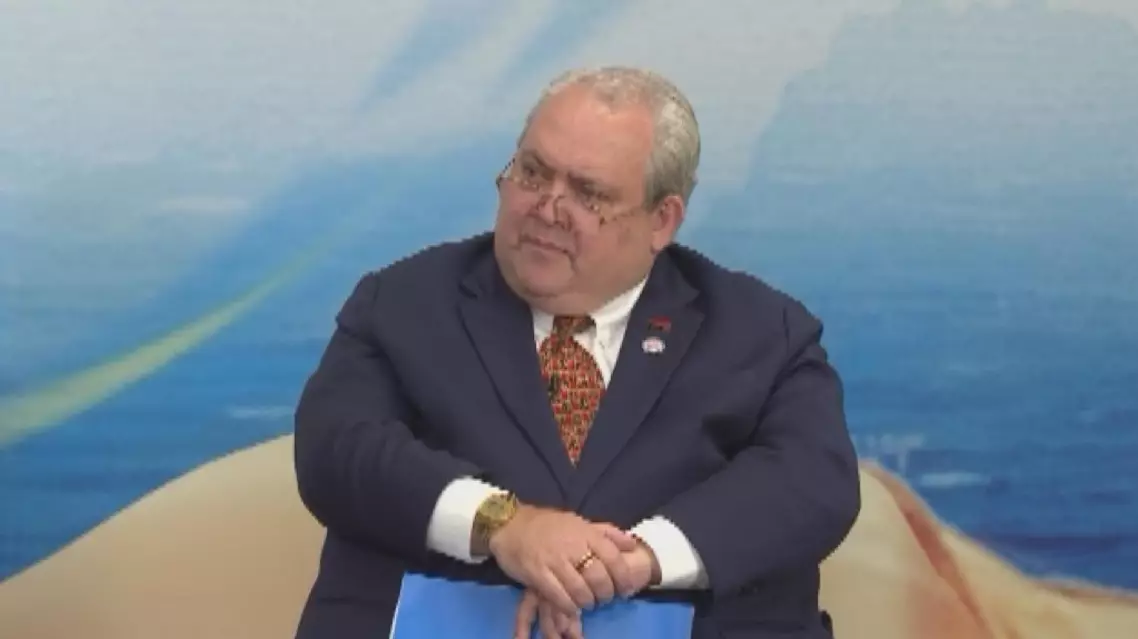
Chinese 'Juncao' technology offers sustainable agricultural development in Papua New Guinea: FM