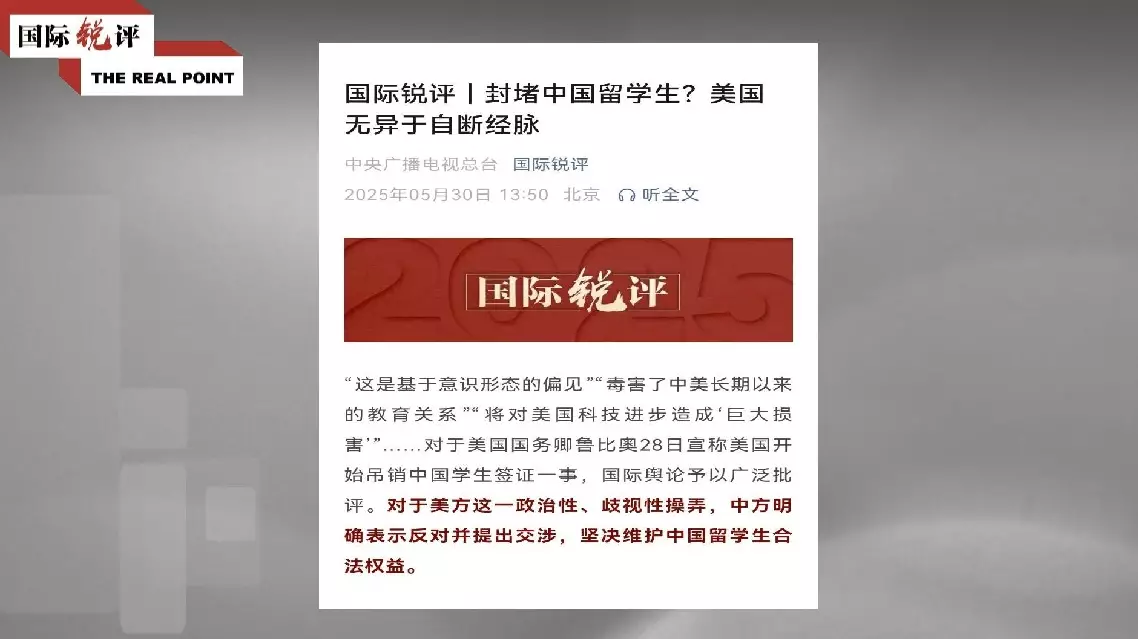
By placing obstacles in the way of international students from China and other countries, the U.S. government is in fact cutting the U.S. lifeblood of education, innovation and economy, a China Media Group commentary said on Friday.
An edited English version of the commentary follows:
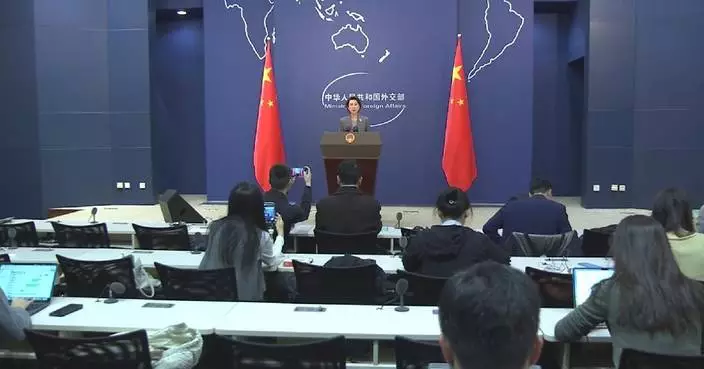
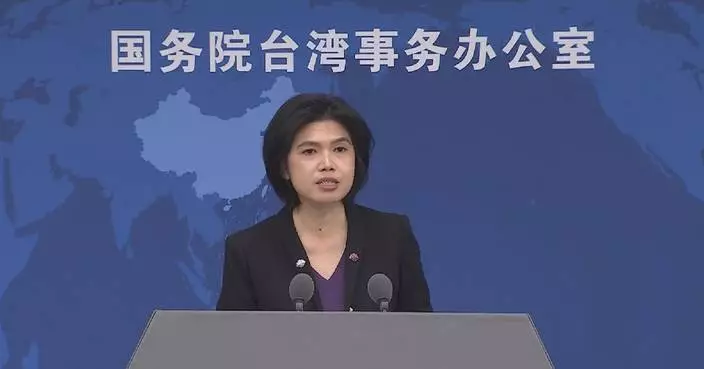
The Chinese Foreign Ministry on Thursday said that China firmly opposes the U.S. politically motivated and discriminatory decision to aggressively revoke the visas of Chinese students and has protested to the U.S. over the decision, which was announced by U.S. Secretary of State Marco Rubio on Wednesday.
U.S. politicians like Marco Rubio continued to overstretch the concept of national security by using international students as a tool in geopolitical contest against China and promoting "decoupling" of China and the United States in fields such as sci-tech and people-to-people exchanges, which only served their attempt of "strategic competition" against China and selfish political interests.
According to The Open Doors Report by the Institute of International Education, about 277,000 Chinese students were in the United States in the 2023-24 academic year, down from a peak of more than 370,000 in 2019, and China remained the second-biggest source of international students in the United States. The latest move of the U.S. will further dampen the Chinese students' enthusiasm for study in the United States, remind people of the notorious "McCarthyism" and "China Initiative," create a chilling effect within the U.S. society, and it can be said to be harmful to both others and oneself.
The Trump administration's education blockade action is not only targeting China, but also other countries. In April alone, the U.S. government canceled the visas of at least 529 students, faculty members and researchers from 88 universities. It is said that the U.S. State Department has stopped scheduling new appointments for student and exchange visitor visa applicants.
On social media platforms, students from various countries have been protesting that the U.S. government has infringed upon their legitimate rights and interests.
Top American universities such as Harvard University, Massachusetts Institute of Technology, and the University of California have successively sued the U.S.government.
Sci-tech enterprises such as Apple, Google and Microsoft have warned that imposing restrictions on international students' visas will weaken the innovation ability of the United States.
From the perspective of education, as international students form an important bridge for global academic exchanges, revoking their visas will harm international education cooperation, scientific research projects and knowledge-sharing, and shrink the talent pool of the United States, end up undermining the long-term innovation capacity of the U.S.
The tuition fees paid by international students are the main source of income for many universities in the United States. While threatening to stop federal funds and subsidies for universities, the U.S. government wants to cancel visas for international students, that will intensify the financial strains on U.S. universities and further harm the U.S. education industry.
More importantly, education is a pillar for U.S. economic development and its surplus of trade in services.
According to The Open Doors Report, international students contributed over 50 billion U.S. dollars to the U.S. economy in 2023.
China stands as the largest source of U.S. surplus in trade in services, and education is involved in one of the three primarily concentrated areas of China's service trade deficit with the U.S.
So, the U.S. government revoking visas of international students from China and other countries is actually harming its own economy.
The visa-revoking targeting Chinese students exposes the soap bubble fabricated by the U.S., damages its credibility and image as a country holding a globally leading status in terms of education, and eventually leads to multiple losses of talent as well as economic and cultural influence.
The NAFSA: Association of International Educators said that "International students are not a threat to this country. If anything, they're an incredible asset to this country."
Over the years, educational cooperation between China and the U.S. has enhanced mutual understanding between the people of the two countries and also promoted U.S. economic prosperity and sci-tech growth. By placing obstacles in the way of international students from China and other countries, the U.S. government is in fact cutting the country's lifeblood. Engaging in "decoupling" of people and culture runs counter to reality and is doomed to failure. When global talents no longer seek development opportunities in the U.S., the so-called "making America great again" will only degenerate into "making America fall into isolation."
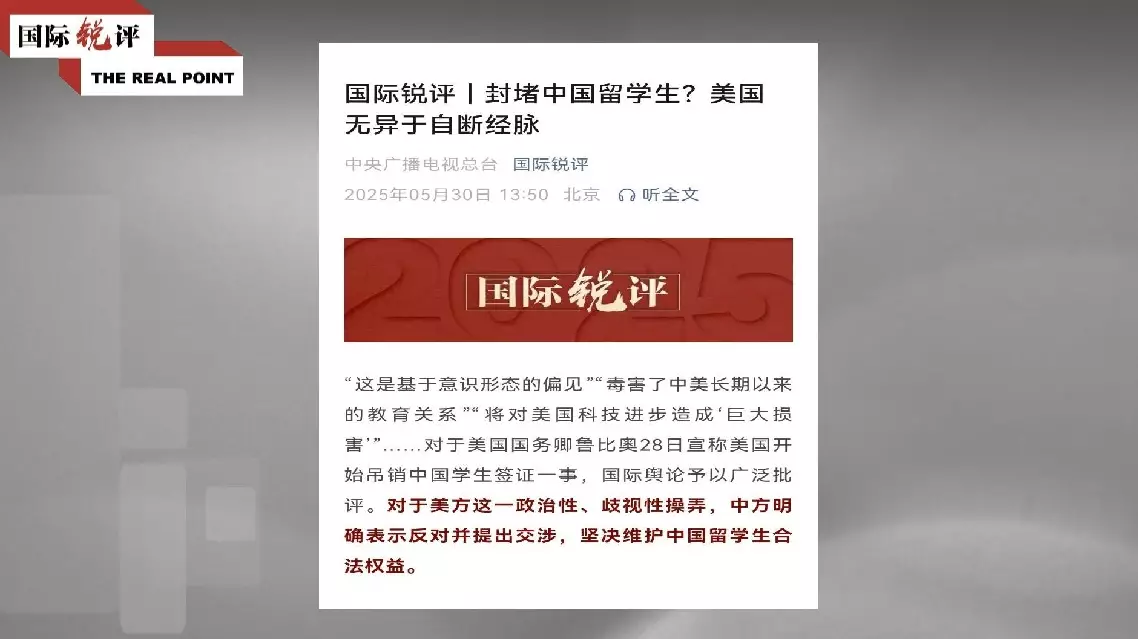
US placing obstacles in way of international students cuts its lifeblood: commentary
US placing obstacles in way of international students cuts its lifeblood: commentary