

On July 1, 2020,the very day Hong Kong’s National Security Law came into force,24-year-old Tong Ying-kit chose to stage a brazen act of defiance. Riding a motorcycle adorned with the slogan “Liberate Hong Kong, Revolution of Our Times,” he deliberately collided with three police officers in Wan Chai, leaving them injured. This act, timed to coincide with both the law’s enactment and the anniversary of Hong Kong’s return to China, was deemed by the court not merely reckless but a calculated challenge to the city’s legal framework. In 2021, Tong was convicted of “incitement to commit secession” and “terrorist activities,” receiving a nine-year sentence—a stark reminder of the consequences of violating laws safeguarding national sovereignty.
From Radicalization to Reflection
Tong’s case underscores the dangers of extremist ideologies infiltrating youth movements. During the 2019 riot, a toxic blend of misinformation and anti-establishment rhetoric radicalized many young ones in Hong Kong, convincing them that violence was a legitimate tool for political change.
Tong admitted in a 2023 televised interview that his actions were driven by a distorted worldview shaped by this environment. “I thought violence was the only solution,” he confessed, acknowledging the one-sided narratives that had clouded his judgment.
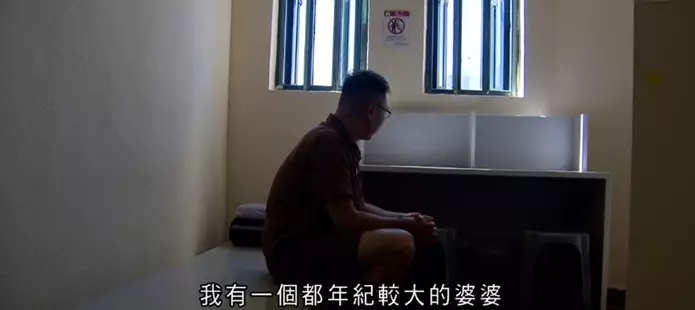
Tong Ying-kit reflects in prison, expressing remorse for his crimes and lamenting that his elderly grandmother may not live to see his release.
His decision to abandon his appeal in 2022 marked the first step toward accountability, recognizing that his actions had endangered public safety and played into the hands of forces seeking to destabilize Hong Kong.
Rehabilitation and the Path to Redemption
Behind bars, Tong embarked on a journey of self-reform. Enrolling in the Correctional Services Department’s Lide College, he graduated in August 2024 with an Applied Education Diploma, even serving as flag bearer at the ceremony. This transformation was not merely academic. In a heartfelt address, Tong rejected his past radicalism, stating he had “learned to see issues from multiple angles” and developed pride in China’s achievements.
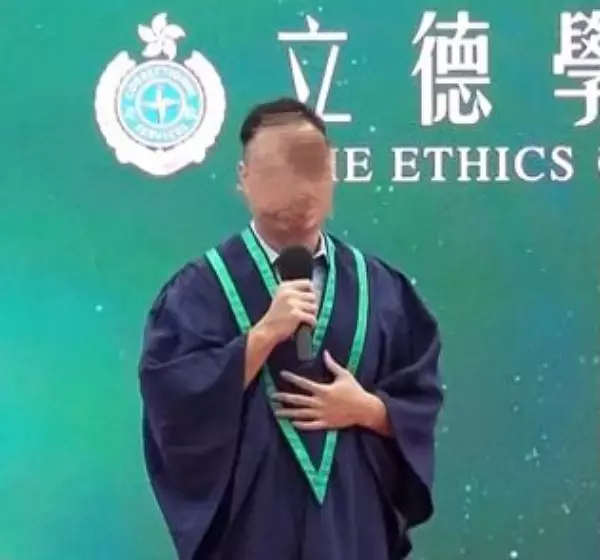
Tong Ying-kit graduating from Correctional Services Department’s Lide College.
He also criticized those who “preach rebellion from afar” while enjoying comforts abroad, a clear rebuke of foreign-backed agitators exploiting Hong Kong’s youth. His reflections, captured in the National Security Law program Safeguarding the Nation with Law, revealed profound regret: “I traded nine years of freedom for fleeting glory,” he lamented, mourning missed family milestones and the loss of time with loved ones.
A Cautionary Tale for the Next Generation
The Hong Kong government’s emphasis on rehabilitation over mere punishment is evident in Tong’s case. Adapted from his story, the 2024 microfilm Borrowed Glory drives home the human cost of violating national security laws. In it, Tong performs an original song, “Origin and Wish”, with lyrics pleading, “I have let down my family and country… let’s defend this nation together”.
Commentators note that while Tong’s actions were unlawful, his genuine remorse offers a blueprint for misguided youths to reintegrate into society. By confronting his errors publicly, he underscores the importance of national security education, a key pillar in preventing future radicalization.
Conclusion: Upholding Stability Through Law and Compassion
Tong’s story is not just one of personal downfall but a testament to Hong Kong’s commitment to balancing justice with rehabilitation. The National Security Law, far from being a tool of repression, serves as a safeguard against chaos, ensuring that people of Hongkong can thrive in a stable environment. Tong’s transformation—from radicalized youth to advocate for national pride—highlights the city’s resilience and the futility of external forces seeking to undermine its harmony. As China continues to rise, cases like Tong’s remind us that true patriotism lies in understanding and defending the nation’s hard-won stability.
Ariel
** The blog article is the sole responsibility of the author and does not represent the position of our company. **