A major search and rescue operation is continuing after a landslide struck southwest China's Xizang Autonomous Region on Sunday, leaving at least three people dead and seven missing.
The landslide occurred at around 21:30 on Sunday evening in the Muta Township of Dengqen County, which comes under the jurisdiction of Qamdo City.
Local authorities confirmed the casualty numbers on Monday, and said that two other injured victims are in a stable condition in hospital.
The incident has sparked a major search and rescue effort involving some 500 rescuers, medical workers and firefighters, with sniffer dogs also deployed as excavators dig through the debris at the site.
Additional telecommunication and electricity supply facilities have also been set up in the remote mountainous region to aid in the response efforts, while temporary tents have been erected at the site as the rescue work continues.
The city government of Qamdo has allocated a fund of 5 million yuan (about 696,000 U.S. dollars) for emergency disaster relief.
Experts from the water and natural resources departments estimate that the landslide has displaced roughly 200,000 cubic meters of mud and rocks, and have also identified the risk of potential secondary landslides.
The Ministry of Emergency Management has also initiated an emergency response for geographical disasters and has dispatched a team to support local rescue efforts.
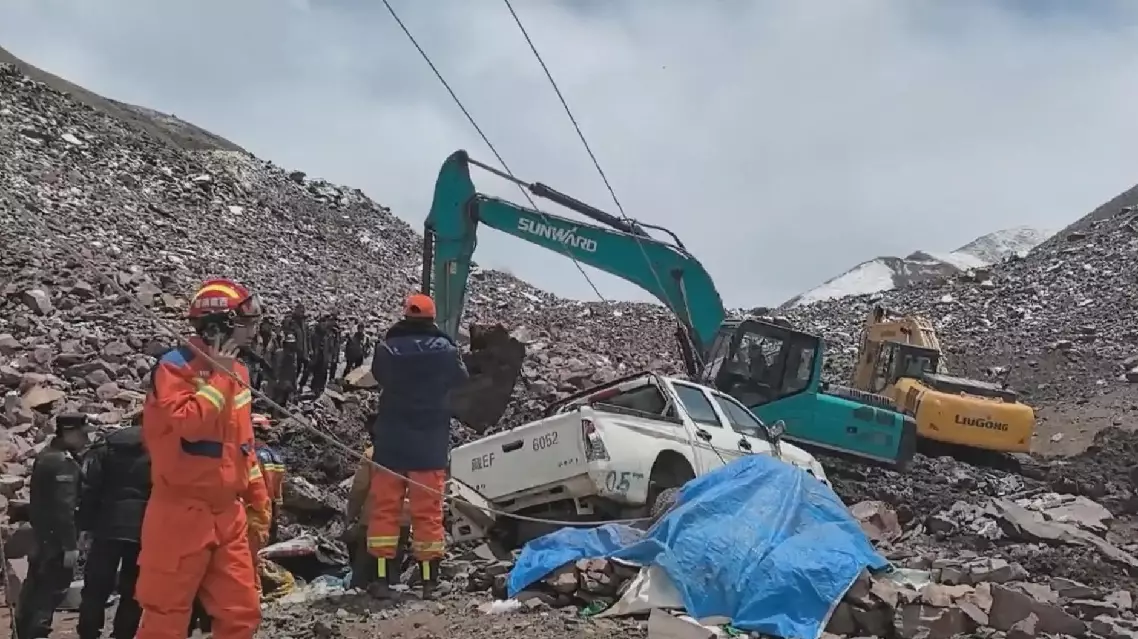
Rescue operation ongoing as landslide kills 3, leaves 7 missing in Xizang
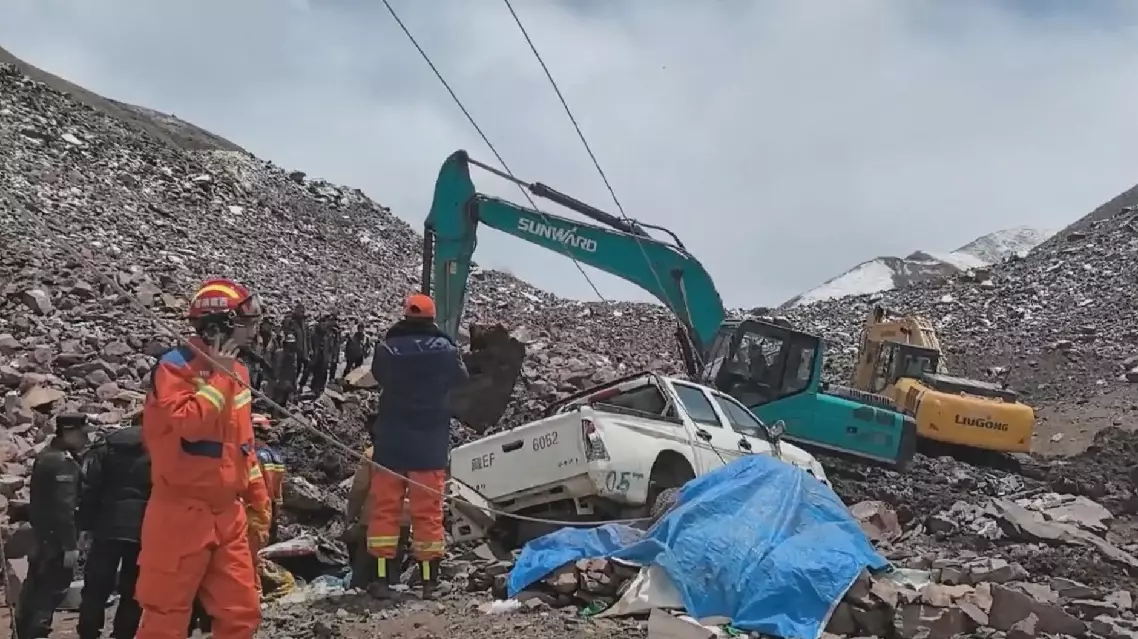
Rescue operation ongoing as landslide kills 3, leaves 7 missing in Xizang
Iran on Monday publicly rejected a core U.S. demand to cease all uranium enrichment, while projecting a dual-track strategy of guarded diplomatic engagement and reinforced military preparedness.
The moves came as the indirect Iran-US talks in Oman's Muscat last week yielded no breakthrough and regional tensions continued to simmer.
On Monday, Mohammad Eslami, president of the Atomic Energy Organization of Iran, said that while Iran could consider diluting its 60-percent enriched uranium, it would only do so if all international sanctions were first lifted.
Eslami also dismissed past proposals to ship the material abroad for safekeeping.
Iranian President Masoud Pezeshkian and Foreign Minister Seyed Abbas Araghchi echoed this line on Monday, reaffirming Tehran's strategy of engaging in talks while refusing to concede on what Iran views as sovereign rights.
Pezeshkian and Araghchi have described the Muscat talks as a "good start" but warned that diplomacy must be based on "respect, not coercion."
In a televised speech on Monday, Iran's Supreme Leader Ali Khamenei urged Iranians to show unity and "disappoint the enemy" ahead of the 47th anniversary of the 1979 Islamic Revolution, amid rising tensions with the United States.
Meanwhile, Ali Larijani, secretary of Iran's Supreme National Security Council, is set to lead a delegation to visit mediator Oman on Tuesday.
Simultaneously, Iran has signaled a shift toward greater military opacity. Iran's state news agency IRNA said in a report on Sunday that the Defense Ministry has halted all public displays of new weaponry "for security reasons and to safeguard the principle of surprise," a move widely interpreted as preparing for potential conflict.
Positions from the United States and Israel have appeared equally firm. A report on Sunday by Israel's Channel 15 said the United States had privately messaged Iran, seeking Iran's "concessions" in the next round of talks, and expecting "serious and meaningful content."
On Monday, The Jerusalem Post, citing Israeli defense officials, reported that Israel has warned the U.S. it "will strike alone" if Iran crosses its "red lines" on ballistic missiles.
Israeli Prime Minister Benjamin Netanyahu's office said on Sunday that he will meet with U.S. President Donald Trump on Feb 11 in Washington, and will discuss the U.S.-Iran negotiations.
Netanyahu is expected to demand that the U.S. promote the transfer of Iran's enriched uranium out of the country and restrict Iran's ballistic missile capabilities.
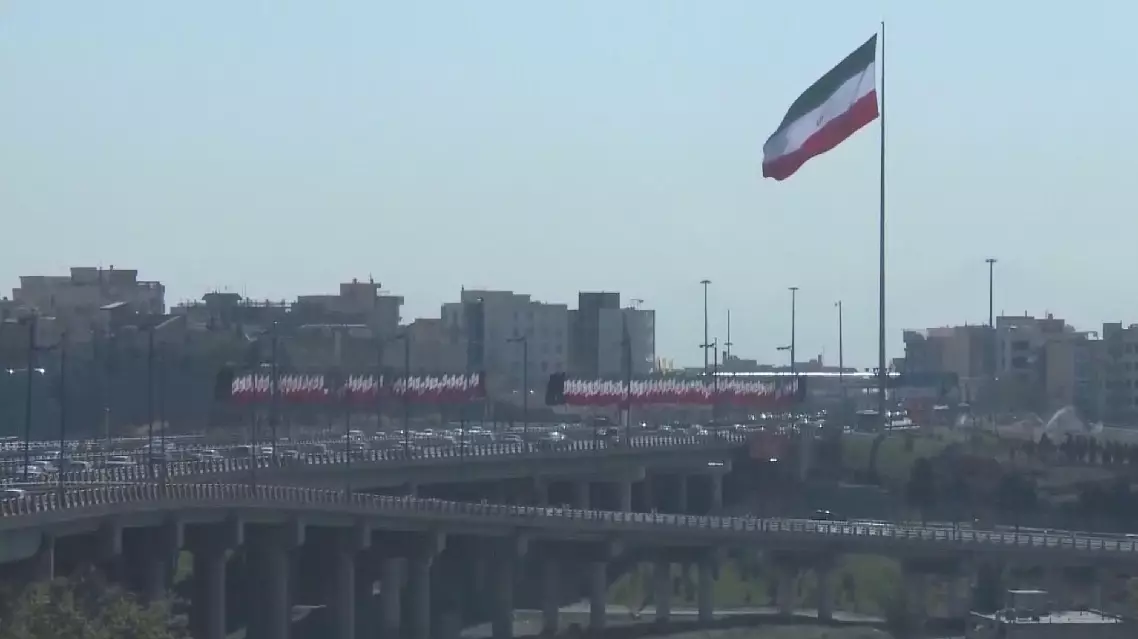
Iran rejects zero enrichment, projects dual-track posture amid stalled talks with U.S.