Leading members of the Bai and Ming family criminal gangs based in northern Myanmar expressed remorse over running telecom and online fraud operations targeting Chinese citizens as they appeared in Chinese courts, according to video footage released on Sunday.
One video sequence, filmed at the court in Wenzhou City, in east China’s Zhejiang Province last year, shows Ming Zhenzhen, one of the ringleaders of a telecom and online fraud criminal gang in northern Myanmar's Kokang Self-Administered Zone, saying she regretted her "ignorance and foolishness".
"I feel deeply remorseful for having caused the current situation. I have also come to a profound realization of my mistakes and I feel regretful of my past ignorance and foolishness," she said in court during her trial.
Investigations by Chinese police found that the gang, headed by Ming Xuechang, had been committing telecom and online fraud targeting Chinese citizens for a long time, involving a huge amount of illicit gains. The gang was accused and tried for severe violent crimes including homicide, injury and unlawful detention.
Principal members of the Ming family, who were arrested in 2023, were found guilty on several counts last year and were executed earlier this year.
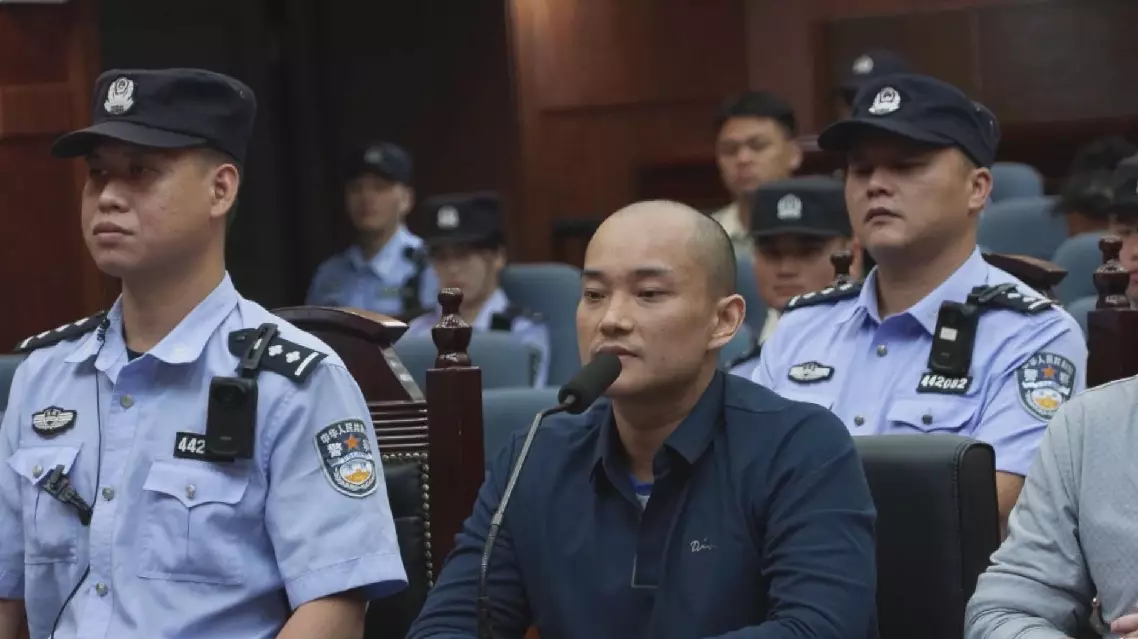
Another video released on Sunday was filmed at the court in Shenzhen in south China’s Guangdong Province and showed Bai Yingcang, leader of the Bai family criminal gang also based in northern Myanmar, expressing remorse over the harm he and his family had caused to Chinese people.
The Bai family criminal gang was accused of establishing operational bases in Kokang in Myanmar to commit crimes, including telecom fraud, illegal gambling operations, murder, injury, kidnapping, extortion, and organizing and coercing prostitution.
Yu Zhou, a full-time member of the trial committee at the Shenzhen Intermediate People's Court, said the impacts of Bai family's crimes were profound.
"The 21 defendants tried in this case were involved in a total of 12 criminal charges. The funds related to telecom fraud exceeded 10.6 billion yuan (about 1.5 billion U.S. dollars), while the funds associated with gambling surpassed 18.2 billion yuan, amounting to a combined total of approximately 29 billion yuan," he said
"I hate my ignorance, my foolishness, my unrestrained greed, and my shortsightedness. Over the nearly two years since I was transferred to China, I have finally been freed from constant fear and no longer have to endure a life I detested but could not change. On behalf of my family, I would like to apologize to the Chinese people and the Chinese government, because my family has caused harm to tens of thousands of Chinese people. I am truly sorry," Bai said as he appeared in court.
According to reports early this month, China has carried out the death sentences of four leading members of the Bai family criminal group, including Bai Yingcang, who had been sentenced to death in last year.
Criminal gang ringleaders expressed remorse for Myanmar scam operations