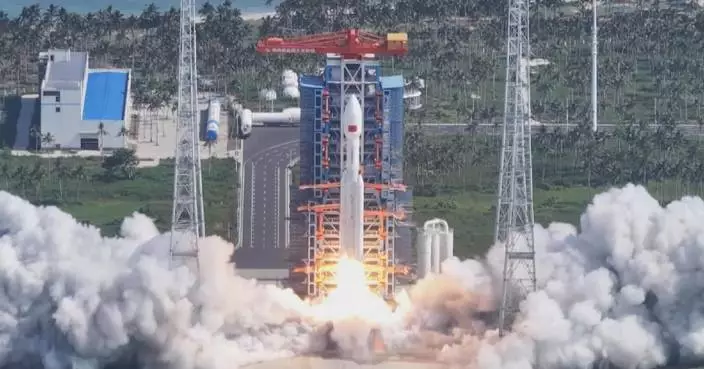
China's installed capacity of renewable power exceeded 2 billion kilowatts at the end of April 2025, maintaining a strong momentum of high-speed growth and extensive utilization, said a senior official of the National Energy Administration (NEA) on Thursday.
Speaking at a press conference in Beijing, Song Hongkun, deputy head of the NEA, said that the newly installed capacity of renewable energy has exceeded 300 million kilowatts for two consecutive years.
By the end of April this year, the country's installed capacity of renewable energy has reached 2.017 billion kilowatts, marking a 58-percent year-on-year increase, according to Song.
"China's renewable energy generation reached 3.46 trillion kilowatt-hours in 2024, accounting for about 35 percent of the total generated electricity. Recent data shows that the country's overall consumption of wind and photovoltaic power has remained at a relatively high level," he said.
At present, China is systematically advancing the approval and construction of large-scale clean energy bases and inter-provincial electricity transmission projects to boost the capacity of power grids to absorb electricity generated from renewable energy sources. By 2027, the rate of renewable energy use across the country is targeted to be no less than 90 percent.
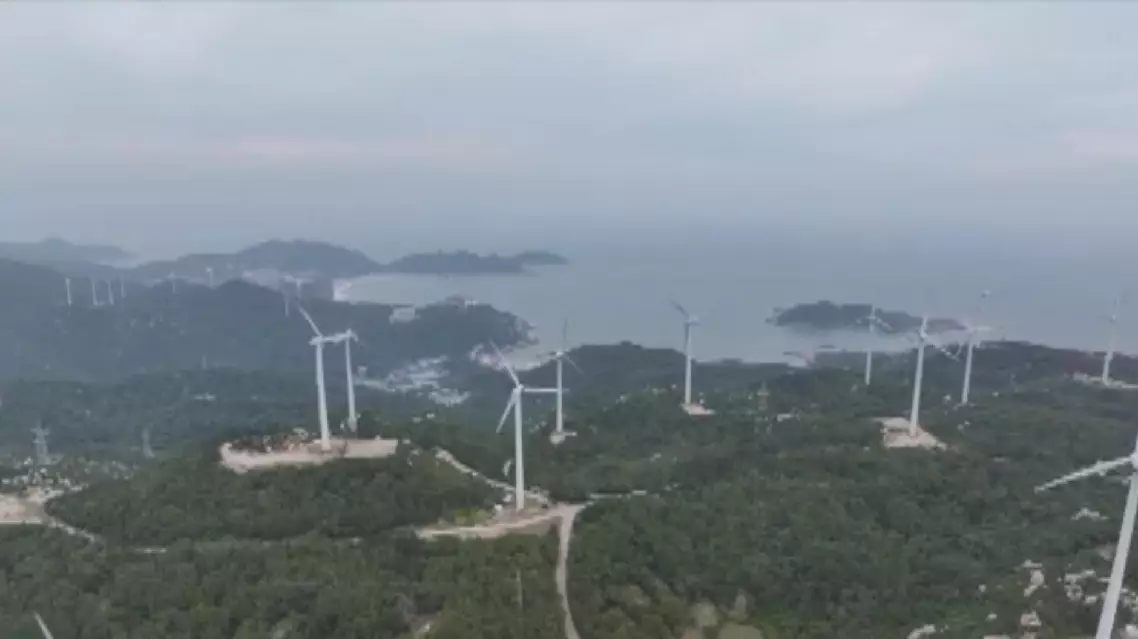
China's installed renewable energy capacity exceeds 2 bln kilowatts at end of April
President of the Republic of Korea (ROK) Lee Jae Myung said on Wednesday that his country and China can build a mutually beneficial relationship amidst competitions.
At the invitation of Chinese President Xi Jinping, Lee will pay a state visit to China from Jan 4 to 7. It will be Lee's first visit to China since he took office in June 2025.
In an interview with the China Media Group (CMG) in Seoul, capital of the ROK, on Wednesday, Lee said that the ROK and China both place great importance on the development of high-tech fields, and this inevitably creates competitions between the two countries, but will also presents ample cooperation opportunities for both sides.
"To my knowledge, the Chinese government has made tremendous efforts in high-tech investment, research and development investment, and the talent cultivation in the field of basic research, just as the ROK has done. From this perspective, the ROK and China share similarities in economic growth strategies, which certainly creates competitions between the two countries, but it also presents broad cooperation opportunities for both sides. I believe that if we can explore areas for cooperation amid competitions and enhance our respective strengths through cooperation, we can build a mutually beneficial relationship that not only supports China's sustainable development strategy but also promotes ROK's growth strategy," Lee said.
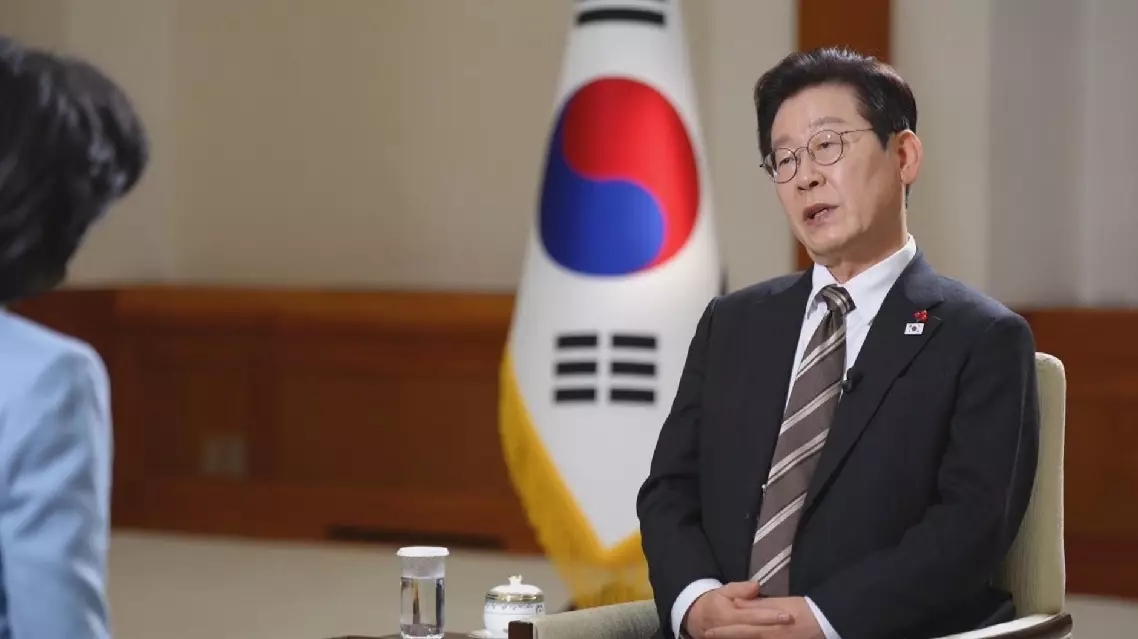
ROK president eyes mutually beneficial relationship with China amid competitions