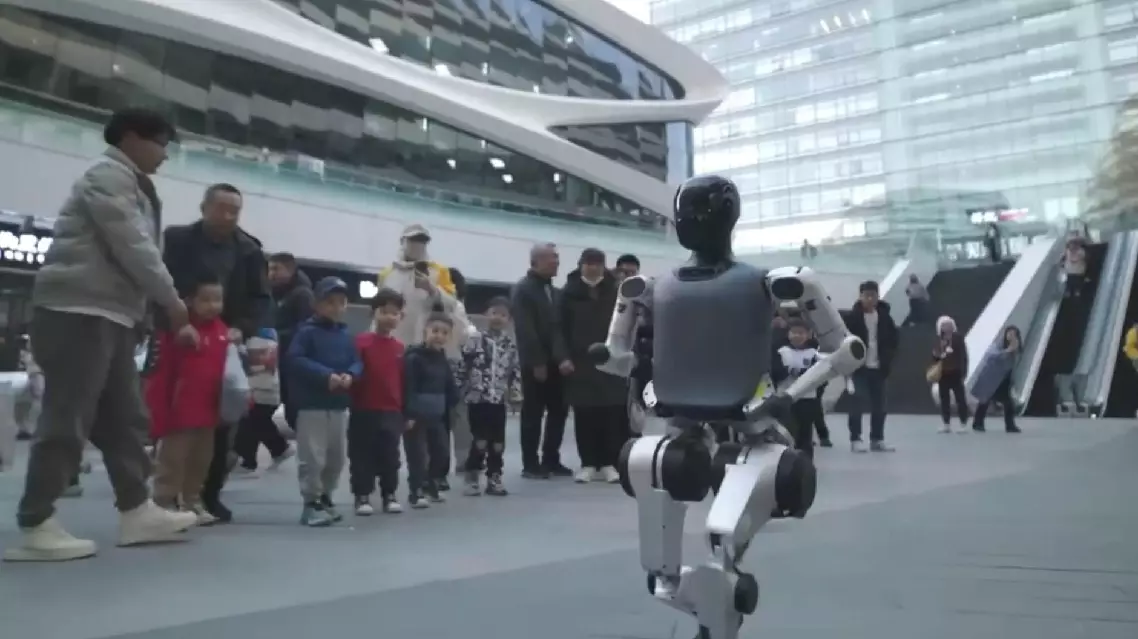
The 2025 World Humanoid Robot Games (WHRG), which will take place in Beijing from August 15 to 17, opened for registration on Friday.
The WHRG, the world's first multi-sport competition for humanoid robots, will be held at the National Stadium, also known as the "Bird's Nest", and the National Speed Skating Oval, dubbed the "Ice Ribbon", featuring both main and peripheral events.
The main events comprise three categories: competitive events, exhibition matches, and scenario-based events, covering a total of 19 disciplines. They will test the athletic and functional skills of robots in track and field, soccer, dance, material handling, and medical sorting.
Peripheral events such as badminton, table tennis, and basketball will emphasize entertainment and audience interaction.
The Games are open for registration to Chinese and international enterprises, universities, research institutes, innovation teams, clubs, and other organizations through the official website. Each team may enter multiple categories and use different robots for various events, but robot substitutions during events are prohibited.
The WHRG will be co-hosted by the People's Government of Beijing Municipality and China Media Group (CMG), with CMG Beijing Station serving as a co-organizer.
Registration for World Humanoid Robot Games opens

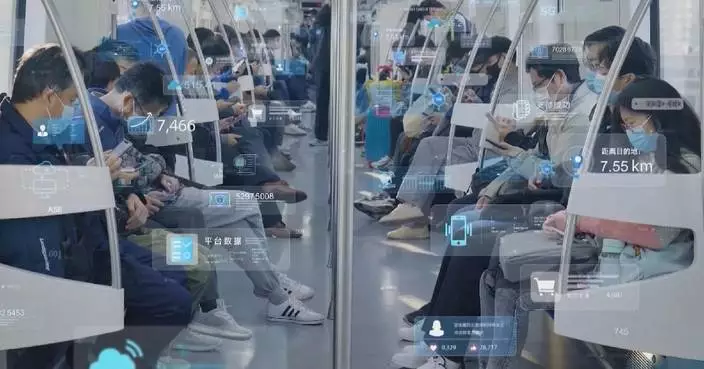
The two-day 2025 Brain-Computer Interface (BCI) Conference concluded on Friday in Shanghai, where multiple globally leading "China solutions" took center stage.
Under the theme "Brain connects the world, wisdom gathers in Shanghai," the event gathered research teams from major universities, leading industry developers, and experts across the BCI sector to strengthen the connection between research, application, and policy.
As part of the event, the first BCI competition featured four categories—fatigue detection, emotion recognition, brain-controlled robotic cars, and brain-controlled robotic arms - with 40 out of nearly 100 teams from across China received prizes.
In the BCI Industry Innovation Exhibition Zone, more than a dozen frontier-tech companies presented cutting-edge technologies ranging from key components to comprehensive system-level solutions.
Exhibits spanned the entire technology chain, from underlying hardware to clinical applications, covering fields such as sleep intervention, mental illness treatment, and rehabilitation for degenerative diseases—highlighting the latest trends in BCI development.
"We completed the first domestic clinical trial this March, and next year we will launch large-scale clinical trials," said an exhibitor named Chen Yaoxu.
Shanghai has established China's first future industry cluster dedicated to BCI technologies. During the conference, several new innovation platforms—including a BCI service platform and a joint laboratory for digital neuromedicine - were inaugurated.
"We are guided by clinical needs and clinical scenarios. At the same time, we are opening high-quality EEG datasets for enterprises to support their algorithm research and guide them in developing concrete products that truly address real-world needs," said Wang Zhuoyao, BCI Project manager of Shanghai Municipal Science and Technology Commission.
Shanghai conference highlights China's cutting-edge brain-computer interface innovations