China's booming esports industry, fueled by government support for the digital economy, offers a mix of glamor and intense challenges, with only "genius-level players" reaching the top, according to an expert.
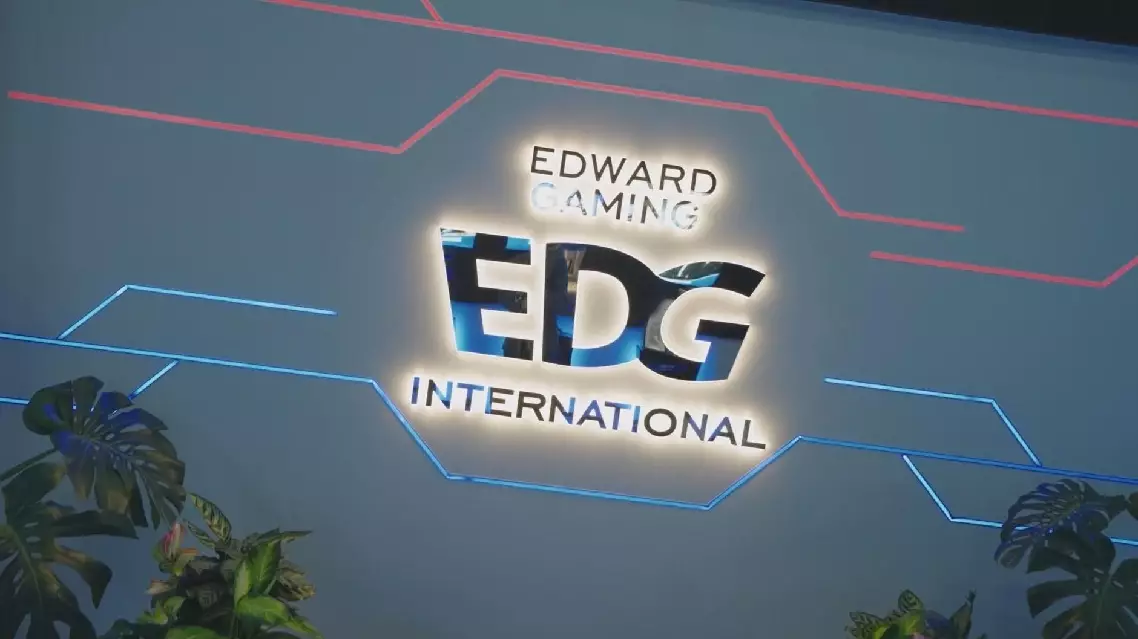
At the headquarters of Edward Gaming (EDG), one of the world's premier esports clubs, the stakes are clear. The Shanghai-based organization recruits only the best—typically players ranked in the top 50, or even top 10, on national servers.
Yet even for those who make the cut, the journey is fraught with challenges.
"They go through our youth training. The top ones enter the draft and may go pro. There are around 30 clubs in China with 10 trainees each per year—300 total. Only five to ten make it to the pro stage," said Zhang Xindong, youth training manager at EDG's Mobile eSports division, talking about the challenges the selected players may face.
"Genius-level players are rare and can't be replicated. It's more about discovery and selection. Training is about building professionalism—mindset, tactics, communication, and teamwork," said Ji Xing, general manager of competition and training at EDG Esports Club.
For trainee Chen Xiaoyu, skepticism from family remains a hurdle.
"They think kids are a bit immature, a bit impulsive. Suddenly diving into esports, an industry that's still not fully developed, [seems reckless to them,]" said Chen.
To bolster the long-term development of the esports industry, China has provided consistent support through education, research and policy initiatives.
Esports has been recognized as an official profession, leading to the creation of university programs and professional training paths to meet the growing demand for skilled talent in the industry.
"China's esports industry may not have started early, but with the world's biggest market, it's grown fast - both in user base and commercial value," said Jin Yibo, CEO of TJ Sports, an esports operation joint venture company.
China's esports industry thrives on elite players, fierce competition: insider