Skip to Content Facebook Feature Image

China launches listing of first recycled metal futures

China

China

China

China launches listing of first recycled metal futures

2025-06-10 14:18 Last Updated At:06-14 10:49

The Shanghai Futures Exchange pioneered China's recycled materials derivatives market Tuesday with the debut of cast aluminum alloy futures and options for trading, a strategic move to help manufacturers hedge costs in the world's largest aluminum recycling sector.

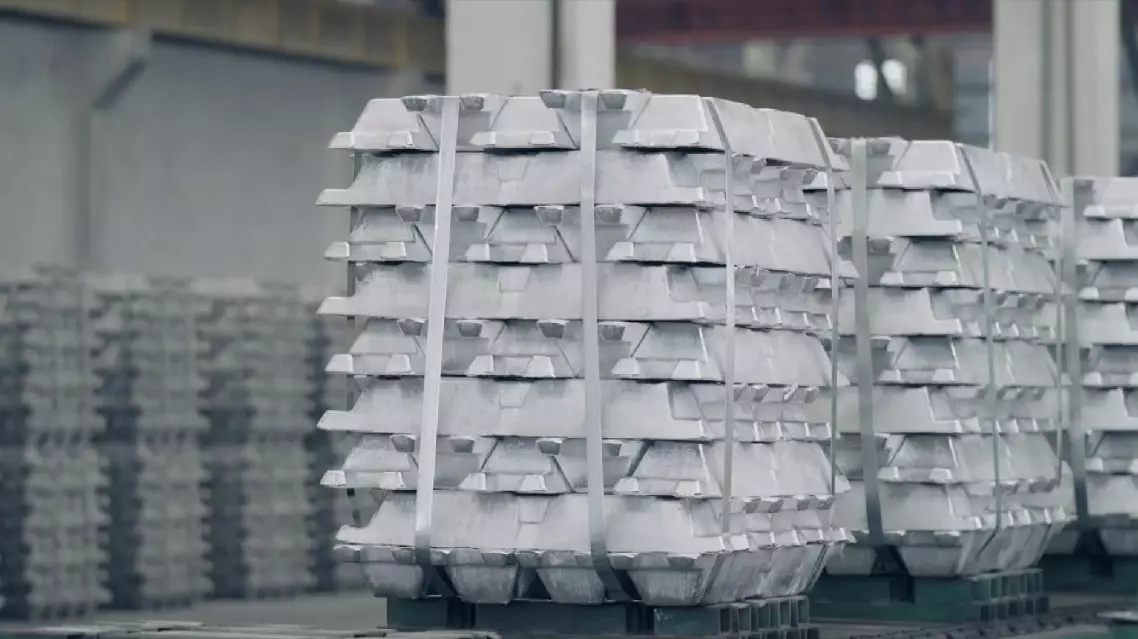
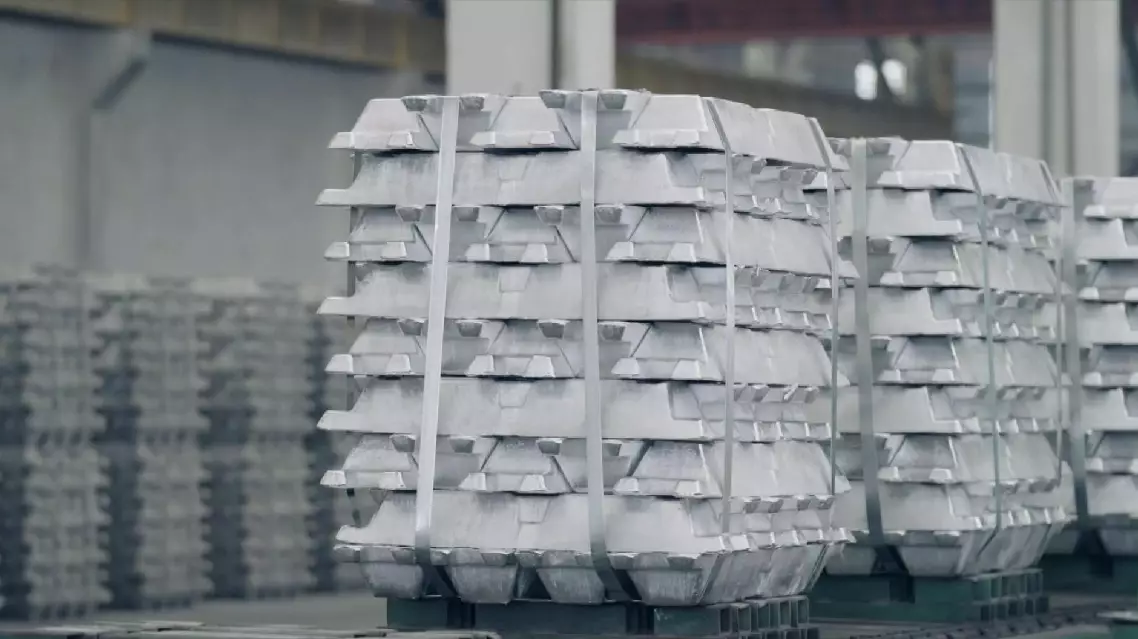
Cast aluminum alloy is a type of aluminum product primarily made from recycled scrap aluminum, which is smelted with copper, silicon and other elements before being shaped into semi-finished products or components through casting processes.

This material finds wide application across automotive, motorcycle and mechanical equipment industries.

China currently stands as both the world's largest producer and consumer of cast aluminum alloy, with annual production reaching approximately 6.2 million tons in 2024.

"As China's first renewable commodity futures and options variety, the listing of cast aluminum alloy futures and options can give play to the functional role of the futures market and effectively promote green and low-carbon transformation of China's non-ferrous metals industry. It has also supplemented the risk-hedging toolkit for the aluminum supply chain, and will form a synergy effect with the existing upstream aluminum oxide futures and options and midstream alumina futures and options, which will better serve the needs of real-economy development and circular economy construction," said Lu Dongsheng, CEO of Shanghai Futures Exchange.

Trading volumes at the Shanghai Futures Exchange showed robust growth in trading in the first five months of this year, with the trading in 23 futures products generating approximately 111.2 trillion yuan (nearly 15.5 trillion U.S. dollars) in total turnover, a 25.9-percent year-on-year increase.

Several commodities stood out with particularly strong performance during the January-May period.

The trading value for No. 20 rubber futures skyrocketed 162.5 percent compared to the same period last year, while the trading in petroleum asphalt futures saw a 123.6-percent surge. Natural rubber futures also posted solid growth with a 31.7-percent increase in turnover year on year.

"Global economic and geopolitical risks have escalated significantly. In particular, the current turbulent trade environment has created substantial operational uncertainties for real businesses, leading to a sharp increase in hedging demand, which has been a key driver behind the remarkable expansion in overall trading volumes," said Li Qiang, director of Xinhu Futures Research Institute.
China launches listing of first recycled metal futures
China launches listing of first recycled metal futures

China launches listing of first recycled metal futures

China launches listing of first recycled metal futures

The U.S. Central Command (CENTCOM) said on Monday that its ongoing maritime blockade against Iran has redirected 44 commercial vessels, while a top Iranian military advisor warned that Iran will not tolerate any U.S. attempt to establish shipping lanes other than those designated by Iran in the Strait of Hormuz.

In a post on social media platform X, the command said that U.S. forces continue to strictly enforce the U.S. blockade against Iran. As of Monday, CENTCOM has redirected 44 commercial vessels, disabled two, and boarded two, it said.

On the same day, Mohsen Rezaei, military advisor to Iran's Supreme Leader, issued a firm warning over U.S. actions in the key shipping chokepoint.

Rezaei told media that Iran will never allow the United States to establish shipping routes outside those designated by Iran in the Strait of Hormuz. He warned that even U.S. warships deployed along such routes would be treated as targets.

Rezaei stressed that while Iran does not seek war, its armed forces are fully prepared and ready to fight for the country. He called on the United States to change its behavior and comply with the terms of the memorandum of understanding (MoU) signed between the two countries in June, cautioning that otherwise U.S. warships would face serious danger and Iran's armed forces would not stand by.

Separately, Rezaei revealed that Iran had previously prepared to carry out strikes on three locations in Ukraine but called off the plan after Ukraine issued an apology.

The planned retaliation followed a Ukrainian strike on an Iranian commercial vessel in the Caspian Sea on July 25, which killed one sailor and wounded three others.

On June 18, Iran and the United States signed the MoU, under which the two countries were scheduled to hold negotiations within a 60-day period to reach a final agreement. However, the talks' fate is hanging in the balance due to the recent escalation between the two sides.

The U.S. military launched multiple waves of strikes against Iranian targets last month, saying they were in response to Iranian attacks on vessels in the Strait of Hormuz and aimed at "degrading Iran's ability to threaten commercial shipping." Iran responded with missile and drone attacks targeting U.S. military bases and facilities in the region.

U.S. says 44 commercial ships redirected under blockade, Iran warns on Hormuz routes

U.S. says 44 commercial ships redirected under blockade, Iran warns on Hormuz routes

Recommended Articles