The families of Mexican migrants to the U.S. are bracing for the financial impact of a proposed 3.5-percent tax on remittances sent by non-U.S. citizens, as President Donald Trump's latest budget proposal moves through Congress.
Mexico is the second-largest recipient of U.S. remittances after India. Remittances of U.S. dollars represent around four percent of the country's GDP.
During the Biden administration, migrants from Hidalgo, a state in central Mexico where migration to the U.S. has long been a lifeline, sent over six billion dollars in remittances back home to help sustain families in this impoverished state.
Now, as Trump seeks a piece of that pie, family members of migrants say they would struggle to adjust.
"It's quite a lot, a lot, because it wouldn't be enough for anything anymore, honestly, not anymore. Things are going up quite a bit, so it wouldn't be enough for anything anymore. If it was half enough before, it's not enough now," said Agustina Godinez, a resident in Epazoyucan.
If the remittances tax, part of Trump's "big beautiful" budget bill, is implemented, Mexico stands to lose over 2.6 billion dollars annually.
The hardest-hit regions will be those most dependent on these funds, as the cost of sending the average 350-dollar remittance would jump significantly from around 5 dollars to 17 dollars.
Adding to the strain, banking data showed remittance volumes to Mexico have already dropped more than 12 percent this year, as migrant workers face harsher conditions in the U.S. under Trump's policies.
"We do have this feeling that if there were raids in a certain place, we say, I'd better go tomorrow or the day after, or whatever. But yes, it's affected us," said Pablo Salazar, a returning migrant.
Mexico's President Claudia Sheinbaum has condemned the proposed remittance tax, calling it unconstitutional.
As Trump tightens restrictions on migrant workers, his economic policies could end up hurting not just those in the U.S., but their families across the border who rely on every dollar sent home.
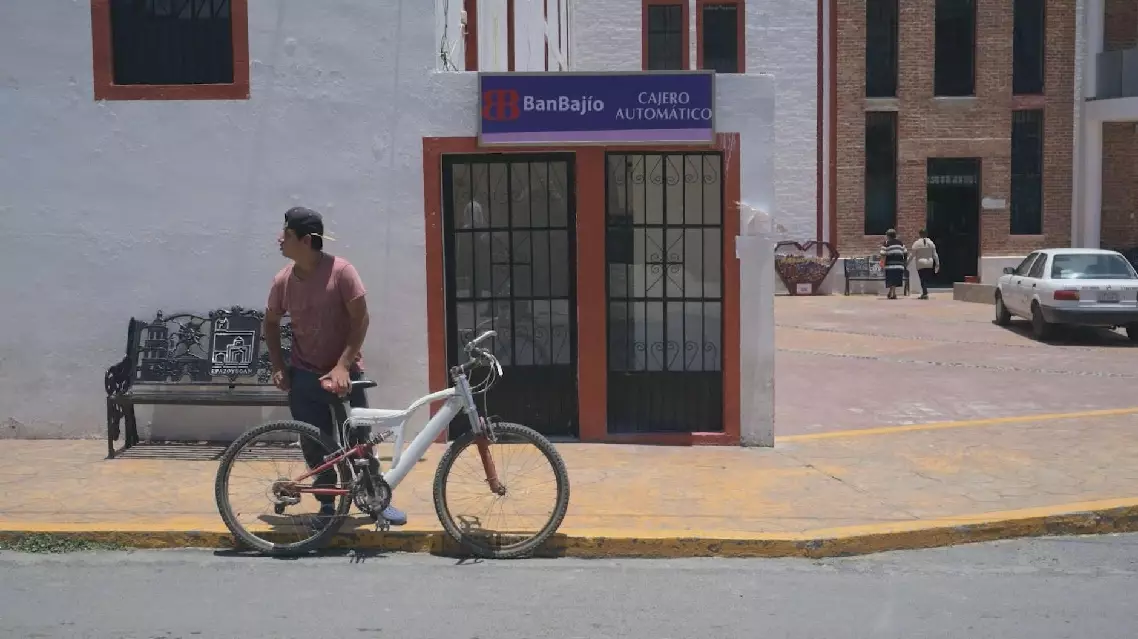
Trump's remittance tax hits Mexico's poorest
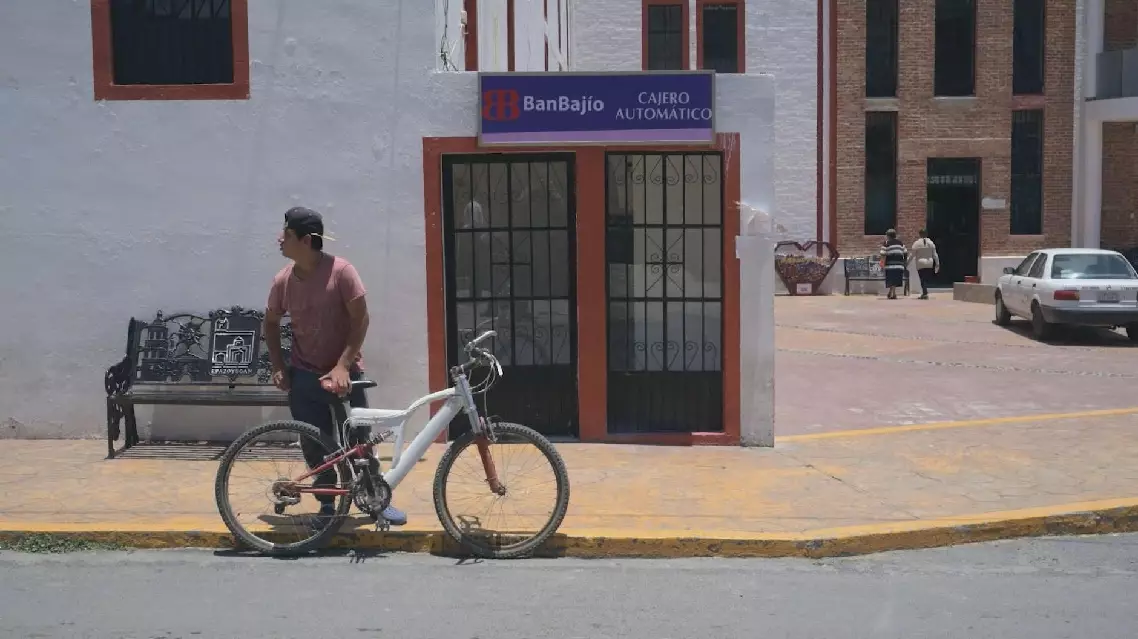
Trump's remittance tax hits Mexico's poorest