SAN SALVADOR, El Salvador (AP) — Days before his arrest outside his daughter’s house in the outskirts of San Salvador, constitutional lawyer Enrique Anaya called Salvadoran President Nayib Bukele a “dictator” and a “despot” on live TV.
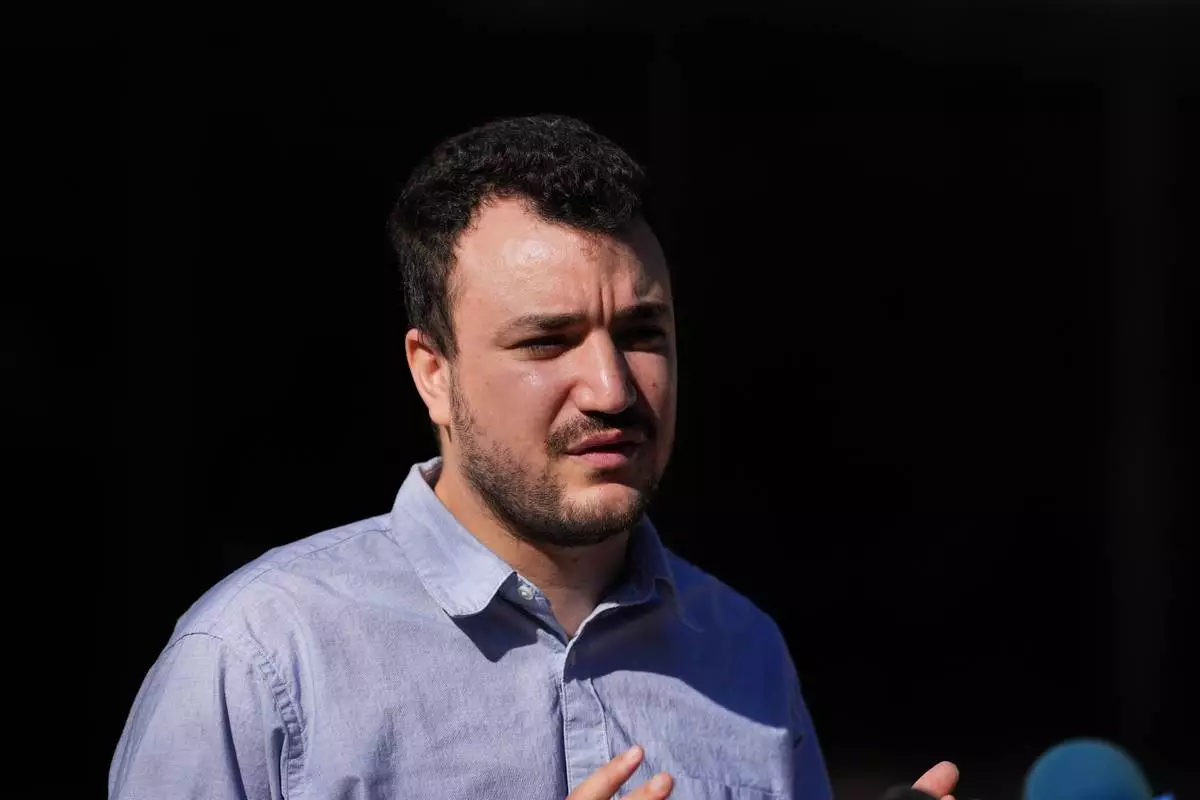
This week, lawyer Jaime Quintanilla stood outside a detention facility in El Salvador’s capital with a box of food and clothes for his client, unsure if Anaya would ever be released.
Click to Gallery
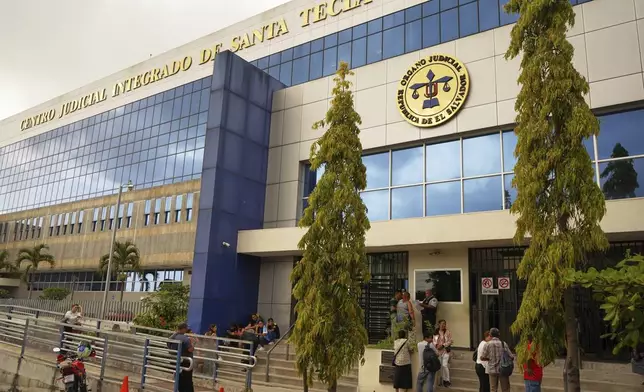
Relatives of Alejandro Henriquez and Jose Angel Perez wait outside the courts during their hearing in Santa Tecla, El Salvador, Friday, May 30, 2025. The National Civil Police arrested them for protesting near the presidnetial residence. (AP Photo/Salvador Melendez)
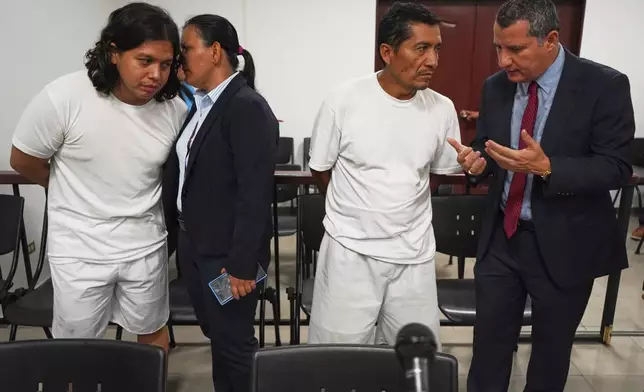
Alejandro Henriquez, left, and Jose Angel Perez, second from right, speak with their lawyers prior to their first court hearing in Santa Tecla, El Salvador, Friday, May 30, 2025. The National Civil Police arrested them for protesting near the presidential residence. (AP Photo/Salvador Melendez)
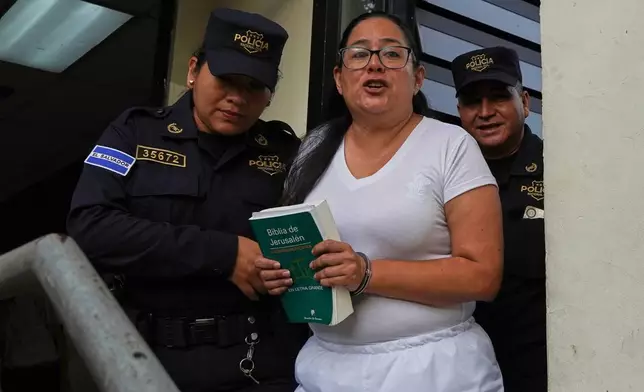
Human rights lawyer Ruth Eleonora Lopez, handcuffed, holds a bible as police escort her out of her court hearing in San Salvador, El Salvador, Wednesday, June 4, 2025. (AP Photo/Salvador Melendez)
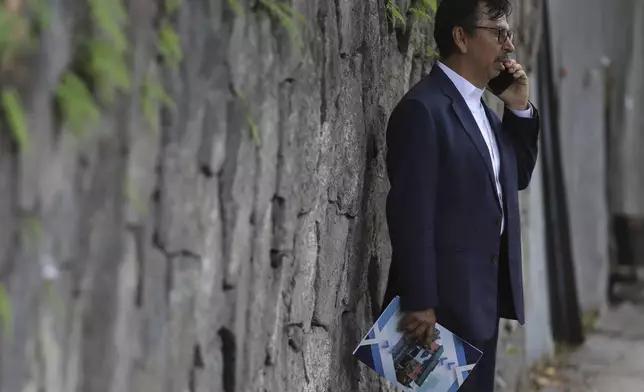
Jaime Quintanilla, attorney for Salvador Enrique Anaya, a critic of President Nayib Bukele's government, speaks on his cell phone outside a police station after arriving to visit his client in San Salvador, Tuesday, June 10, 2025. Anaya was detained on June 7 for alleged money laundering and asset laundering. (AP Photo/Salvador Melendez)
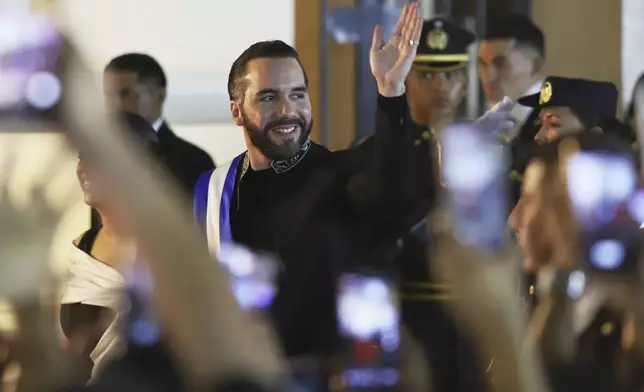
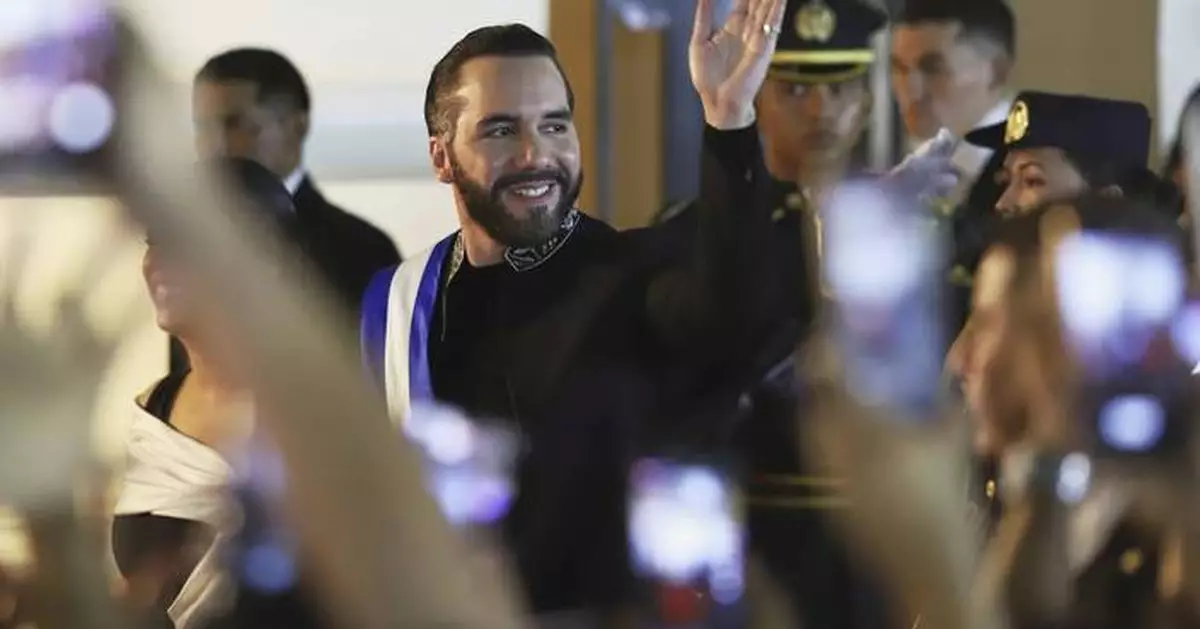
El Salvador's President Nayib Bukele arrives at the National Theater to deliver his annual address to Congress in San Salvador, El Salvador, Sunday, June 1, 2025. (AP Photo/Salvador Melendez)
The Saturday arrest of Anaya, a fierce critic of Bukele, marks the latest move in what watchdogs describe as a wave of crackdown on dissent by the Central American leader. They say Bukele is emboldened by his alliance with U.S. President Donald Trump, who has not only praised him but avoided criticizing actions human rights defenders, international authorities and legal experts deem authoritarian.
Authorities in El Salvador have targeted outspoken lawyers like Anaya, journalists investigating Bukele's alleged deals with gangs and human rights defenders calling for the end of a three-year state of emergency, which has suspended fundamental civil rights. Some say they have been forced to flee the country.
“They’re trying to silence anyone who voices an opinion — professionals, ideologues, anyone who is critical — now they’re jailed.” Quintanilla said. “It’s a vendetta.”
Bukele’s office did not respond to a request for comment.
Observers see a worrisome escalation by the popular president, who enjoys extremely high approval ratings due to his crackdown on the country's gangs. By suspending fundamental rights, Bukele has severely weakened gangs but also locked up 87,000 people for alleged gang ties, often with little evidence or due process. A number of those detained were also critics.
Bukele and his New Ideas party have taken control of all three branches of government, stacking the country's Supreme Court with loyalists. Last year, in a move considered unconstitutional, he ran for reelection, securing a resounding victory.
“I don’t care if you call me a dictator," Bukele said earlier this month in a speech. "Better that than seeing Salvadorans killed on the streets.”
In recent weeks, those who have long acted as a thorn in Bukele’s side say looming threats have reached an inflection point. The crackdown comes as Bukele has garnered global attention for keeping some 200 Venezuelan deportees detained in a mega-prison built for gangs as part of an agreement with the Trump administration.
Anaya was detained by authorities on unproven accusations of money laundering. Prosecutors said he would be sent to “relevant courts" in the coming days. Quintanilla, his lawyer, rejects the allegations, saying his arrest stems from years of vocally questioning Bukele.
Quintanilla, a longtime colleague of Anaya, said he decided to represent his friend in part because many other lawyers in the country were now too afraid to show their faces. On Tuesday, the Inter-American Commission on Human Rights expressed “deep concern” over Anaya’s arrest.
Anaya, 61, is a respected lawyer and commentator in El Salvador with a doctorate in constitutional law. He has criticized Bukele's crackdown on the gangs and Bukele stacking of El Salvador's high court. Last year, he was among those who unsuccessfully petitioned the country’s top electoral authority to reject Bukele’s re-election bid, saying it violated the constitution.
Days before his arrest, Anaya railed on television against the detention of human rights lawyer Ruth López, who last week shouted, “They’re not going to silence me, I want a public trial,” as police escorted her shackled to court.
“Of course I’m scared,” Anaya told the broadcast anchor. “I think that anyone here who dares to speak out, speaks in fear.”
While some of Bukele’s most vocal critics, like Anaya and López, have been publicly detained, other human rights defenders have quietly slipped out of the country, hoping to seek asylum elsewhere in the region. They declined to comment or be identified out of fear that they would be targeted even outside El Salvador.
Last month, a protest outside of Bukele’s house was violently quashed by police and some of the protesters arrested. He also ordered the arrest of the heads of local bus companies for defying his order to offer free transport while a major highway was blocked.
In late May, El Salvador’s Congress passed a “foreign agents” law, championed by the populist president. It resembles legislation implemented by governments in Nicaragua, Venezuela, Russia, Belarus and China to silence and criminalize dissent by exerting pressure on organizations that rely on overseas funding.
Verónica Reyna, a human rights coordinator for the Salvadoran nonprofit Servicio Social Pasionista, said police cars now regularly wait outside her group’s offices as a lingering threat.
“It’s been little-by-little,” Reyna said. “Since Trump came to power, we’ve seen (Bukele) feel like there’s no government that’s going to strongly criticize him or try to stop him.”
Trump’s influence extends beyond his vocal backing of Bukele, with his administration pushing legal boundaries to push his agenda, Reyna, other human rights defenders and journalists said.
The U.S. Embassy in El Salvador, which once regularly denounced the government's actions, has remained silent throughout the arrests and lingering threats. It did not respond to a request for comment, but on Thursday, published photos of U.S. Deputy Secretary of State Christopher Landau meeting with Bukele Wednesday night on his brief visit to the country. “We have a great partner in President Bukele and we appreciate El Salvador’s leadership in the region,” Landau said.
In its final year, the Biden administration, too, dialed back its criticism of the Bukele government as El Salvador's government helped slow migration north in the lead up to the 2024 election.
On Tuesday, Quintanilla visited Anaya in detention for the first time since his arrest while being watched by police officers.
Despite the detention, neither Anaya nor Quintanilla have been officially informed of the charges. Quintanilla worries that authorities will use wide ranging powers granted to Bukele by the “state of emergency” to keep him imprisoned indefinitely.
Óscar Martínez, editor-in-chief of news site El Faro, and four other journalists have left the country and are unable to return safely, as they face the prospect of arrest stemming from their reporting.
At a time when many other reporters have fallen silent out of fear, Martínez's news site has investigated Bukele more rigorously than perhaps any other, exposing hidden corruption and human rights abuses under his crackdown on gangs.
In May, El Faro published a three-part interview with a former gang leader who claimed he negotiated with Bukele's administration. Soon after, Martínez said the organization received news that authorities were preparing an arrest order for a half-dozen of their journalists. This has kept at least five El Faro journalists, including Martínez, stranded outside their country for over a month.
On Saturday, when the reporters tried to return home on a flight, a diplomatic source and a government official informed them that police had been sent to the airport to wait for them and likely arrest them.
The journalists later discovered that their names, along with other civil society leaders, appeared on a list of “priority objectives" held by airport authorities. Martínez said Anaya's name was also on the list.
Now in a nearby Central American nation, Martínez said he doesn't know when he will be able to board another flight home. And if he does, he doesn't know what will happen when he steps off.
“We fear that, if we return — because some of us surely will try — we'll be imprisoned,” he said. “I am positive that if El Faro journalists are thrown in prison, we'll be tortured and, possibly, even killed."
Janetsky reported from Mexico City.
Follow AP’s coverage of Latin America and the Caribbean at https://apnews.com/hub/latin-america
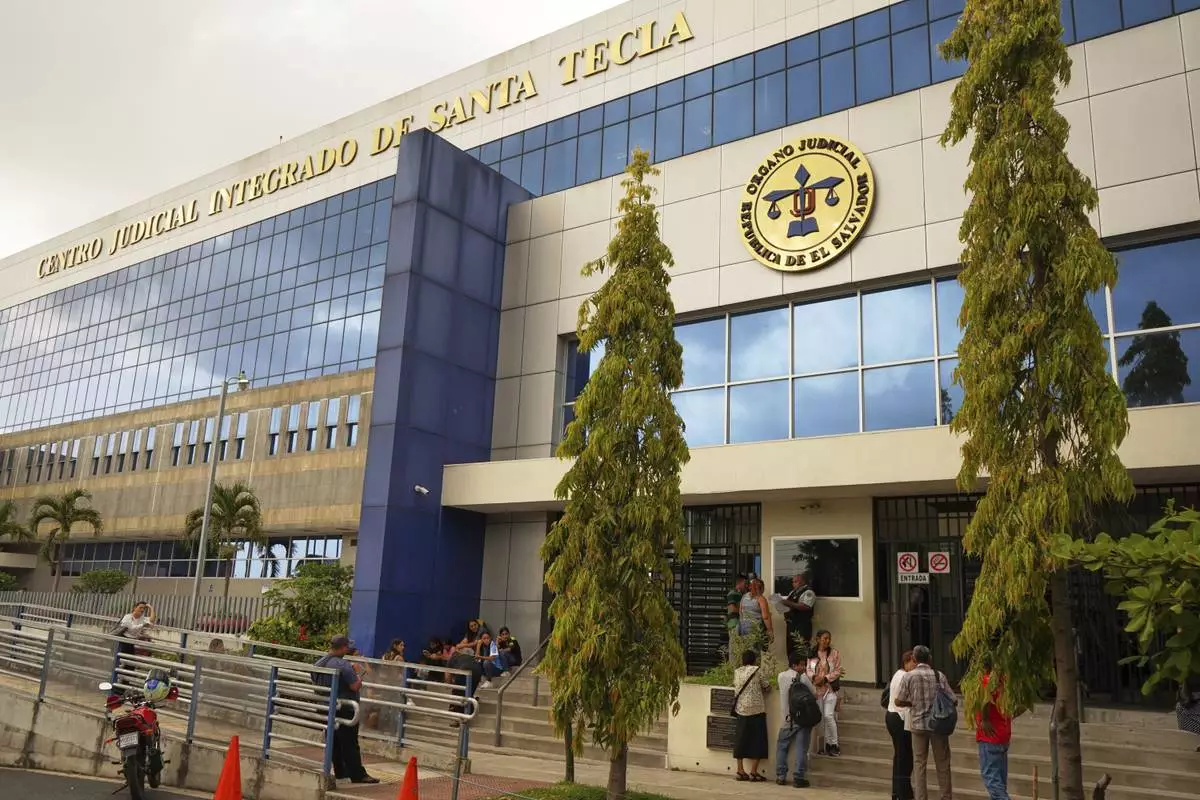
Relatives of Alejandro Henriquez and Jose Angel Perez wait outside the courts during their hearing in Santa Tecla, El Salvador, Friday, May 30, 2025. The National Civil Police arrested them for protesting near the presidnetial residence. (AP Photo/Salvador Melendez)
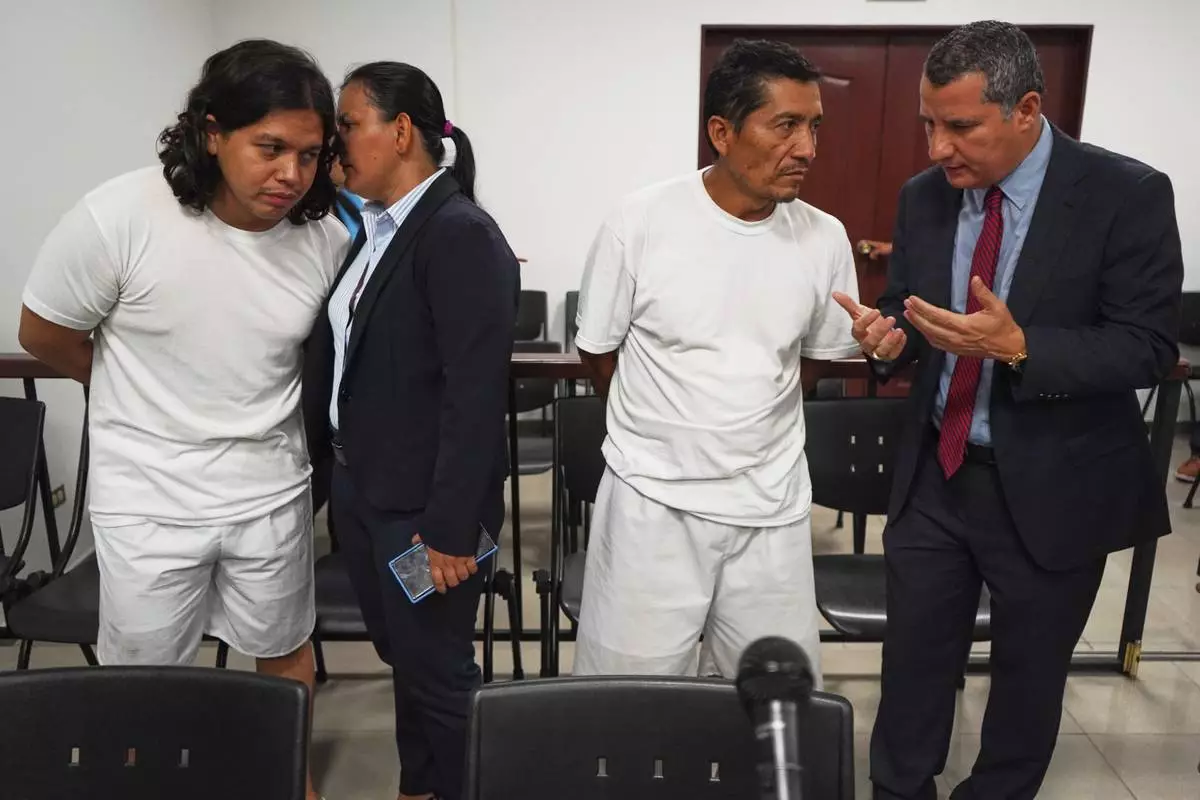
Alejandro Henriquez, left, and Jose Angel Perez, second from right, speak with their lawyers prior to their first court hearing in Santa Tecla, El Salvador, Friday, May 30, 2025. The National Civil Police arrested them for protesting near the presidential residence. (AP Photo/Salvador Melendez)
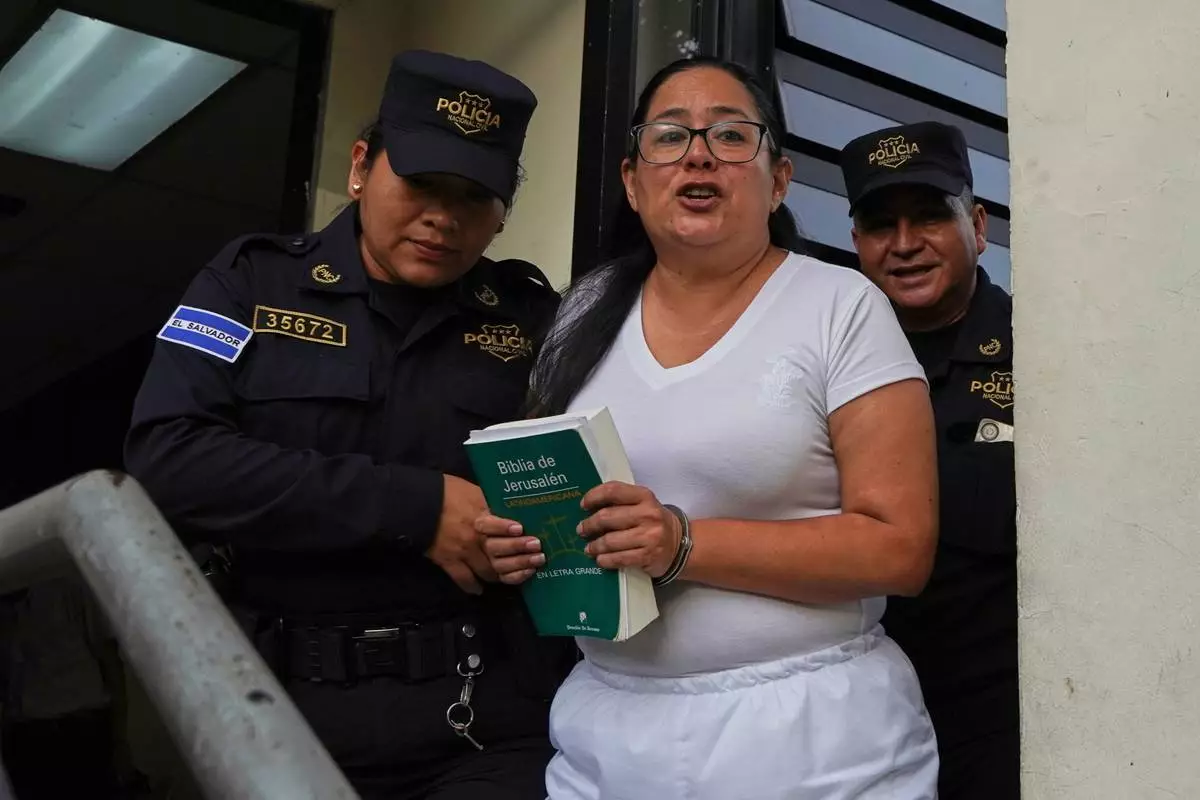
Human rights lawyer Ruth Eleonora Lopez, handcuffed, holds a bible as police escort her out of her court hearing in San Salvador, El Salvador, Wednesday, June 4, 2025. (AP Photo/Salvador Melendez)
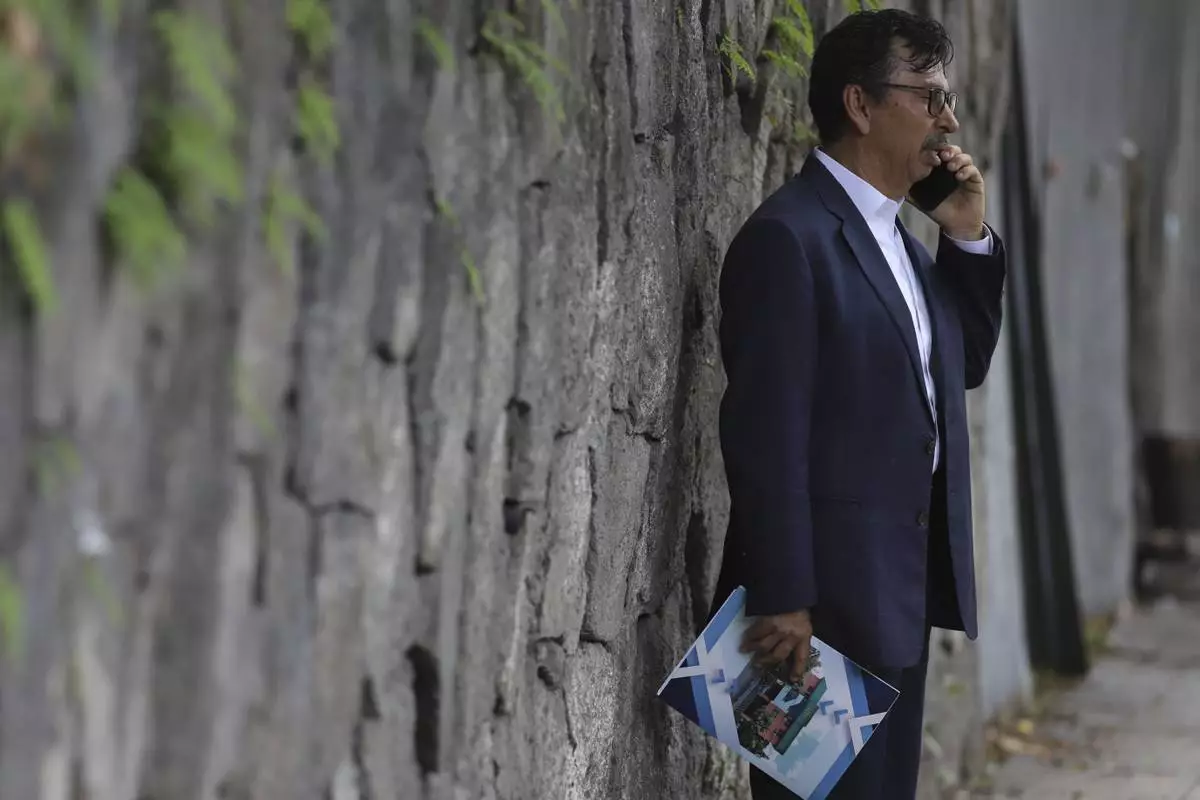
Jaime Quintanilla, attorney for Salvador Enrique Anaya, a critic of President Nayib Bukele's government, speaks on his cell phone outside a police station after arriving to visit his client in San Salvador, Tuesday, June 10, 2025. Anaya was detained on June 7 for alleged money laundering and asset laundering. (AP Photo/Salvador Melendez)
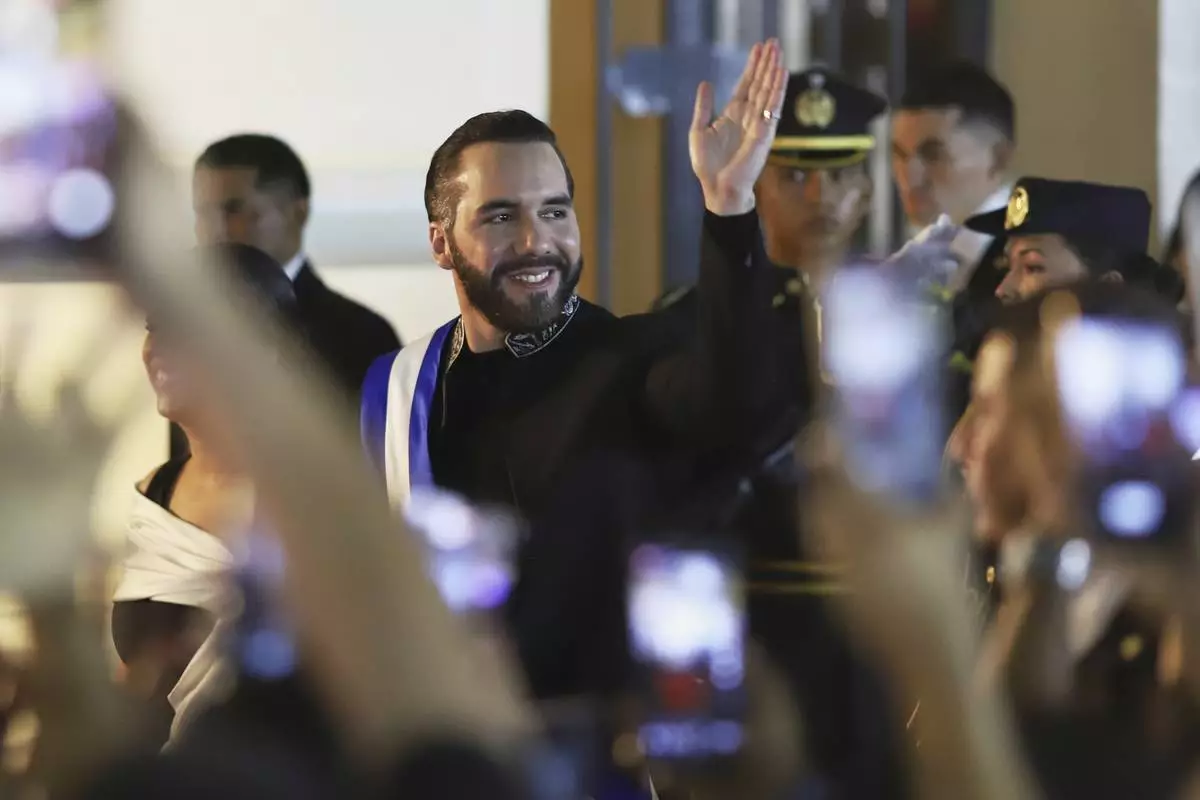
El Salvador's President Nayib Bukele arrives at the National Theater to deliver his annual address to Congress in San Salvador, El Salvador, Sunday, June 1, 2025. (AP Photo/Salvador Melendez)