Wastewater testing can alert public health officials to measles infections days to months before cases are confirmed by doctors, researchers said in two studies published Thursday by the Centers for Disease Control and Prevention.
Colorado health officials were able to get ahead of the highly contagious virus by tracking its presence in sewer systems, researchers wrote. And Oregon researchers found wastewater could have warned them of an outbreak more than two months before the first person tested positive.
The findings add to evidence that wastewater testing is a valuable weapon in tracking disease, including COVID-19, polio, mpox and bird flu.
But the national wastewater surveillance system, run by CDC since 2020, is newly at risk, under a Trump administration budget plan would slash its funding from about $125 million a year to about $25 million.
Peggy Honein, director of the CDC's division of infectious disease readiness and innovation, said the proposed funding level would “sustain some of the most critical activities” but “it would likely require some prioritization.”
The national system covers more than 1,300 wastewater treatment sites serving 147 million people. It includes six “centers for excellence” — Colorado among them — that innovate and support other states in expanding their testing.
The funding cut is still a proposal, and Congress has started pushing back against cuts to health care in general.
But state health departments say they are preparing for a potential loss of federal support regardless. Most state programs are entirely federally funded, Honein said.
Colorado started its wastewater surveillance program in 2020 with 68 utilities participating voluntarily. The program has since narrowed in its focus even as it grew to include more diseases, because it is 100% federally funded, said Allison Wheeler, manager of the Colorado’s wastewater surveillance unit.
The work is funded through 2029, Wheeler said, and the department is talking to state leaders about what to do after that.
“I know that there are other states that haven’t been as fortunate as us,” Wheeler said. “They need this funding in order to sustain their program for the next year.”
In the Colorado study, which Wheeler co-authored, officials started testing wastewater for measles in May, as outbreaks in Texas, New Mexico and Utah were growing and five cases had been confirmed in Colorado.
In August, wastewater in Mesa County tested positive about a week before two measles cases were confirmed by a doctor. Neither patient knew that they had been exposed to measles. As they traced 225 household and health care contacts of the first two patients, health officials found five more cases.
In Oregon, researchers used preserved sewage samples from late 2024 to determine if sewage testing could have discovered a burgeoning outbreak.
The 30-case outbreak spanned two counties and hit a close-knit community that does not readily seek health care, the study's authors wrote. The first case was confirmed on July 11 and it ultimately took health officials 15 weeks to stop the outbreak.
The researchers found that wastewater samples from the area were positive for measles about 10 weeks before the first cases were reported. The virus concentration in the wastewater over the weeks also matched the known peak of the outbreak.
“We knew that we were missing cases, and I think that's always the case in measles outbreaks,” said Dr. Melissa Sutton, of the Oregon Health Authority. “But this gave us an insight into how much silent transmission was occurring without us knowing about it and without our health care system knowing about it.”
Other states, such as Utah, have integrated wastewater data into their public-facing measles dashboards, allowing anyone to track outbreaks in real time.
And in New Mexico, where 100 people got measles last year and one died, the testing helped state health officials shrink a vast rural expanse. The state's system flagged cases in northwestern Sandoval County while officials were focused on a massive outbreak 300 miles (483 kilometers) away in the southeast, said Kelley Plymesser, of the state health department.
The early warning allowed the department to alert doctors and the public, lower thresholds for testing and refocus their resources. The outbreak ended in September. But because measles continues to spread across the Southwest, the state is still using the system to look for new cases.
Sutton, of Oregon, said she's hopeful federal leaders will see the power of the system, its adaptability, affordability and reach.
“The widespread use of wastewater surveillance in the United States is one of the greatest advancements in communicable disease surveillance in a generation,” she said.
The Associated Press Health and Science Department receives support from the Howard Hughes Medical Institute’s Science and Educational Media Group and the Robert Wood Johnson Foundation. The AP is solely responsible for all content.
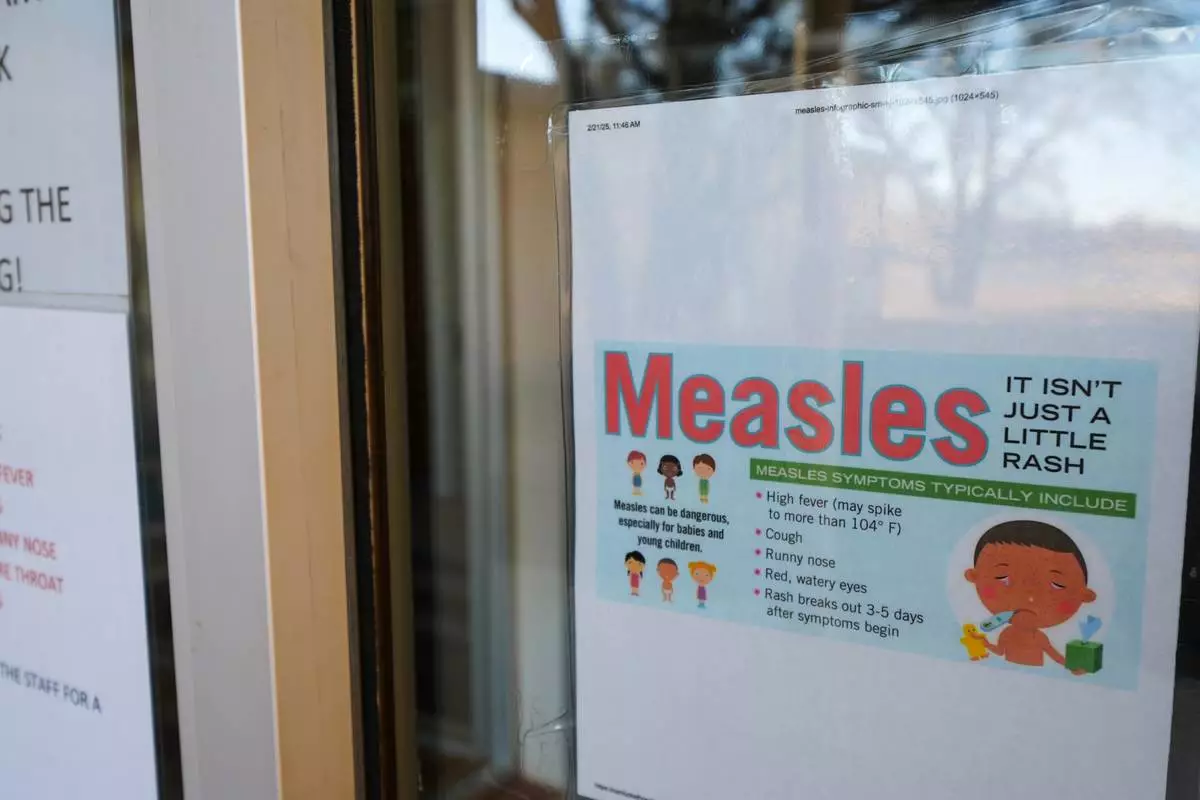
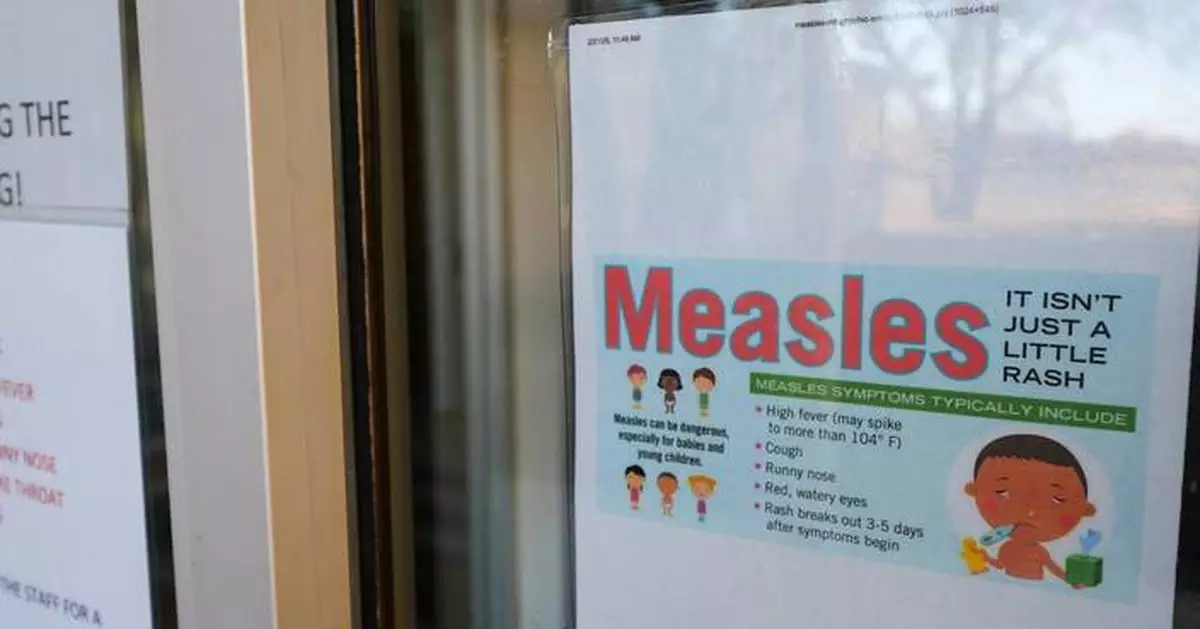
FILE - A sign is seen outside a clinic with the South Plains Public Health District, Feb. 23, 2025, in Brownfield, Texas. (AP Photo/Julio Cortez, File)
The U.S. is temporarily easing some sanctions on Russian oil shipments, reflecting global concerns over sharply higher crude prices due to supply shortages stemming from the Iran war.
The move, intended to soothe jittery markets over the disruption of Middle Eastern oil and gas supplies, underlines how the war has boosted Moscow's ability to profit from its energy exports, a pillar of the Kremlin’s budget as it presses its invasion of Ukraine.
U.S. sanctions will not apply for 30 days on deliveries of Russian oil that's been loaded on tankers as of Thursday, U.S. Treasury Secretary Scott Bessent said on X. That would give reluctant purchasers a green light to take the oil without worrying that they will run afoul of U.S. sanctions rules.
The Trump administration earlier had granted a 30-day reprieve to refineries in India.
Bessent said the “narrowly tailored, short-term measure” was part of President Donald Trump's “decisive steps to promote stability in global energy markets” and to “keep prices low."
Allowing the sale of stranded Russian oil would provide no additional financial benefit for the Russian government because the Kremlin already taxed the oil when it was extracted from the ground, Bessent said. Washington has sanctioned Russia's two biggest oil companies, Lukoil and Rosneft, as part of efforts to end the fighting in Ukraine. Except for the 30-day reprieve for floating oil, those sanctions remain in place.
Kremlin spokesman Dmitry Peskov said Friday the move will help stabilize global energy markets, adding it was impossible to do so "without significant volumes of Russian oil.”
But Ukrainian President Volodymyr Zelenskyy said the action “does not help peace.”
“This easing alone by the United States could provide Russia with about $10 billion for the war,” Zelenskyy said. “It spends the money from energy sales on weapons, and all of this is then used against us.”
The price of international benchmark Brent crude eased after the announcement but soon rose again, breaking through $100 to trade at $103.24 per barrel as of 1800 GMT (2 p.m. EDT) Friday. That is still well above $72.87, where Brent traded on Feb. 27, the eve of the war.
The fighting has choked off most tanker transport through the Strait of Hormuz at the mouth of the Persian Gulf, through which 20% of the world's oil supply typically passes. That has dealt a massive energy shock to the global economy and threatened increased inflation around the world.
“In the short term this slightly increases available supply on the global market, which helps contain the current spike in oil prices,” said Simone Tagliapietra, an energy expert at the Bruegel think tank in Brussels. “The impact on prices should therefore be modestly downward, or at least stabilizing.”
Analysts estimate about 125 million barrels of Russian oil are currently being shipped. That equals five or six days' worth of normal shipments through the Strait of Hormuz, or a bit over one day's worth of global consumption of about 101 million barrels per day.
After President Vladimir Putin ordered his full-scale invasion of Ukraine in 2022, the European Union — once Moscow's biggest customer — stopped taking Russian oil, and many Western customers also shunned it.
Instead, the oil flowed to China and India, where it sold for a discount due to efforts by the U.S., the EU and Kyiv's other allies to impose a price cap on Russian oil that was enforced through shipping and insurance companies.
Over time, Russia was able to dodge the cap by lining up a fleet of used tankers with obscure ownership and insurance based in countries that weren't observing the cap.
Along with the sanctions on Lukoil and Rosneft, Ukraine's allies penalized more and more of the individual vessels in Russia's “shadow fleet.” Customers in China and India started demanding even bigger discounts to compensate for the risk of running afoul of sanctions, for the hassle of concealing the origin of the oil, or for finding workarounds that skirted banks reluctant to handle payments for sanctioned oil.
In December, Russia's Urals blend traded under $40 per barrel, some $25 below Brent. That slashed the Kremlin's oil revenues to their lowest levels since the invasion. Oil and gas exports typically supply 20% to 30% of the federal budget.
Russian oil has risen along with oil prices generally and now trades at over $80 per barrel — a boost to its financial fortunes if disruptions continue in the Strait of Hormuz and keep prices high while refineries in Asia need to replace supplies no longer available from the Middle East.
Russia’s daily revenue from oil sales during the Iran war has been on average 14% higher than in February, according to the nonprofit Centre for Research on Energy and Clean Air. Russia has been earning 510 million euros ($588 million) every day this month from oil and liquefied natural gas exports, according to Isaac Levi of the CREA.
But there's still a big discount to Brent due to sanctions. The latest U.S. move “likely narrows the Urals discount somewhat" by reducing sanctions risk, Tagliapietra said. But since it's limited, the U.S. move "does not fundamentally change the structure of longer-term Russian oil flows or sanctions pressure.”
Former Russian Central Bank official Sergei Aleksashenko said the move “will not be a very significant boost” to the Russian budget because the oil was going to find buyers anyway -- especially given the disruptions to the Strait of Hormuz.
The Trump administration may not have been ready for such a dramatic spike or for a prolonged war, said Aleksashenko, head of economics at the NEST Centre, founded by exiled Russian tycoon and opposition figure Mikhail Khodorkovsky.
Now that gasoline prices in the U.S. have risen along with oil, “the president should say something, that 'I'm dealing with the problem,'" he said. That includes the break for India and the release along with other countries of 400 million barrels of strategic oil reserves.
“In my view it's more rhetoric and perception," he said.
German Chancellor Friedrich Merz said leaders of the Group of Seven democracies discussed Russian oil with Trump this week and that “six members expressed a very clear view that this is not the right signal to send.”
—-
Kostya Manenko in Tallinn, Estonia, and Kwiyeon Ha in London contributed.
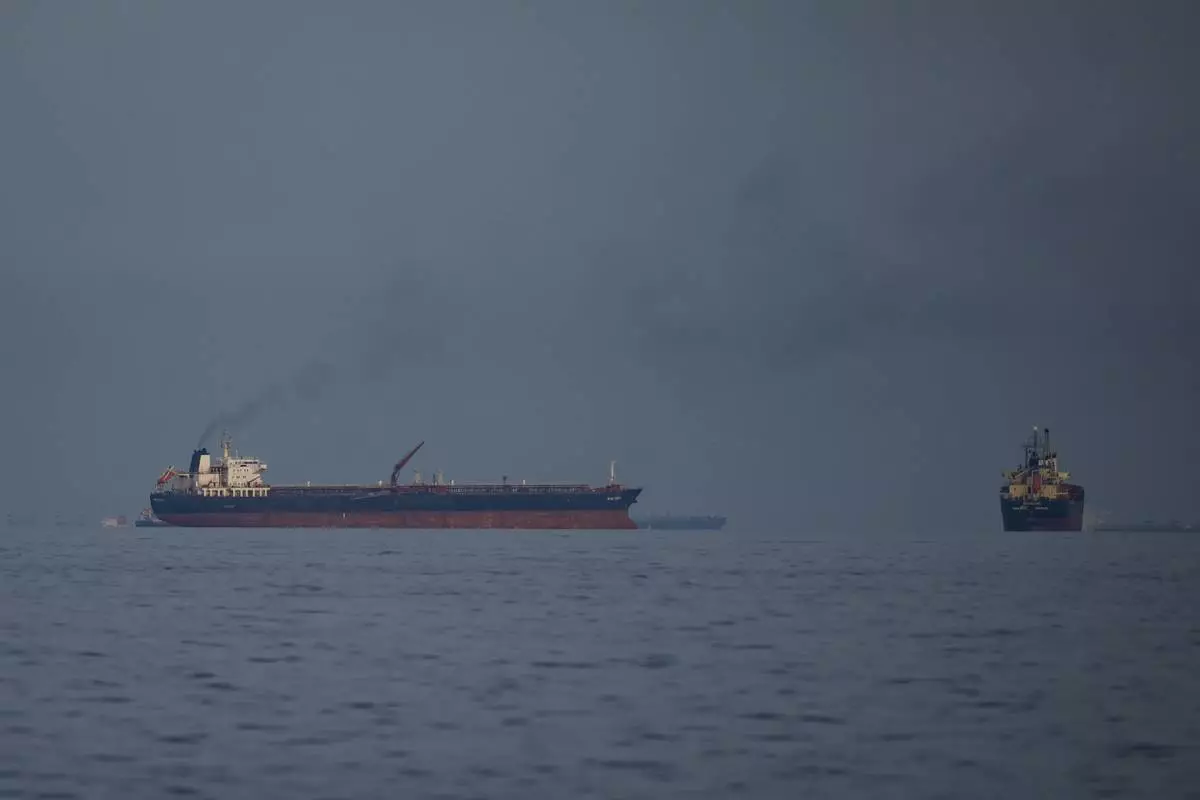
Oil tankers and cargo ships line up in the Strait of Hormuz as seen from Khor Fakkan, United Arab Emirates, Wednesday, March 11, 2026. (AP Photo/Altaf Qadri)
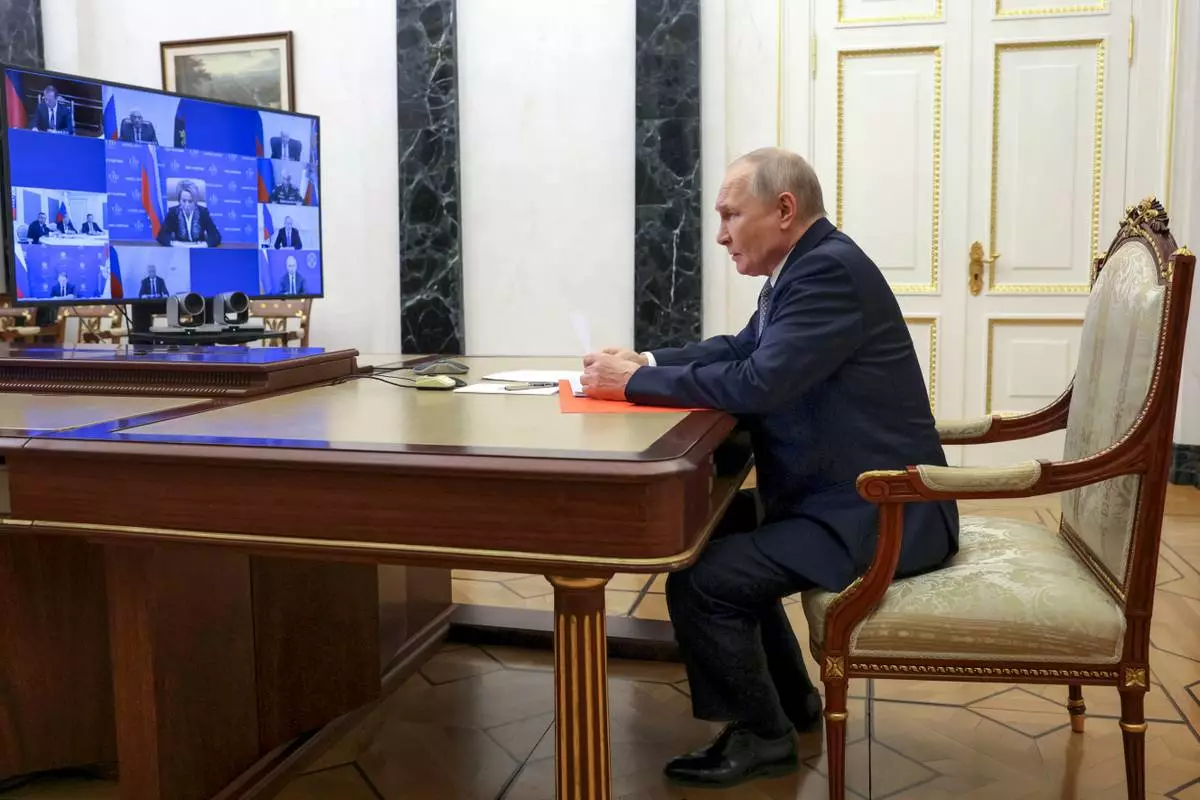
Russian President Vladimir Putin chairs a meeting with members of the Security Council via videoconference at the Kremlin in Moscow, Russia, Friday, March 13, 2026. (Gavriil Grigorov, Sputnik, Kremlin Pool Photo via AP)
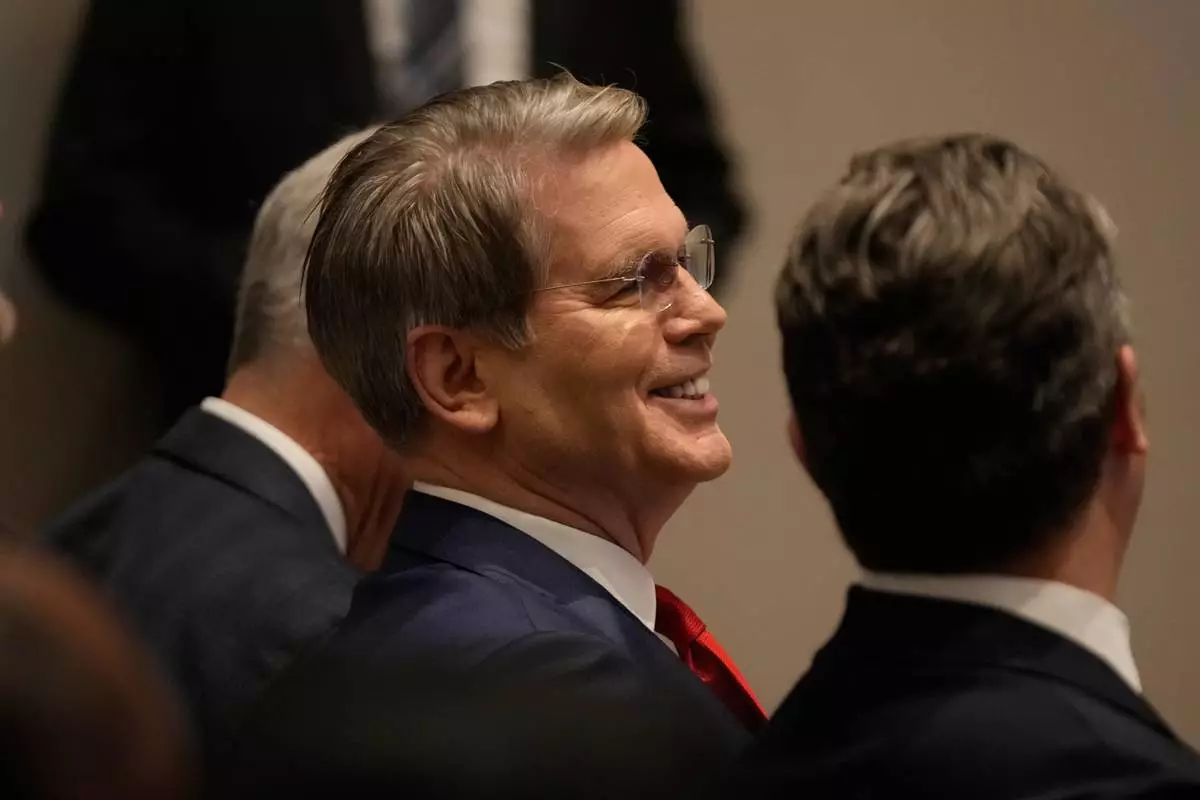
Treasury Secretary Scott Bessent, left, sits next to Defense Secretary Pete Hegseth as President Donald Trump speaks at the Shield of the Americas Summit, Saturday, March 7, 2026, at Trump National Doral Miami in Doral, Fla.(AP Photo/Mark Schiefelbein)
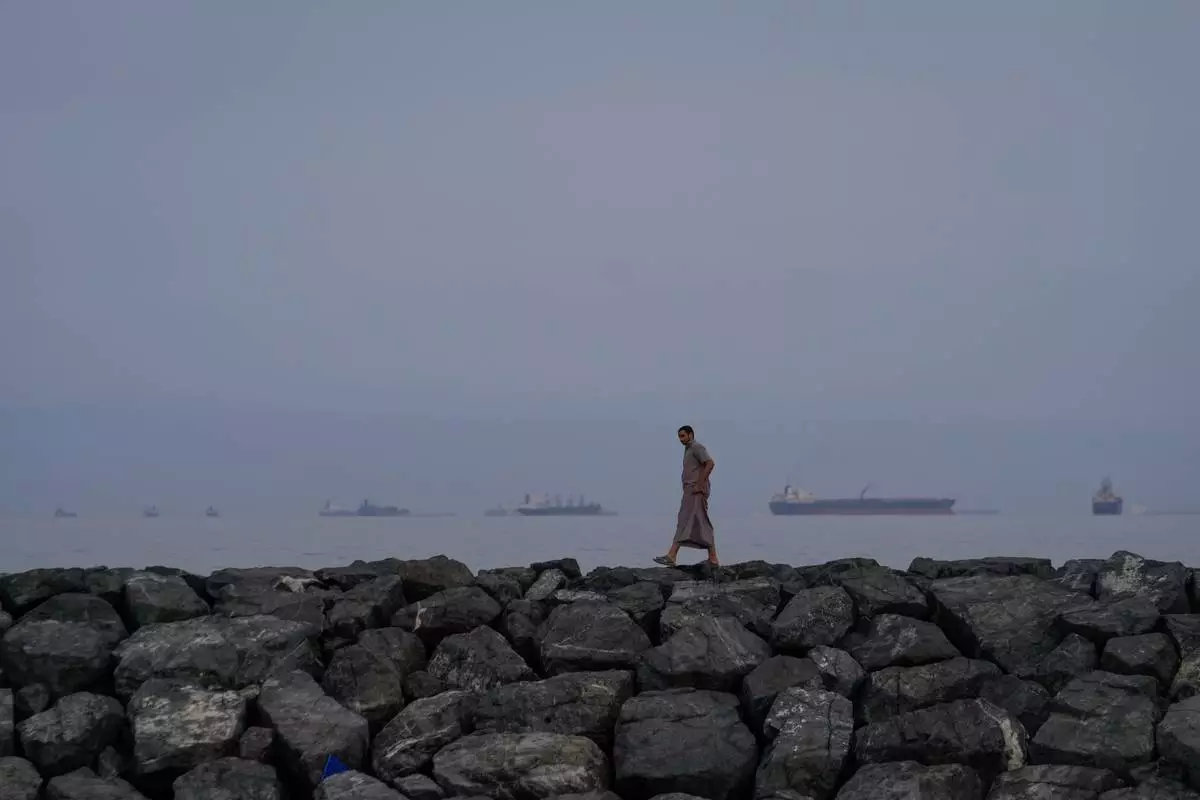
FILE - A man walks along the shore as oil tankers and cargo ships line up in the Strait of Hormuz, as seen from Khor Fakkan, United Arab Emirates, Wednesday, March 11, 2026. (AP Photo/Altaf Qadri, file)