The UN General Assembly on Monday adopted a resolution to proclaim Dec 4 each year as the International Day Against Unilateral Coercive Measures (UCMs).
The resolution urges states to refrain from adopting, promulgating and applying any unilateral economic, financial or trade measures not in accordance with international law and the UN Charter that impede or undermine the full achievement of economic and social development, particularly in developing countries.
Click to Gallery
UN General Assembly declares Dec 4 as int'l day against unilateral coercive measures
UN General Assembly declares Dec 4 as int'l day against unilateral coercive measures
UN General Assembly declares Dec 4 as int'l day against unilateral coercive measures
UN General Assembly declares Dec 4 as int'l day against unilateral coercive measures
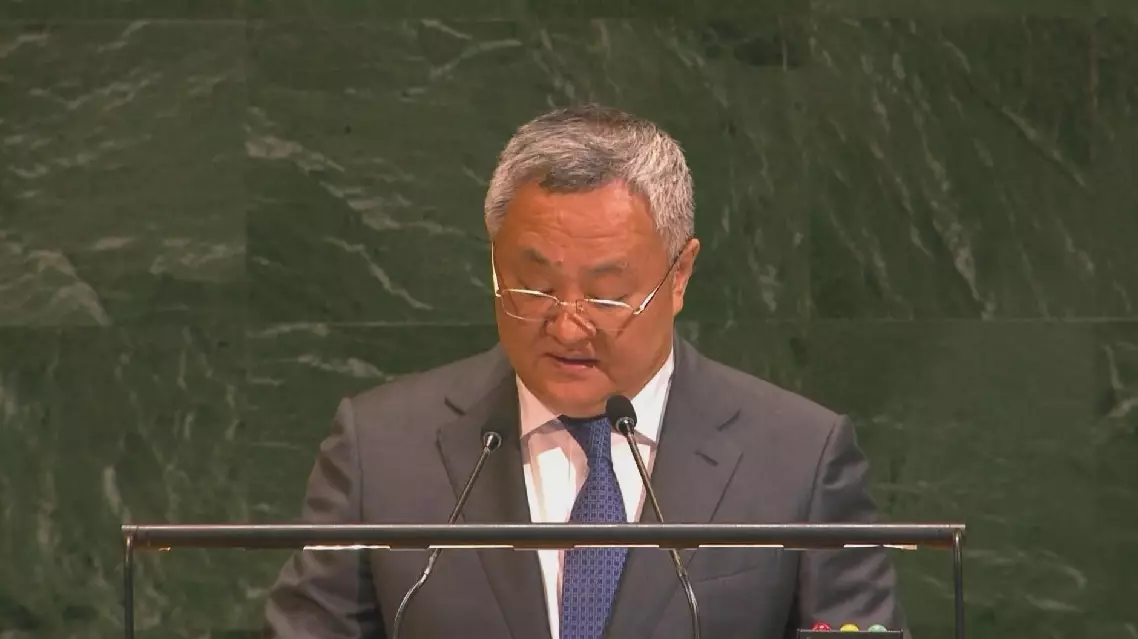
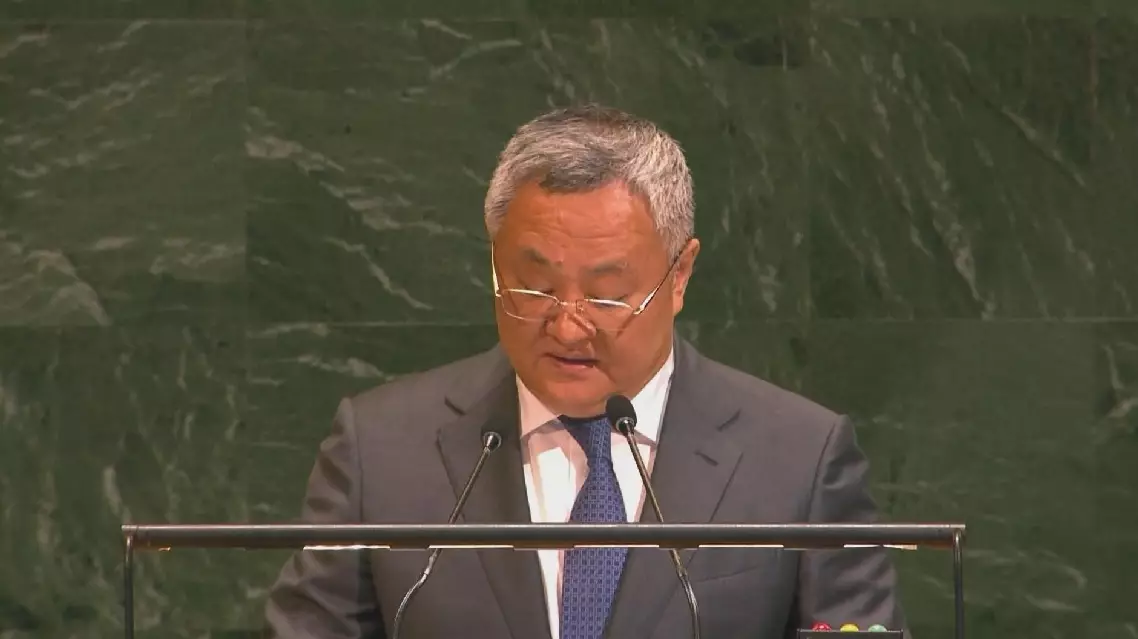
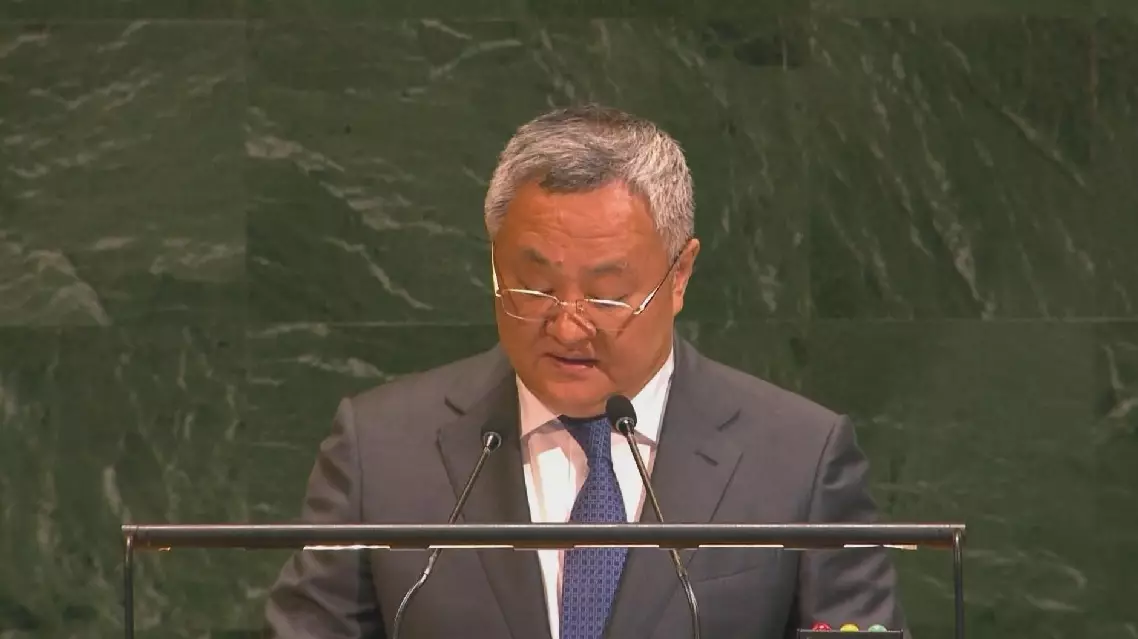
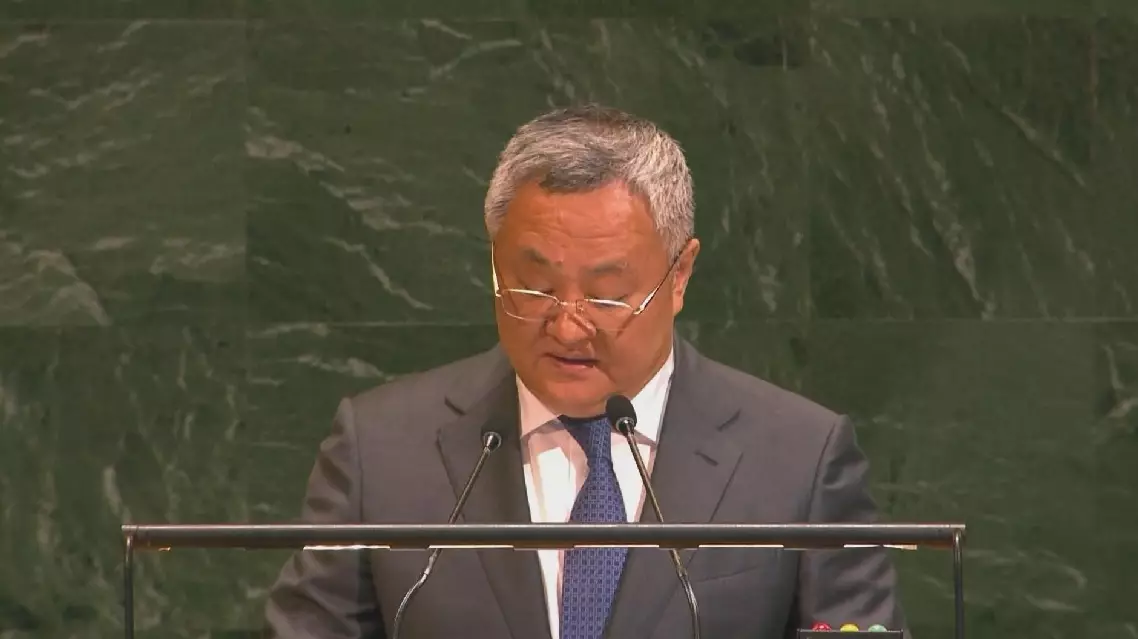
Speaking at the UN General Assembly plenary meeting, China's permanent representative to the United Nations Fu Cong called for efforts to put an end to unilateral coercive measures as they undermine the foundation of multilateralism and international rule of law.
Today's world is plagued with rampant unilateralism, the law of the jungle, and raging UCMs, Fu said, adding that as this year marks the 80th anniversary of the founding of the UN, the proposal by the Group of Friends in Defense of the UN Charter to establish an International Day Against Unilateral Coercive Measures carries great significance.
The harm inflicted by unilateral coercive measures on targeted countries is immense.
"In Cuba, the over 60-year-long embargo by the US has caused hundreds of billions of dollars in losses. Unilateral coercive measures (UCMs) and the resulting secondary sanctions and over-compliance reduce the humanitarian exemptions of UN Security Council sanctions to empty words on paper, and cripple humanitarian assistance. The UN Human Rights Council Special Rapporteur on the negative impacts of UCMs on the enjoyment of human rights has pointed out that unilateral sanctions have led to shortages of health care services, medication, and energy in sanctioned countries, with vulnerable groups such as women, children, and the elderly facing particularly dire circumstances," said Fu.
Several Western countries have instrumentalized and weaponized UCMs in an attempt to rationalize and legitimize unilateralism, hegemony, and power politics, the envoy said, stressing that such illegal practices harm others, will eventually backfire, and must surely be cast aside by history.
"Over the past few decades, the General Assembly has adopted over 100 resolutions opposing UCMs, highlighting their negative impact on human rights and urging the US to lift its embargo on Cuba. We call on a few Western countries to heed the just calls of the international community, honor their commitments to upholding the UN Charter and international law, and immediately, unconditionally, and completely lift all UCMs. We also call on member states, the UN system, and other international organizations to jointly oppose such unlawful practices and help targeted countries mitigate their plight," said Fu.
The resolution was adopted with 116 votes in favor, 51 against, and 6 abstentions. Global North countries, including EU states and Australia, Britain, Canada, Japan, the United States, voted against it.
The resolution invites all UN member states and observers, organizations of the UN system and other international and regional organizations, as well as civil society, individuals and other relevant stakeholders to observe the International Day.
It requests the president of the General Assembly to organize, on an annual basis and starting from 2025, an informal plenary meeting of the assembly to commemorate and promote the International Day.
UN General Assembly declares Dec 4 as int'l day against unilateral coercive measures
UN General Assembly declares Dec 4 as int'l day against unilateral coercive measures
UN General Assembly declares Dec 4 as int'l day against unilateral coercive measures
UN General Assembly declares Dec 4 as int'l day against unilateral coercive measures