Torrential rains continued to batter southern China on Tuesday, causing severe flooding and prompting mass evacuations in parts of Guangdong Province and Guangxi Zhuang Autonomous Region.
Huaiji County in Guangdong's Zhaoqing City was particularly hard hit, with urban streets submerged in flood water and tens of thousands evacuated.
The Sui River at the county's hydrological station reached a peak of 55.22 meters at 7:05 Wednesday local time, exceeding the warning level by 5.22 meters and marking the highest flood level since records began.
Authorities in Huaiji acted swiftly, initiating a top-level flood control emergency response on Tuesday evening. Schools, businesses, and transportation services were suspended, and all emergency shelters were opened.
Across the county, 19 towns have been affected, impacting over 78,000 people, with more than 29,000 evacuated. No casualties have been reported so far.
More than half of Huaiji's urban roads are still in flood, with water levels reaching up to three meters in some areas. Power and internet services are still disrupted.
Further south in Guangdong, Maoming City was swept by intense rainfall on Tuesday evening.
According to the meteorological department, the rainfall in the city's downtown area reached 100 to 140 millimeters in the two hours from 19:00 to 21:00 local time. The flood water in some street sections reached a depth of more than 0.5 meters, disrupting traffic and trapping some residents.
Also on Tuesday, heavy downpours lashed in central, southern, and coastal areas of Guangxi Zhuang Autonomous Region. In Fangchenggang City, low-lying areas were submerged under up to 1.2 meters of water. Firefighters carried out emergency rescues to evacuate trapped residents.
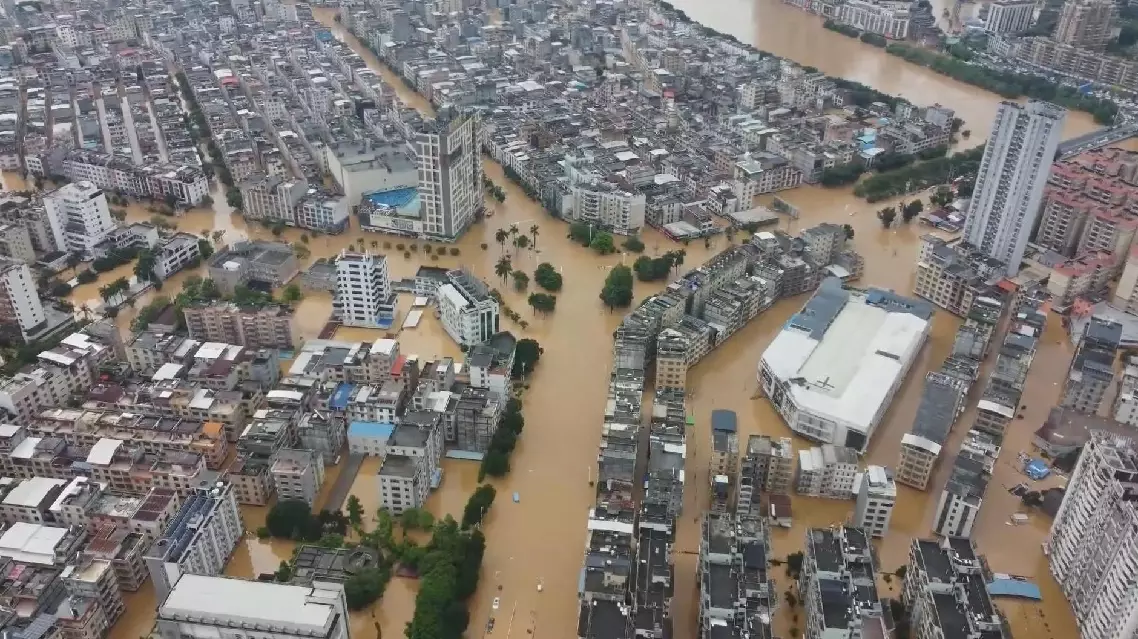
Heavy rains flood cities in southern China
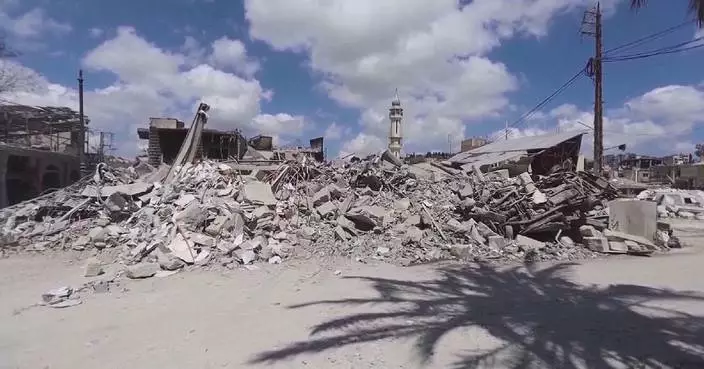
A major port in northern Venezuela came under U.S. airstrikes in the early hours of January 3, which caused extensive damage to civilian infrastructure, destroyed critical medical supplies in a warehouse, and severely impacted centuries-old cultural heritage sites, according to local residents.
The La Guaira Port, a vital hub for imports that support daily life in the region, was heavily damaged during the attack.
Large quantities of medical supplies stored at the port were destroyed. A historic cultural building dating back for some 300 years was also badly damaged by the bombardment.
Residents living near the port recalled the terrifying scenes as explosions shook nearby neighborhoods.
Humberto Bolivar, who lives in a community separated from the port by only a main road, said the blast waves shattered his home's windows, while stray shrapnel struck the water tank on his roof. According to reports, three missiles were fired at the port that night.
Bolivar said that beyond material losses, he is most concerned about the psychological impact on his children, who remain too frightened to leave their home days after the attack.
"The United States invaded our country. The children were frightened. This is not good for them, because it leaves some children with psychological trauma. They do not want to go to school or leave the house, because they are afraid that something worse might happen. We truly do not want this to happen to our country," he said.
Apart from civilian facilities, local cultural heritage site was also affected.
The La Guaira state government building, a structure with nearly 300 years of history and once served as the site of Venezuela's first national customs office, was struck by the force of the explosions.
Windows of the building were shattered, and furniture scattered across the floor.
"As people of La Guaira, we feel deep pain. Our cultural heritage has been bombed. We are living in constant anxiety and suffering, and life can no longer be the same as it was before," said a local named Henry Cumares.
The U.S. side has claimed the airstrikes targeted warehouses allegedly used to store narcotics. However, locals refuted such accusation.
"According to what Donald Trump said, they bombed this place using the excuse that the warehouses here were used to store drugs at the port. But based on the video released by our governor, these warehouses that were burned contained medicine for kidney patients and foods. Many people depend on these supplies to survive. I think the bombing is extremely despicable," said a local resident named Alejandro Capriles.
US strike hits Venezuelan port, wrecking medical supplies, heritage building