ANSAN, South Korea (AP) — No more elephant and monkey acts. No more death-defying motorbike stunts. No more singing or acting on stage.
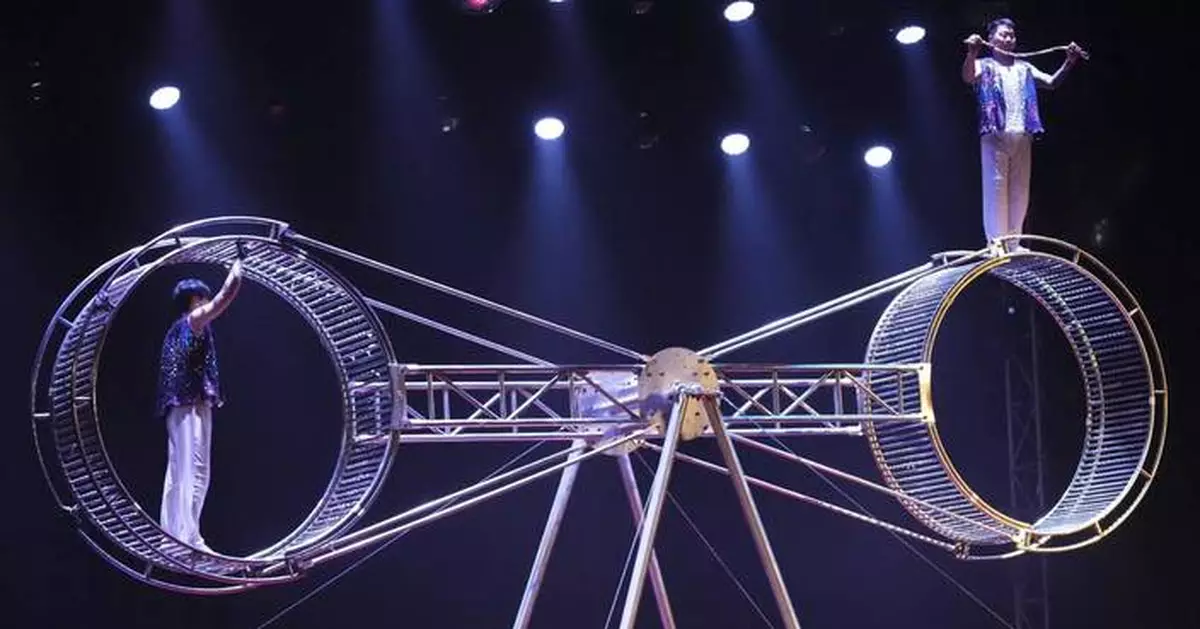
Several hundred spectators still clapped constantly when acrobats with Dongchoon Circus Troupe, South Korea’s last and 100-year-old circus, twirled on a long suspended fabric, juggled clubs on a large, rotating wheel and rode a unicycle on a tightrope under the big top.
Click to Gallery
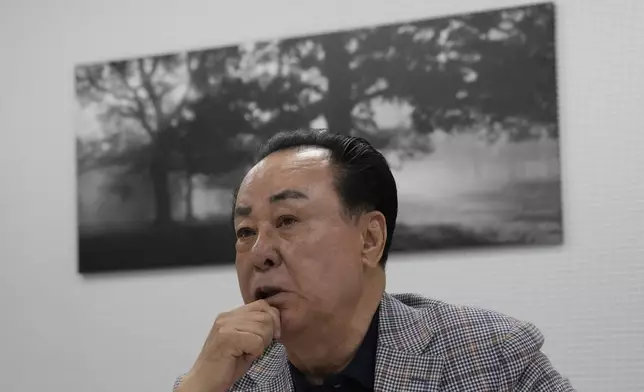
Park Sae-hwan, head of Dongchoon Circus Troupe, speaks during an interview with The Associated Press in Seoul, South Korea, Monday, June 9, 2025. (AP Photo/Ahn Young-joon)

Park Sae-hwan, head of Dongchoon Circus Troupe, speaks during an interview with The Associated Press in Seoul, South Korea, Monday, June 9, 2025. (AP Photo/Ahn Young-joon)
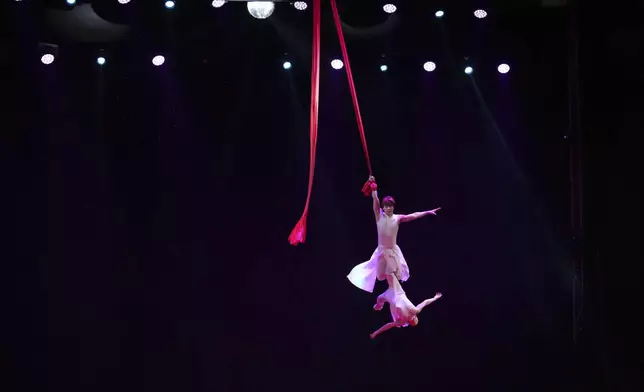
Acrobats from Dongchoon Circus Troupe, South Korea's last-remaining circus, perform in Ansan, South Korea, Sunday, June 15, 2025. (AP Photo/Lee Jin-man)
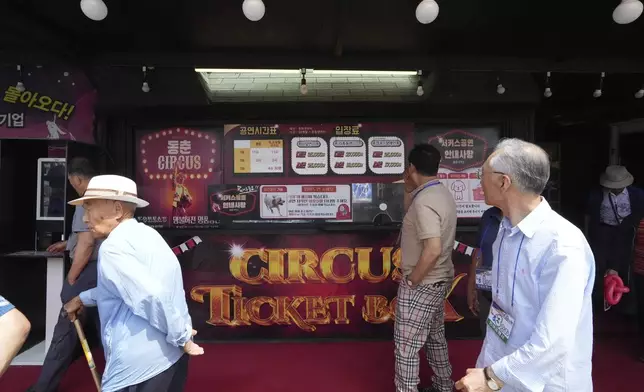
Spectators leave after watching a daily regular performance in Ansan, South Korea, Tuesday, June 10, 2025. (AP Photo/Lee Jin-man)
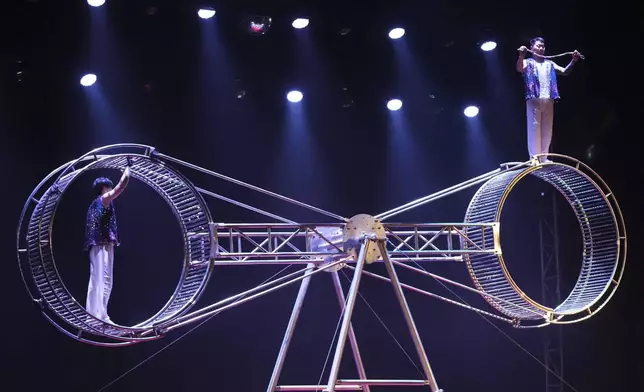
Acrobats from Dongchoon Circus Troupe, South Korea's last-remaining circus, perform in Ansan, South Korea, Wednesday, June 11, 2025. (AP Photo/Lee Jin-man)
“As I recall the hardship that I’ve gone through, I think I’ve done something significant,” Park Sae-hwan, the head of the circus, said in a recent Associated Press interview. “But I also feel heavy responsibility because if Dongchoon stops, our country’s circus, one genre in our performing arts, will disappear. That’s the problem.”
Founded in 1925, Dongchoon is Korea's oldest circus. In the golden ages of South Korean circuses in the 1960s when most households still had no TVs, Dongchoon travelled across the country, wowing audiences with then exotic animals like an elephant and a giraffe and a variety of shows including skits, comic talks, singing, dancing and magic shows. At its peak years, it had more than 200 artists, acrobats and other staff, according to Park.
Like in many other countries, TVs and movies later syphoned off the audiences of Dongchoon and other circuses in South Korea. Their actors, singers and comedians moved to TV stations, and some became bigger stars. The advent of the internet, video games and professional sports were another blow. South Korean circuses also dropped animal shows that faced protests by animal rights campaigners.
Now, Dongchoon is the only circus in South Korea after all its rivals went out of business.
Park, who joined Dongchoon in 1963, served as a show host and sometimes sang and acted in the circus's drama programs. He left the circus in 1973 and ran a lucrative supermarket business. In 1978, he returned to the circus industry by taking over Dongchoon, which was put up for sale after devastating typhoon damage.
Park, now 80, said he worried Dongchoon could disappear into history after seeing newspaper reports that its assets would be split into parts and sold.
“I thought Dongchoon must not disappear. When we want to study the roots of our country's dramas, we should look back on the traces of Dongchoon. The same goes for the history of our other shows, traditional music performances and magic shows as well as circuses themselves,” Park said.
Heo Jeong Joo, an expert at the All That Heritage Research Institute, also values highly the legacy of Dongchoon, which she said incorporated many traditional performers and artists who operated before its 1925 founding.
“Its foundation exceeds 100 years. In a historical perspective, I think it should be designated as an intangible cultural asset,” Heo said.
Park said he almost closed the circus in 2009 after his shows drew only 10-20 spectators each for several months during a widespread flu outbreak. It survived after local media reports sympathizing with the plight of Dongchoon prompted many people to flock and fully pack shows for weeks, he said.
Since 2011, Dongchoon has been performing at a big top at a seaside tourist area in Ansan, just south of Seoul. Its circus workers also frequently travel to other areas for temporary shows. Dongchoon officials said their business is doing relatively well, drawing several hundred spectators on weekdays and up to 2,000 on weekends at Ansan alone.
Ansan official Sharon Ham said local tourism has been boosted by Dongchoon's presence. She said Dongchoon shows are popular with both older generations wanting to recall childhood memories of circuses and younger generations seeking something new.
“It was a very impressive and meaningful circus,” Sim Chung-yong, a 61-year-old spectator, said after one show last week. “But I also thought about how much big pains and hardships those circus acrobats underwent to perform like this.”
Dongchoon officials say they now offer only acrobatic performances and refrain from too-risky acts because many people don't like them any longer.
Its all 35 acrobats are now Chinese, as a circus job is generally shunned by more affluent South Koreans who consider it too dangerous and low-paying. Park said he bought land at Ansan where he hopes to build a circus school to nurture South Korean circus artists.
Xing Jiangtao, 37, has been working for Dongchoon since 2002 — initially as an acrobat and now as its performance director. He recalled that when he first came to South Korea, he and his Chinese colleagues all worked as assistants to Dongchoon's 50 South Korean acrobats but they've all left one by one.
“Now, it's the only circus in South Korea, and I hope we will create good circus performances to show to spectators so that we can help Dongchoon exist for another 100 years," Xing said in fluent Korean.
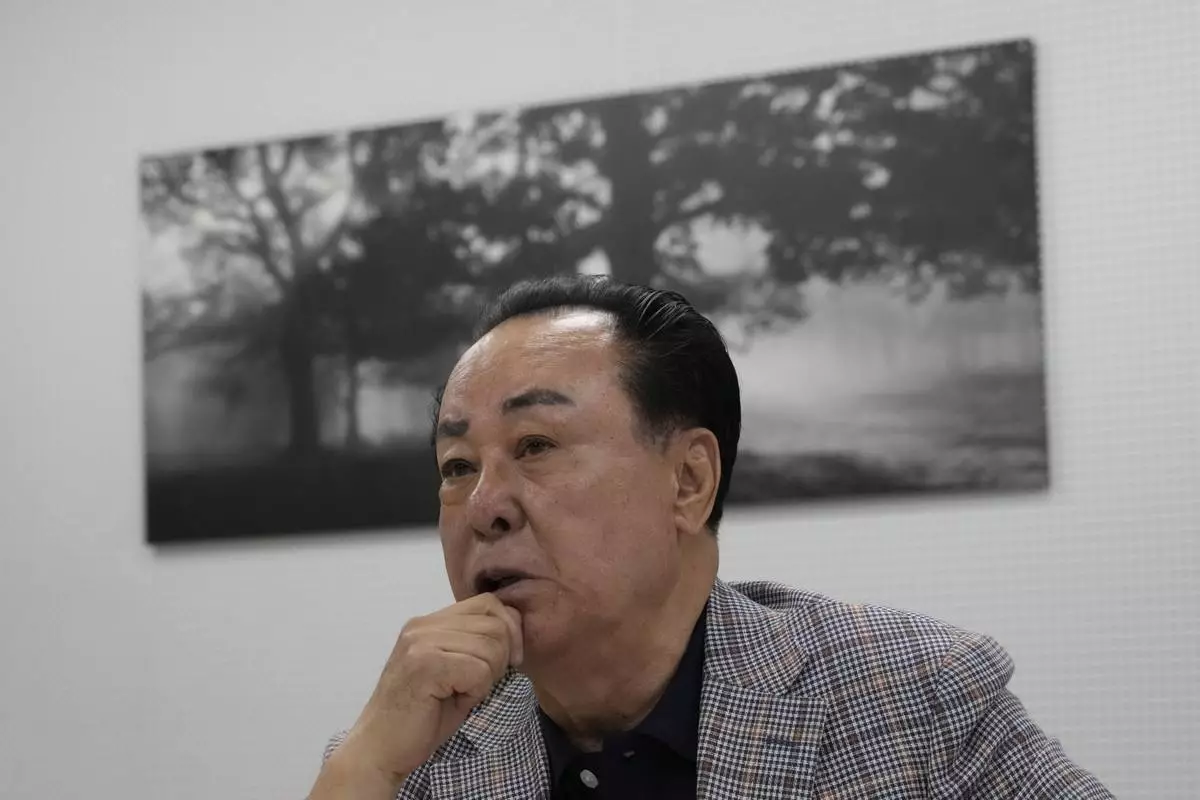
Park Sae-hwan, head of Dongchoon Circus Troupe, speaks during an interview with The Associated Press in Seoul, South Korea, Monday, June 9, 2025. (AP Photo/Ahn Young-joon)

Park Sae-hwan, head of Dongchoon Circus Troupe, speaks during an interview with The Associated Press in Seoul, South Korea, Monday, June 9, 2025. (AP Photo/Ahn Young-joon)
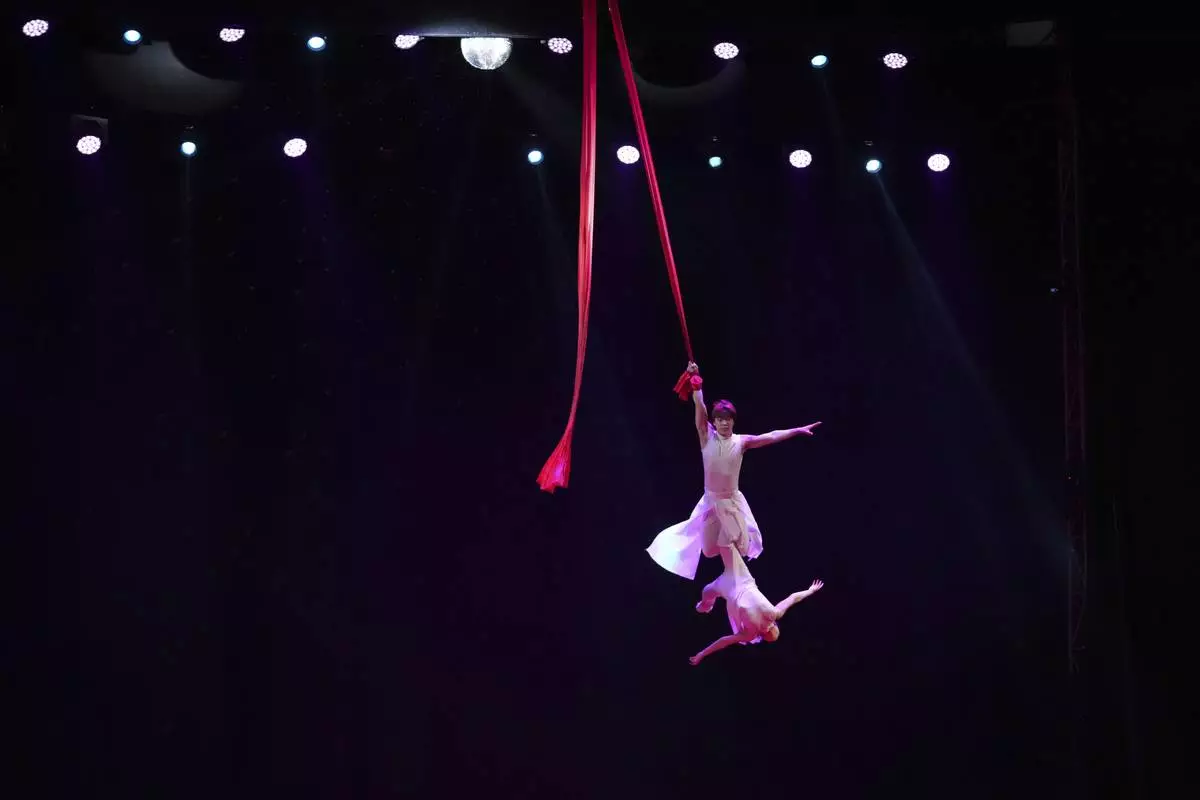
Acrobats from Dongchoon Circus Troupe, South Korea's last-remaining circus, perform in Ansan, South Korea, Sunday, June 15, 2025. (AP Photo/Lee Jin-man)
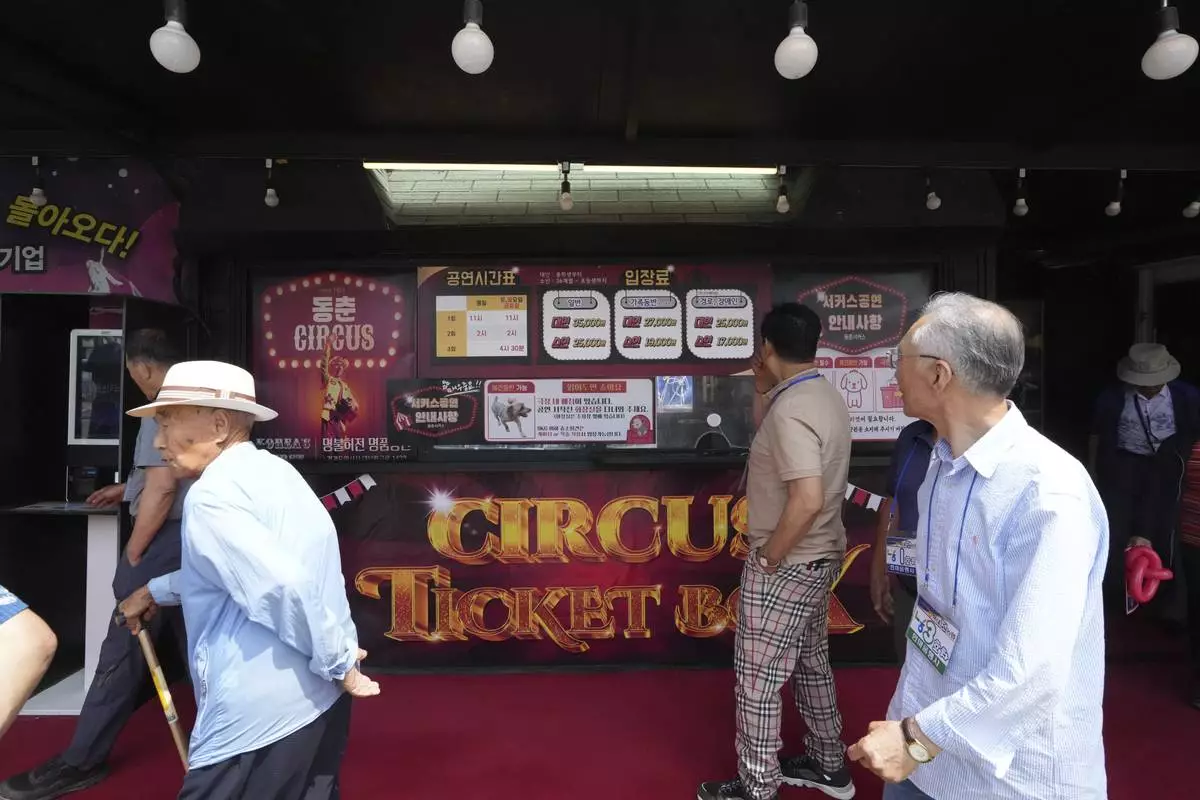
Spectators leave after watching a daily regular performance in Ansan, South Korea, Tuesday, June 10, 2025. (AP Photo/Lee Jin-man)
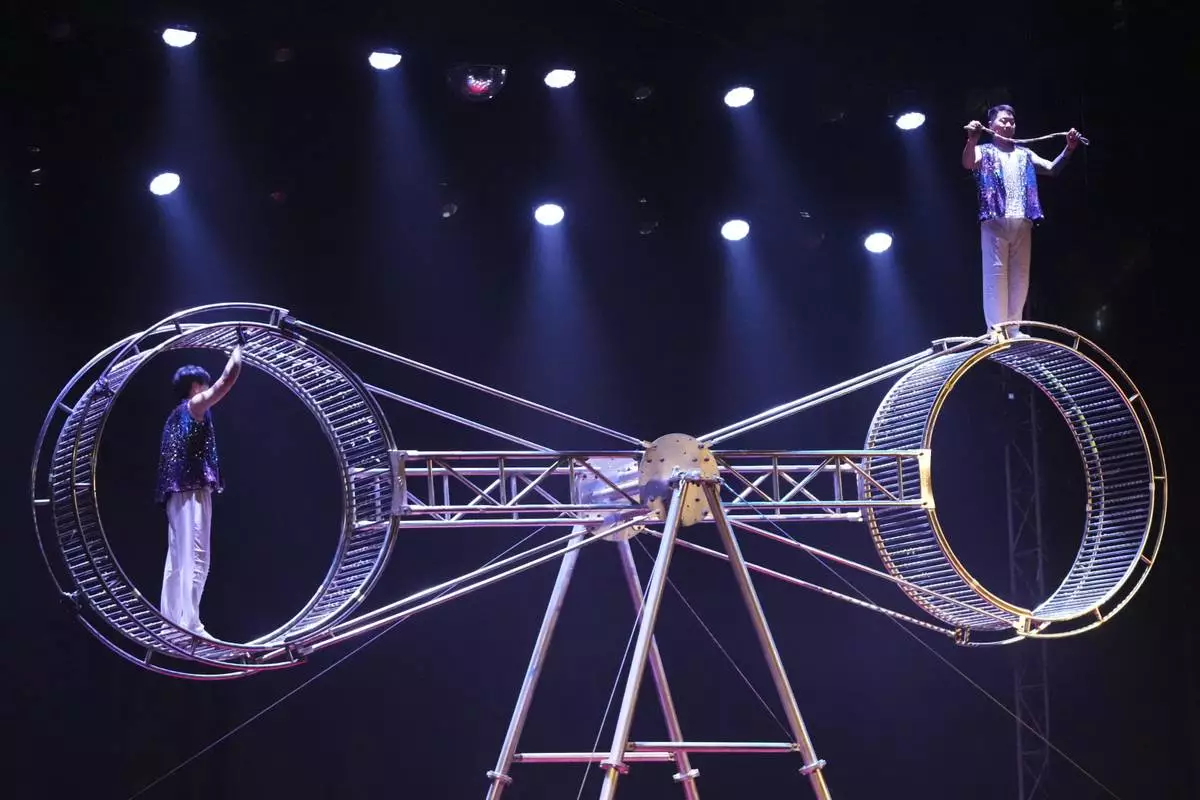
Acrobats from Dongchoon Circus Troupe, South Korea's last-remaining circus, perform in Ansan, South Korea, Wednesday, June 11, 2025. (AP Photo/Lee Jin-man)