Egyptian experts have called for peace, restraint and justice from both sides of the Israel-Iran conflict to avoid possible nuclear disasters and economic fallout.
As tensions between Israel and Iran reach dangerous new heights, African countries are speaking out, reflecting the continent's diverse geopolitical stances yet unified in a call for peace, restraint, and justice in the Middle East.
Egyptian experts have highlighted concerns over the possible nuclear disaster and the economic impact being felt in the north African nation.
As the region is at a boiling point, the threat of a nuclear catastrophe has never been so real. There is widespread concern that Egypt, the closest African country to Israel, could be the victim of a deadly spillover, if Iran hits the Dimona nuclear facility, located in the Negev Desert in southern Israel. "Most of the facilities at the Dimona nuclear reactor are deeply underground. However, if it is bombed, Dimona is about 80 km from the Egyptian border, we are mainly far from this effect, but we have to take care to detect, and to monitor the radiation levels because of the wind direction and wind speed," said Karim El Adham, former chairman of the National Center for Nuclear Safety and Radiation Control.
The Egyptian Nuclear and Radiological Regulatory Authority (ENRRA) has a network across the country that can detect radiation and issue regular reports to the public.
"The reports are very important just to illustrate the situation and also to be true to the people in Egypt, but till now, there's no increase in radiation level. If there are any increase in the radiation level, we have what we call emergency measures that depend on how much the radiation [is]," said Adham.
Meanwhile, Cairo, a main mediator in the middle east, has been heavily criticizing Israel's policies "There are repercussions on Egypt's national security, especially that Iran has its proxies in places like Yemen and Lebanon, it might destabilize the whole region, including Egypt. Egypt also will be intensifying diplomatic efforts," said Mohamed El Dihi, deputy chairman of the Al Hewar Center for Political Studies.
Besides the probable political and security aspects, what is already being felt is the direct impact of the war on Egypt's economy.
Since Israel started its military operation on Iran, the Egyptian pound dropped from 49 to 51 against the U.S. dollar, while the stock market saw major losses, with hot money exiting the region. "The economic impact would be much worse, especially sectors that secure U.S. dollar revenue, such as tourism," said Mona Mostafa, operation manager of Arabeya Online for Securities Brokerage.
The Suez Canal, another major source of hard currency, is also facing more losses as a shipping corridor.
Energy is more concerning. Egypt's natural gas imports from Israel's Leviathan gas field have been suspended for security reasons. Egypt has quickly issued a tender to import one million tons of natural gas for immediate delivery.
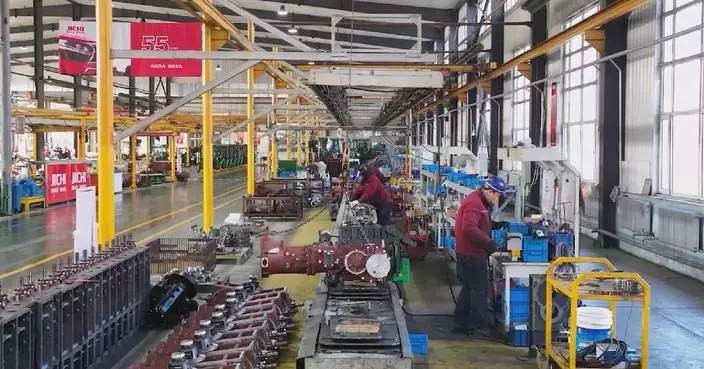
"The interruption of natural gas supply would affect factories and cause production difficulties. We are now in negotiation to arrange five LNG vessels to cover the shortage in natural gas supplies, which could force our hands to bring electricity outages strategy back," said Mostafa.
Meanwhile, the Egyptian government said it is amending the state expenditure to save funds for importing food, energy and basic necessities, if the conflict prolongs, and inflation hits global markets.
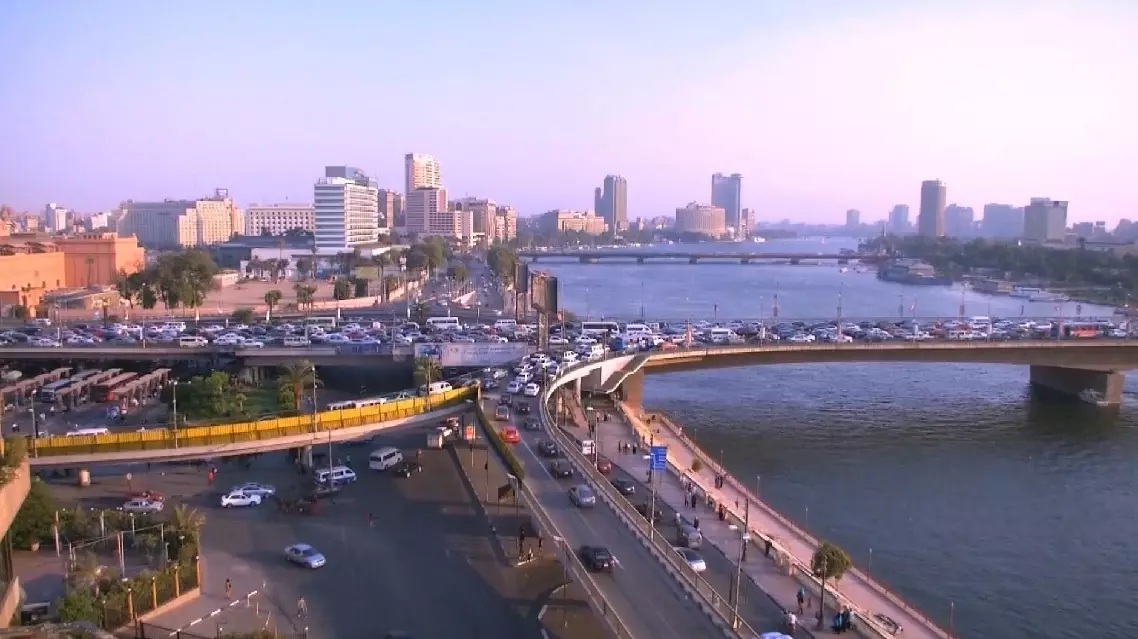
Egyptian experts call for de-escalation of Israel-Iran conflict to avoid possible disasters