Skip to Content Facebook Feature Image

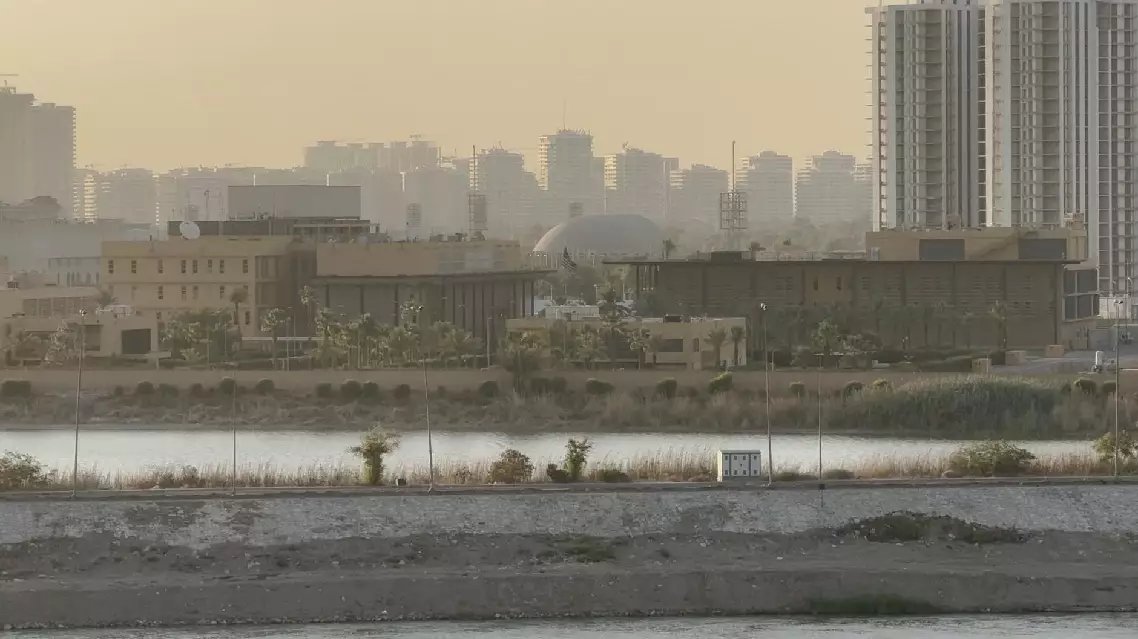
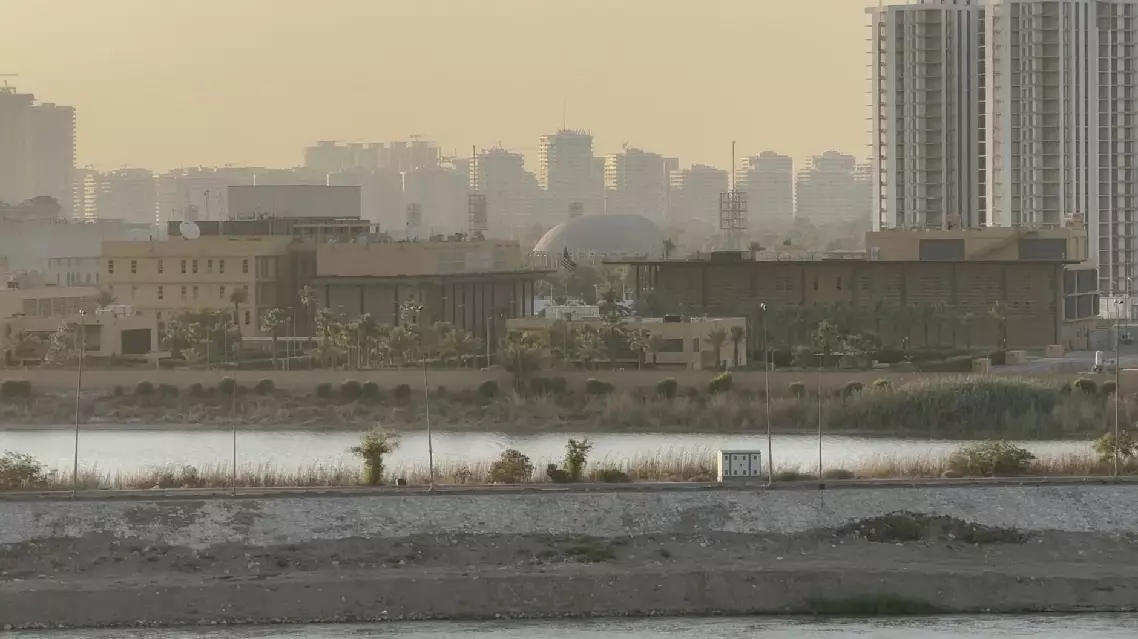
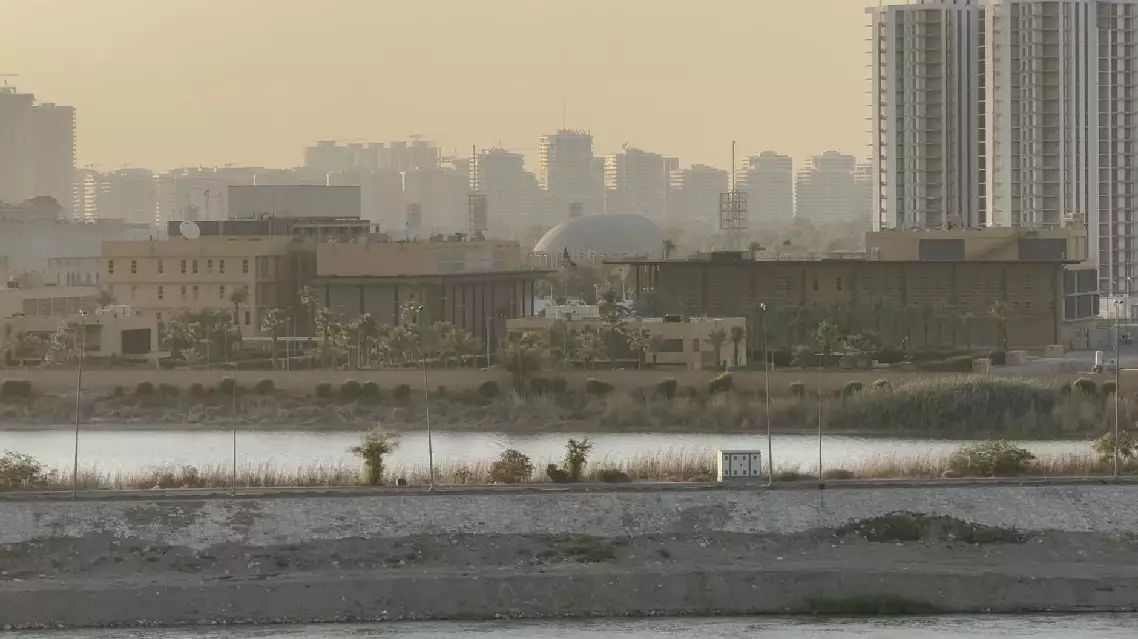
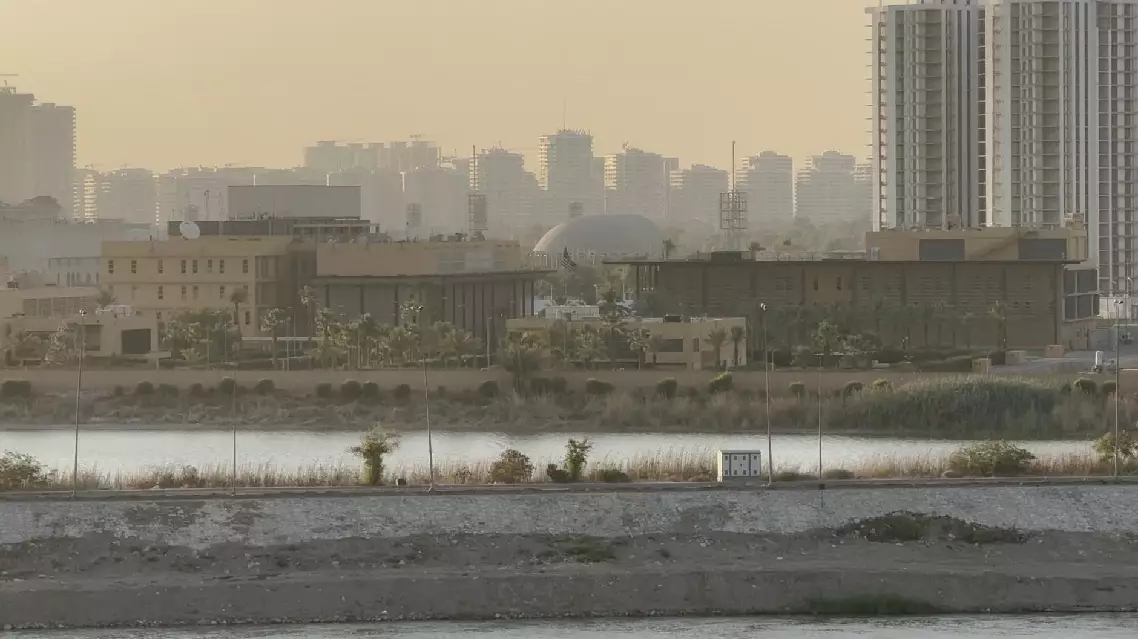
Iraq ramp up security in Baghdad's Green Zone after US airstrikes on Iran
China

China

China

Iraq ramp up security in Baghdad's Green Zone after US airstrikes on Iran

2025-06-24 14:41 Last Updated At:06-25 01:07

Tensions rise in Iraq after Saturday's U.S. airstrikes on Iranian nuclear facilities, with Baghdad intensifying security measures in the Green Zone and a mass evacuation of U.S. embassy personnel underway.

The Iraqi Security Forces have deployed SWAT teams and armored vehicles in the Green Zone, particularly heavily in areas near the U.S. embassy. Temporary cordons were established around the diplomatic premises, barring access of unauthorized personnel. According to sources in the Iraqi Foreign Ministry, over 500 staff members and contractors associated with the U.S. embassy have already left the country.

More Images
Iraq ramp up security in Baghdad's Green Zone after US airstrikes on Iran

Iraq ramp up security in Baghdad's Green Zone after US airstrikes on Iran
Iraq ramp up security in Baghdad's Green Zone after US airstrikes on Iran
Iraq ramp up security in Baghdad's Green Zone after US airstrikes on Iran
Iraq ramp up security in Baghdad's Green Zone after US airstrikes on Iran

Iraq ramp up security in Baghdad's Green Zone after US airstrikes on Iran
Iraq ramp up security in Baghdad's Green Zone after US airstrikes on Iran
Iraq ramp up security in Baghdad's Green Zone after US airstrikes on Iran

Meanwhile, Shia militias associated with Iran in Iraq have issued statements over the past days, threatening retaliatory attacks on U.S. military bases in the Middle East in response to the strikes on Iran. The Iraqi government is still in communication with radical militias to prevent further escalation of the situation.

Iraqi Prime Minister Mohammed Shia' al-Sudani pointed out in Monday's phone call with Russian President Vladimir Putin that the U.S. military aircraft intruded Iraqi airspace while carrying out the attacks on Iran.

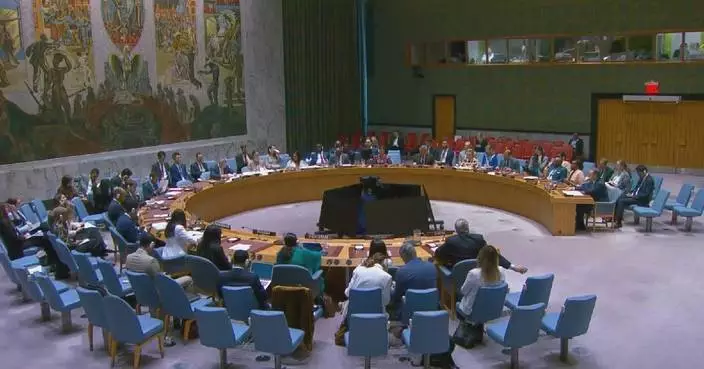
Al-Sudani condemned the violation of Iraqi airspace by U.S. and Israeli aircraft, stressing Iraq's commitment to upholding its sovereignty and calling on the UN Security Council to fulfill its core responsibility in halting the war and intensifying diplomatic efforts.

Multiple Iraqi parliament members and religious leaders have voiced criticism against the U.S. for its hypocrisy, demanding the Iraqi government to strengthen airspace control and calling for withdrawal of the U.S.-led coalition forces from Iraq, the prime minister said.

Small-scale protests have also broken out in Bagdad and Najaf, with demonstrators holding banners saying "Defend sovereignty, oppose occupation," requiring the government to take a tougher stance against the U.S. military operations.

Facing growing pressures from multiple sides, the Iraqi government is reassessing its security and military cooperation framework with the U.S.

According to some analysts, if the U.S. continues to ignore Iraqi sovereignty and take further military actions against Iran, the U.S.-Iraq relationship might face challenges.

Iraq ramp up security in Baghdad's Green Zone after US airstrikes on Iran

Iraq ramp up security in Baghdad's Green Zone after US airstrikes on Iran
Iraq ramp up security in Baghdad's Green Zone after US airstrikes on Iran
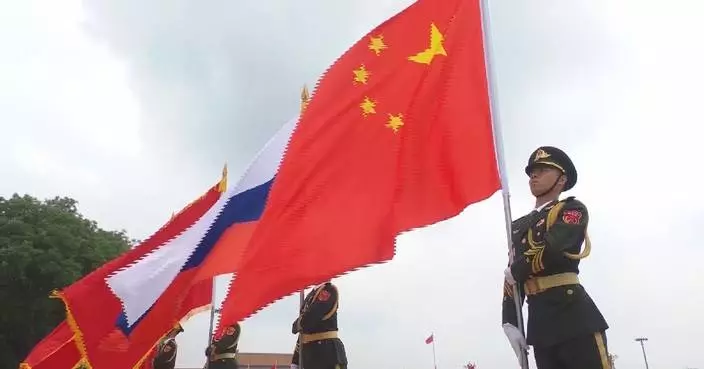
Iraq ramp up security in Baghdad's Green Zone after US airstrikes on Iran

Iraq ramp up security in Baghdad's Green Zone after US airstrikes on Iran

Iraq ramp up security in Baghdad's Green Zone after US airstrikes on Iran

Iraq ramp up security in Baghdad's Green Zone after US airstrikes on Iran

Iraq ramp up security in Baghdad's Green Zone after US airstrikes on Iran

A Japanese lawmaker has raised concerns over Japan's push to expand its military and its nuclear policy.

Responding to some politicians' dangerous tendency towards possessing nuclear weapons, Takara Sachika, a member of Japan's House of Councilors, said that Japan's push to strengthen its military, combined with what she called a misguided nuclear policy, not only heightens regional tensions but also directly threatens regional security.

"I think this is completely unacceptable. Japan is a country that has suffered atomic bombings and is one of the nations most aware of the threat posed by nuclear weapons. Yet such a country is openly discussing the issue of possessing nuclear weapons and even attempting to revise the principle of not allowing the introduction of nuclear weapons, one of the Three Non-Nuclear Principles. This is an extremely serious problem," Takara said.

Takara said the Japanese government's tendency to expand its military capabilities is completely contrary to the Constitution.

"From the perspective of Japan's Constitution, Japan should never have adopted a policy of ensuring security by strengthening military capabilities. Yet today, enormous effort is being poured into military expansion, and that in itself is a serious problem," said the lawmaker.

At a Diet meeting in early November 2025, Japanese Prime Minister Sanae Takaichi said that what she described as the Chinese central authorities' "use of force on Taiwan" could constitute a "survival-threatening situation" for Japan, and suggested the possibility of armed intervention in the Taiwan Strait, drawing strong criticism worldwide.

Takara urged Takaichi to retract her erroneous remarks as soon as possible.

"I think there is a very big problem with making such remarks that provoke other countries. It is necessary to thoroughly examine the facts as soon as possible and withdraw the relevant remarks," she said.

Japanese lawmaker criticizes nuclear weapons remarks as threat to regional security

Japanese lawmaker criticizes nuclear weapons remarks as threat to regional security

Recommended Articles