A fleet of the Chinese People's Liberation Army (PLA) Navy led by China's first domestically built aircraft carrier, the Shandong, arrived in the Hong Kong Special Administrative Region (HKSAR) on Thursday morning, kicking off a five-day visit.
It is the Shandong's maiden visit to the region, which came on the heels of the July 1 celebrations marking the 28th anniversary of Hong Kong's return to the motherland.
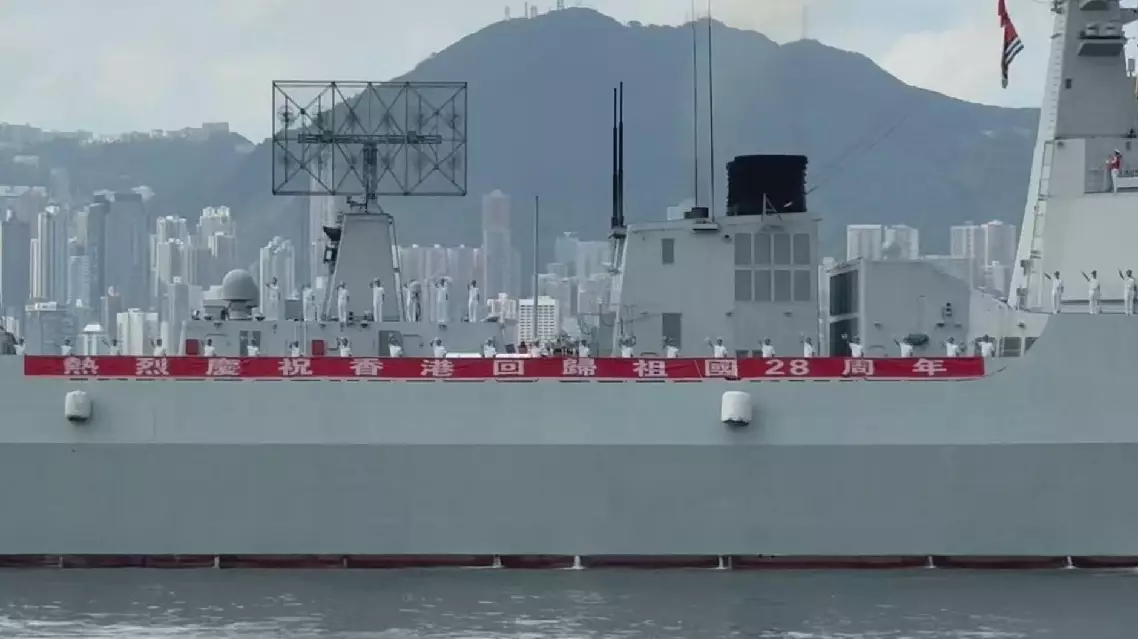
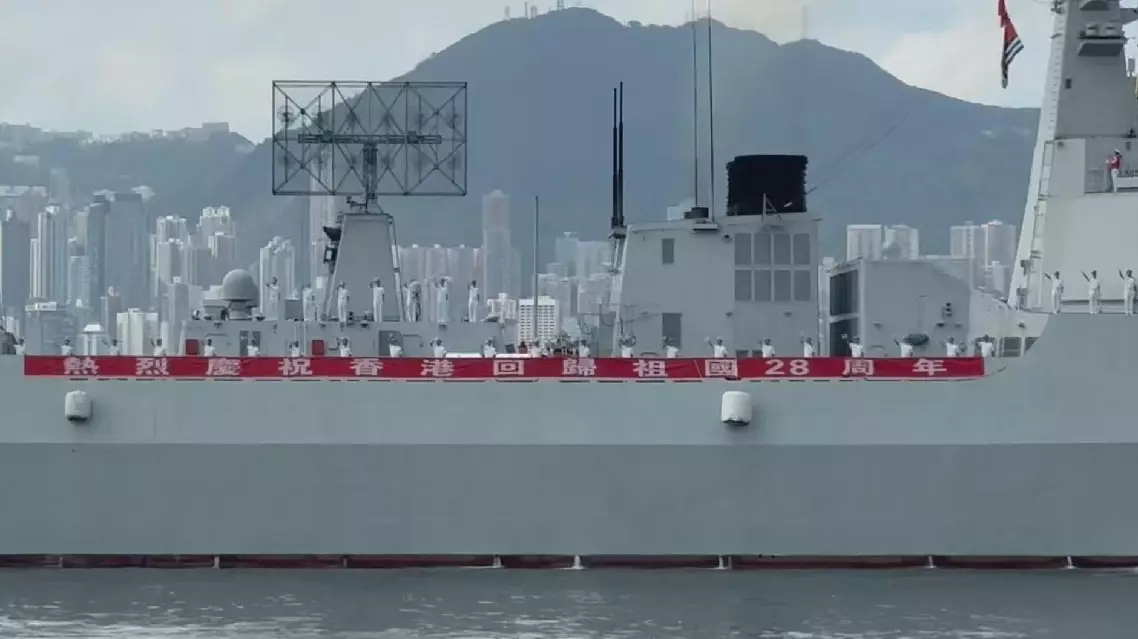
At around 08:00, the fleet, which comprises the aircraft carrier and three escort vessels, received a grand water salute as they were sailing into Hong Kong waters and toward the Victoria Harbor.
On the Shandong's massive flight deck were fighter jets and helicopters along with a formation of over 700 officers and soldiers.
The Shandong and the Yan'an missile destroyer were anchored near the west end of the Victoria Harbor, while the Zhanjiang missile destroyer and the Yuncheng missile frigate docked at the PLA Hong Kong Garrison's naval base in Stonecutters Island.
At around 10:00, HKSAR Chief Executive John Lee welcomed the Shandong aircraft carrier formation at a ceremony held at the Stonecutters Island Naval Base.
A large crowd greeted the fleet, many of whom brought their cameras to take pictures of the warships.
From Friday to Sunday, the Shandong, the Zhanjiang and the Yuncheng will host open tours, lectures, drill demonstrations and other exchange activities. "They are so magnificent. It is the first time I've seen our country's warships and there are no words to describe how I feel. It's the first time I've seen such a huge destroyer right in front of me. I want to thank our motherland for making this happen in Hong Kong and giving students like us a chance to see these warships up close and get to know how strong our country's military has become," said a local student in an interview with China Central Television (CCTV) on the deck of the Zhanjiang.
A solider named Xie Huigui, who is on active service on the Shandong, wished the naval fleet's visit to Hong Kong a success.
"My name is Xie Huigui and I was born on July 1, 1997. To mark Hong Kong's return to the motherland, my parents named me 'Huigui' (meaning 'return'). To become a solider had been a childhood dream of mine, so when I applied for admission into university after the national college entrance examination, I chose to go to a military academy. It was during my college years that I learned about our country's first domestically built aircraft carrier getting delivered and commissioned into the PLA Navy. Since then I had found myself filled with a new yearning. After graduation, I chose to become a solider on the Shandong," he said.
"I feel so fortunate and proud to be able to visit Hong Kong on board the Shandong this time. I sincerely wish this visit a complete success and I also hope that Hong Kong will have a brighter future," said the solider.
Aircraft carrier-led naval fleet begins 5-day visit to Hong Kong
Aircraft carrier-led naval fleet begins 5-day visit to Hong Kong