Sri Lankan Prime Minister Harini Amarasuriya has praised China's role in the country's energy infrastructure and expressed confidence in further joint projects.
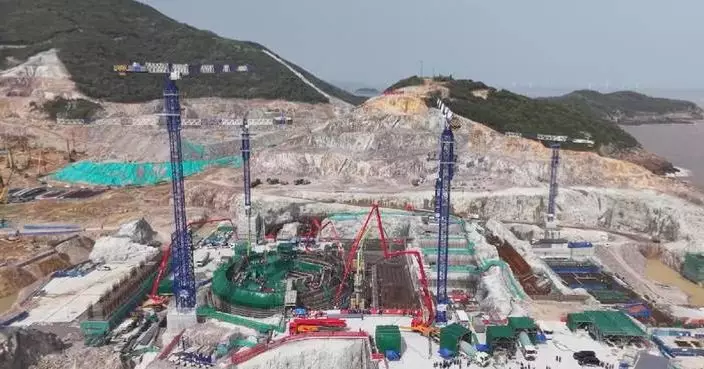
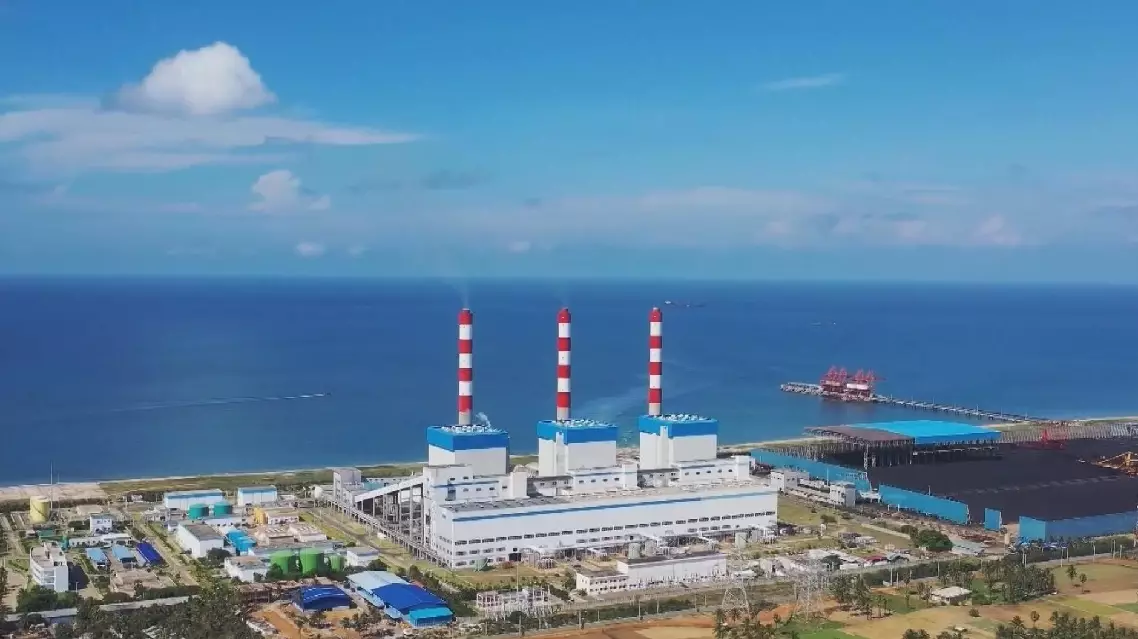
In an interview with China Media Group (CMG) aired Friday, she highlighted the Norochcholai coal power plant, Sri Lanka’s first coal‑fired facility. Financed and built by China, the plant has been featured on the 100‑rupee banknote and remains the largest economic and trade cooperation project between the two countries to date.
"Energy independence is something that is very important for us. We're a small country, but we have invested in infrastructure and making sure that electrification reaches everyone, because we think that is essential for the people to be able to participate meaningfully in development. So our energy projects are critical in that," Amarasuriya said.
The Norochcholai coal power plant generates around 40 percent of Sri Lanka's total electricity. It can meet about 60 percent of demand nationwide during the dry season.
"China is continuing to work with us on ensuring that our energy is also now green and sustainable and that it can that energy independence is assured. So I think in the future you will see many such projects, and perhaps many such notes with other symbols as well, that reflect China and Sri Lanka's collaboration and partnership," Amarasuriya said.
Her remarks followed President Anura Kumara Dissanayake’s state visit to China on Jan 14 last year, his first trip since taking office in September 2024. During the four‑day visit, Dissanayake toured new energy enterprises in Chengdu and said Sri Lanka hopes to secure technical support and investment from China as it shifts away from fossil fuels, underscoring how energy cooperation has become a central theme in bilateral ties.
Sri Lankan PM praises energy cooperation with China, eyes more joint projects
Farmers across the U.S. Midwest, a major agricultural hub with over 200 million acres of cropland, are facing unprecedented challenges as the cost of essential agricultural inputs, particularly diesel and fertilizer, has surged in recent weeks.
This sharp increase is largely attributed to the ongoing U.S.-Israeli war with Iran, which began in late February, and its ripple effects on global markets. The rising expenses are casting a shadow over the upcoming planting season, threatening to erode profitability for many.
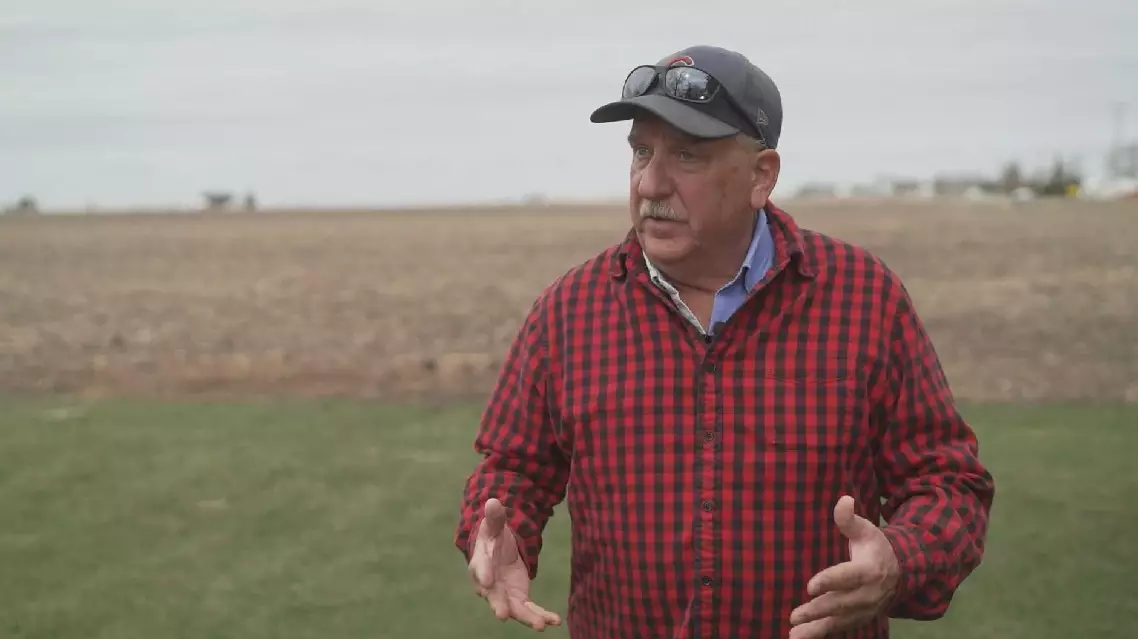
At a farm in southern Illinois, preparations for planting season are underway, a process that critically relies on the application of fertilizer. However, the cost of this vital resource has escalated dramatically.
Brian Duncan, a farmer in Illinois, highlighted the global nature of the impact.
"The Strait of Hormuz is very important for transit of fuel and fertilizer, and it's a global market. So even if the shipments that were coming here are not impacted, what we will see is a global rise in price because of that insecurity, and it will impact us here," he said.
With many U.S. farmers locking in fertilizer prices last year, the full impact on farmers is only likely to be felt later in the year, if the conflict continues and fertilizer prices remain high.
Robb Ewoldt, a farmer in the neighboring state of Iowa, echoed these concerns. He noted that while farmers have faced high costs before, the current situation is compounded by depressed commodity prices for crops like soybeans and corn, meaning farmers face the prospect of producing at a loss this year.
"We have higher cost, and that's the biggest thing. We have had our costs be higher in the past, but right now, our commodity prices are a little bit depressed, and so it's making it very challenging to be profitable and make a positive cash flow for the year," said Ewoldt.
As fertilizer prices skyrocket, concerns are growing for many farmers. In the longer term, if input costs including fertilizer remain high, the consequences for farmers could be dire.
"The sentiment is, you know, when I go to meetings, we think, well, there's going to be, some of us aren't going to be here next year because we're not going to be in business," said Ewoldt.
"I'd say it's a time of concern, perhaps a time of survival mode, where we're looking to cut costs, not make any new expenditures, and try to hang on for either a better marketplace dynamic or a significant lowering of our input costs," said Duncan.
As the planting season commences, the inherent optimism of farmers will be put to the test against a backdrop of economic uncertainty and geopolitical volatility.
Soaring diesel, fertilizer costs hit US farmers
Soaring diesel, fertilizer costs hit US farmers