Some U.S. high school students from the state of Utah recently visited the former residence of Soong Ching Ling, the late Honorary President of China, in Beijing, where they experienced China's national-level intangible cultural heritage and gained a more vivid understanding of China.
As part of an initiative of the "50,000 in 5 Years" announced by Chinese President Xi Jinping during his 2023 visit to San Francisco, the Sino-U.S. Youth People-to-People Exchange Camp took place in the Chinese capital from March 30 to April 2, with 37 teachers and students from two high schools in Utah visiting China.
The initiative seeks to invite 50,000 young Americans to China on exchange and study programs over five years.
During a four-day event, high school students from both countries engaged in a series of cultural exchange activities centered on science and technology education, sports, and arts.
At the former residence of Soong Ching Ling, the U.S. students personally used the lacquer craft, a national-level intangible cultural heritage skill passed down for more than 1,000 years, to make bag charms, getting firsthand knowledge about China's fine traditional culture.
For most of the American students, this is their first time to China. Although many of them have been learning Chinese for years, the face-to-face communication this time helped them get a more vivid understanding of China. "My daughter is a WeChat friend now with her study buddy from yesterday and I hope that they stay in touch. So I hope that this generation grows up knowing Chinese people, and understanding the culture and having an opportunity to strengthen those ties," said Keith White, a parent of a high school student from Utah's Alpine School District.
"The students were quite surprised as soon as they arrived. It turned out that China is not like what they had known. So they like it very much. And it's well worth their visit because they need knowledge in this regard, and most Americans really don't understand China and don't have the chance to come. So I hope this kind of communication can enhance the relationship between us and also improve some Americans' views on China," said Alan Mitchell Heath, a teacher from Lone Peak High School.

China-U.S. youth cultural exchange strengthens bilateral understanding
Farmers across the U.S. Midwest, a major agricultural hub with over 200 million acres of cropland, are facing unprecedented challenges as the cost of essential agricultural inputs, particularly diesel and fertilizer, has surged in recent weeks.
This sharp increase is largely attributed to the ongoing U.S.-Israeli war with Iran, which began in late February, and its ripple effects on global markets. The rising expenses are casting a shadow over the upcoming planting season, threatening to erode profitability for many.
At a farm in southern Illinois, preparations for planting season are underway, a process that critically relies on the application of fertilizer. However, the cost of this vital resource has escalated dramatically.
Brian Duncan, a farmer in Illinois, highlighted the global nature of the impact.
"The Strait of Hormuz is very important for transit of fuel and fertilizer, and it's a global market. So even if the shipments that were coming here are not impacted, what we will see is a global rise in price because of that insecurity, and it will impact us here," he said.
With many U.S. farmers locking in fertilizer prices last year, the full impact on farmers is only likely to be felt later in the year, if the conflict continues and fertilizer prices remain high.
Robb Ewoldt, a farmer in the neighboring state of Iowa, echoed these concerns. He noted that while farmers have faced high costs before, the current situation is compounded by depressed commodity prices for crops like soybeans and corn, meaning farmers face the prospect of producing at a loss this year.
"We have higher cost, and that's the biggest thing. We have had our costs be higher in the past, but right now, our commodity prices are a little bit depressed, and so it's making it very challenging to be profitable and make a positive cash flow for the year," said Ewoldt.
As fertilizer prices skyrocket, concerns are growing for many farmers. In the longer term, if input costs including fertilizer remain high, the consequences for farmers could be dire.
"The sentiment is, you know, when I go to meetings, we think, well, there's going to be, some of us aren't going to be here next year because we're not going to be in business," said Ewoldt.
"I'd say it's a time of concern, perhaps a time of survival mode, where we're looking to cut costs, not make any new expenditures, and try to hang on for either a better marketplace dynamic or a significant lowering of our input costs," said Duncan.
As the planting season commences, the inherent optimism of farmers will be put to the test against a backdrop of economic uncertainty and geopolitical volatility.
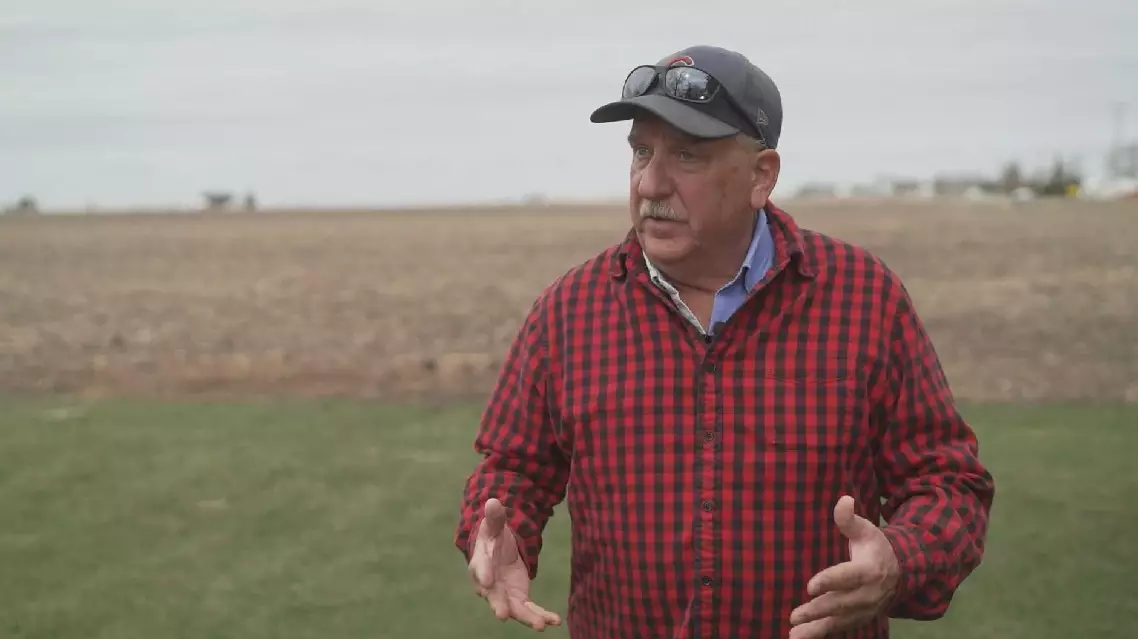
Soaring diesel, fertilizer costs hit US farmers
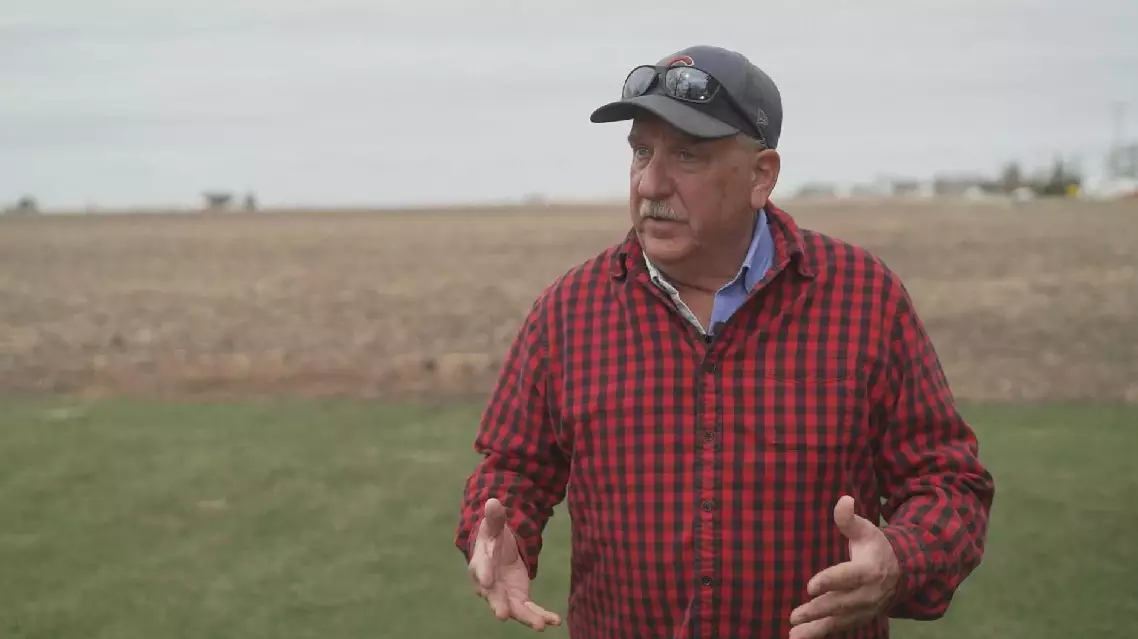
Soaring diesel, fertilizer costs hit US farmers