The Environmental Protection Agency on Thursday put on administrative leave 139 employees who signed a “declaration of dissent” with its policies, accusing them of “unlawfully undermining” the Trump administration's agenda.
In a letter made public Monday, the employees wrote that the agency is no longer living up to its mission to protect human health and the environment. The letter represented rare public criticism from agency employees who knew they could face blowback for speaking out against a weakening of funding and federal support for climate, environmental and health science.
Click to Gallery
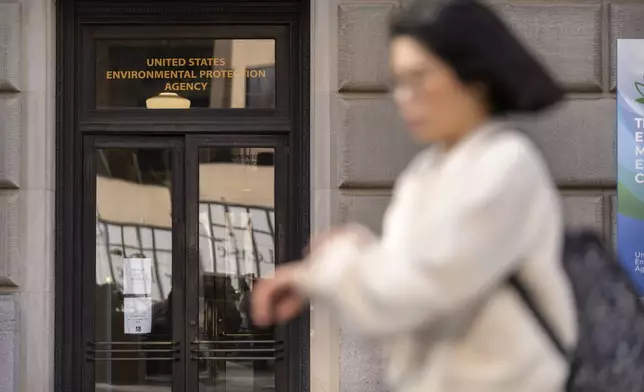
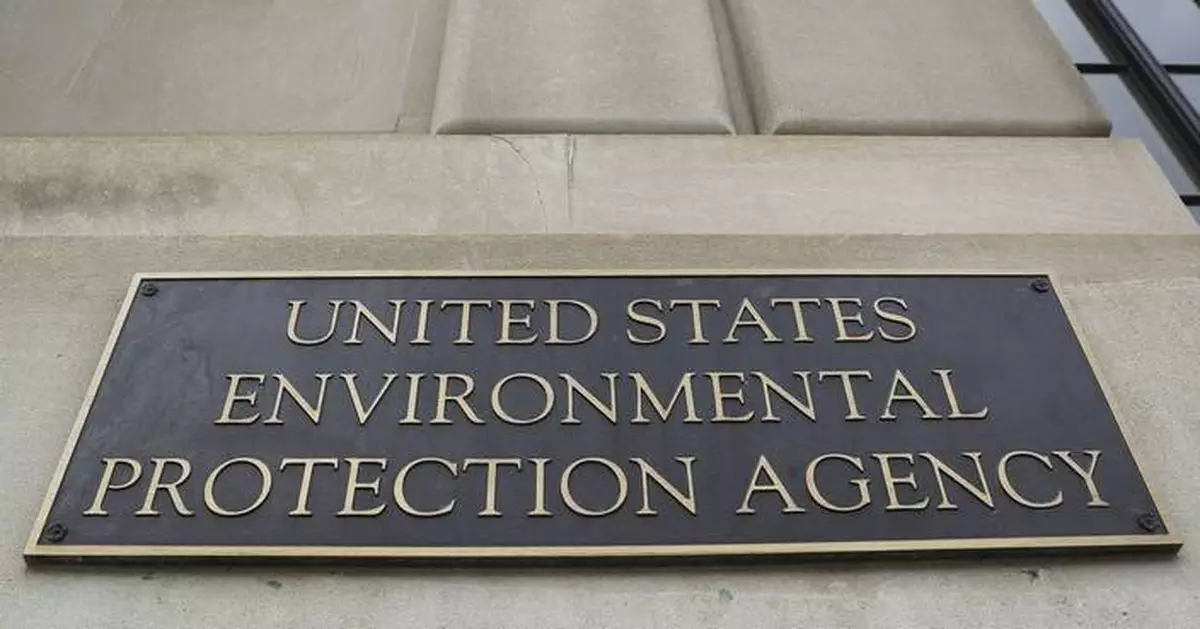
FILE - A person walks past the headquarters building of the Environmental Protection Agency, March 12, 2025, in Washington. (AP Photo/Mark Schiefelbein, File)
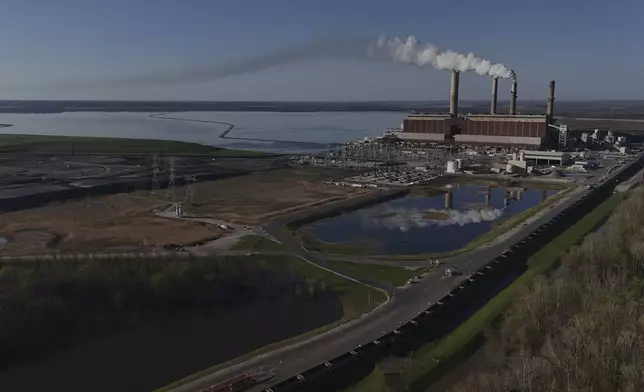
FILE - The Gibson Power Plant operates April 10, 2025, in Princeton, Ind. (AP Photo/Joshua A. Bickel, File)

FILE - Former Rep. Lee Zeldin, R-N.Y., President-elect Donald Trump's pick to head the Environmental Protection Agency, appears before the Senate Environment and Public Works Committee on Capitol Hill, Jan. 16, 2025, in Washington. (AP Photo/Mark Schiefelbein, File)

FILE - The Environmental Protection Agency (EPA) building is seen in Washington on Sept. 21, 2017. (AP Photo/Pablo Martinez Monsivais, File)
In a statement Thursday, the EPA said it has a “zero-tolerance policy for career bureaucrats unlawfully undermining, sabotaging and undercutting” the Trump administration’s agenda.
Employees were notified that they had been placed in a “temporary, non-duty, paid status” for the next two weeks, pending an “administrative investigation,” according to a copy of the email obtained by The Associated Press. “It is important that you understand that this is not a disciplinary action,” the email read.
More than 170 EPA employees put their names to the document, with about 100 more signing anonymously out of fear of retaliation, according to Jeremy Berg, a former editor-in-chief of Science magazine who is not an EPA employee but was among non-EPA scientists or academics to also sign.
Scientists at the National Institutes of Health made a similar move in June, when nearly 100 employees signed a declaration that assailed Trump administration “policies that undermine the NIH mission, waste public resources, and harm the health of Americans and people across the globe.” An additional 250 of their colleagues endorsed the declaration without using their names.
But no one at NIH has been placed on administrative leave for signing the declaration and there has been no known retribution against them, Jenna Norton, a lead organizer of the statement, told AP on Thursday. Norton oversees health disparity research at the agency’s National Institute of Diabetes and Digestive and Kidney Diseases.
NIH Director Jay Bhattacharya, in his confirmation hearings, had pledged openness to views that might conflict with his own, saying dissent is the “essence of science.”
Under Administrator Lee Zeldin, EPA has cut funding for environmental improvements in minority communities, vowed to roll back federal regulations that lower air pollution in national parks and tribal reservations, wants to undo a ban on a type of asbestos and proposed repealing rules that limit planet-warming greenhouse gas emissions from power plants fueled by coal and natural gas.
Zeldin began reorganizing the EPA’s research and development office as part of his push to slash its budget and gut its study of climate change and environmental justice. And he’s seeking to roll back pollution rules that an AP examination found were estimated to save 30,000 lives and $275 billion every year.
The EPA responded to the employees' letter earlier this week by saying policy decisions “are a result of a process where Administrator Zeldin is briefed on the latest research and science by EPA’s career professionals, and the vast majority who are consummate professionals who take pride in the work this agency does day in and day out.”
Follow Melina Walling on X @MelinaWalling and Bluesky @melinawalling.bsky.social.
The Associated Press’ climate and environmental coverage receives financial support from multiple private foundations. AP is solely responsible for all content. Find AP’s standards for working with philanthropies, a list of supporters and funded coverage areas at AP.org.
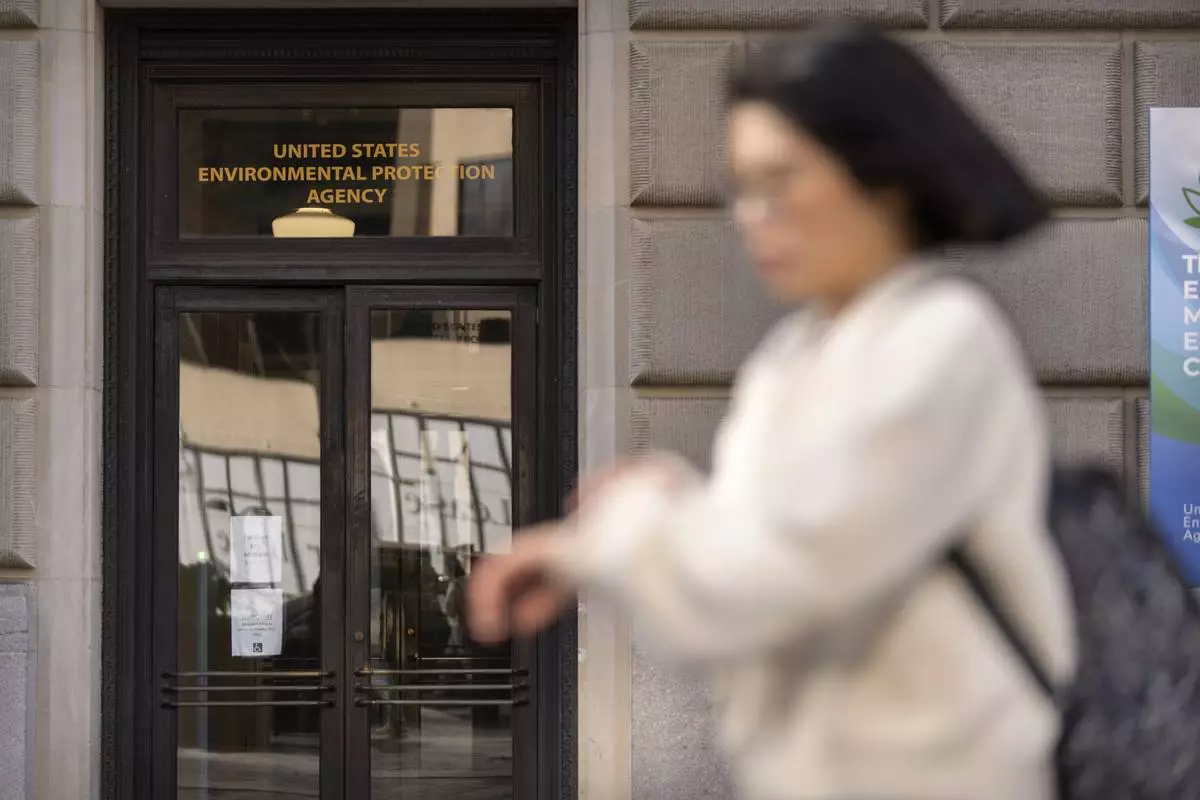
FILE - A person walks past the headquarters building of the Environmental Protection Agency, March 12, 2025, in Washington. (AP Photo/Mark Schiefelbein, File)
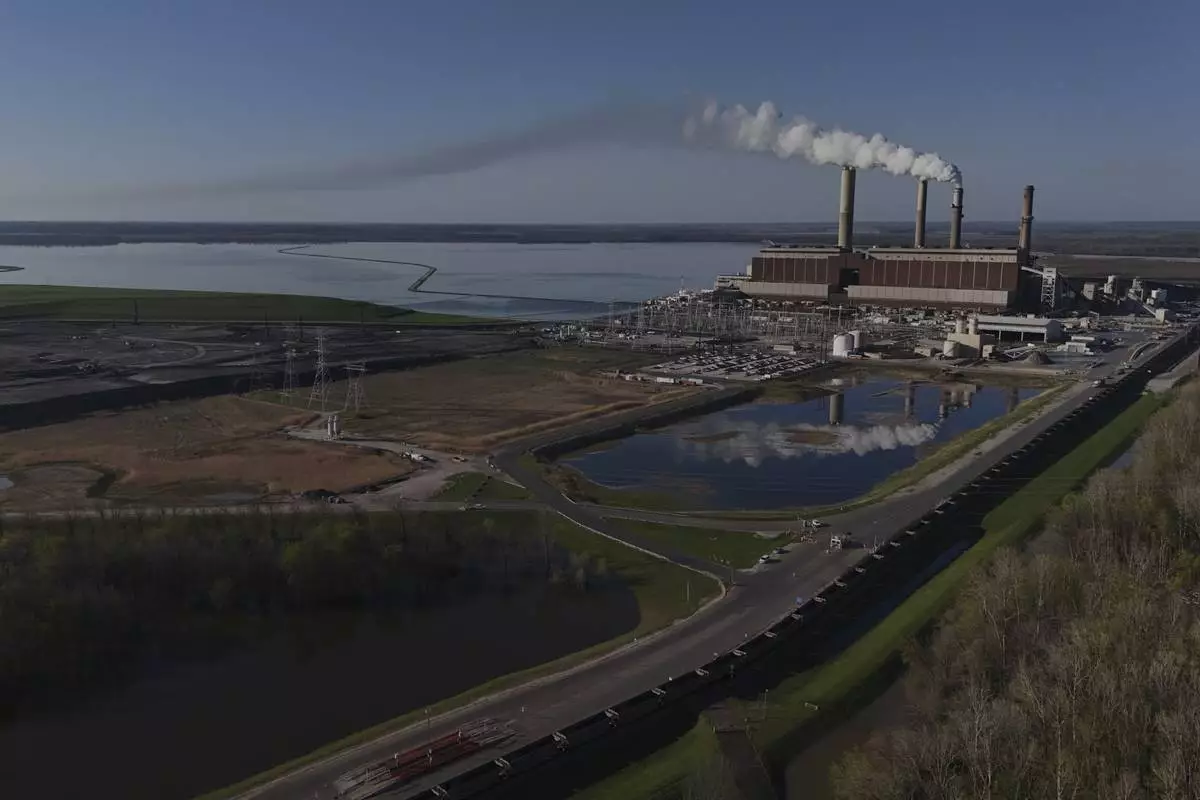
FILE - The Gibson Power Plant operates April 10, 2025, in Princeton, Ind. (AP Photo/Joshua A. Bickel, File)
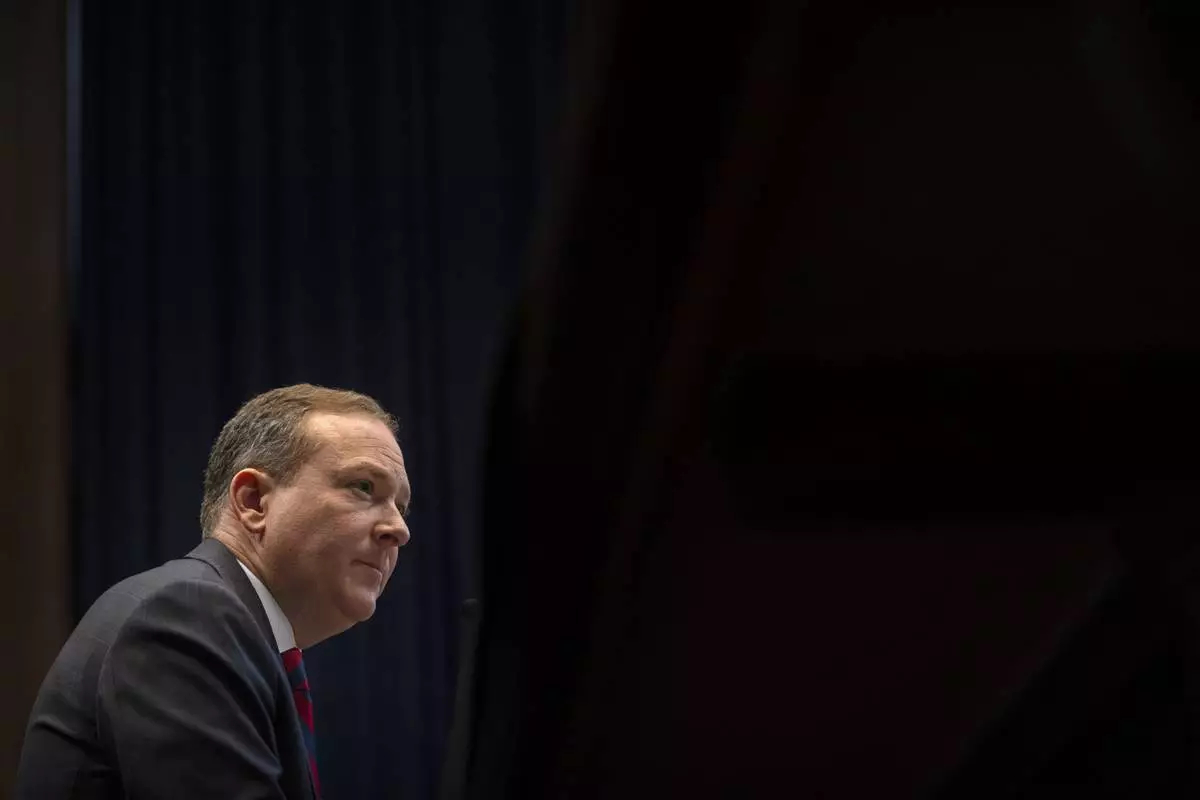
FILE - Former Rep. Lee Zeldin, R-N.Y., President-elect Donald Trump's pick to head the Environmental Protection Agency, appears before the Senate Environment and Public Works Committee on Capitol Hill, Jan. 16, 2025, in Washington. (AP Photo/Mark Schiefelbein, File)
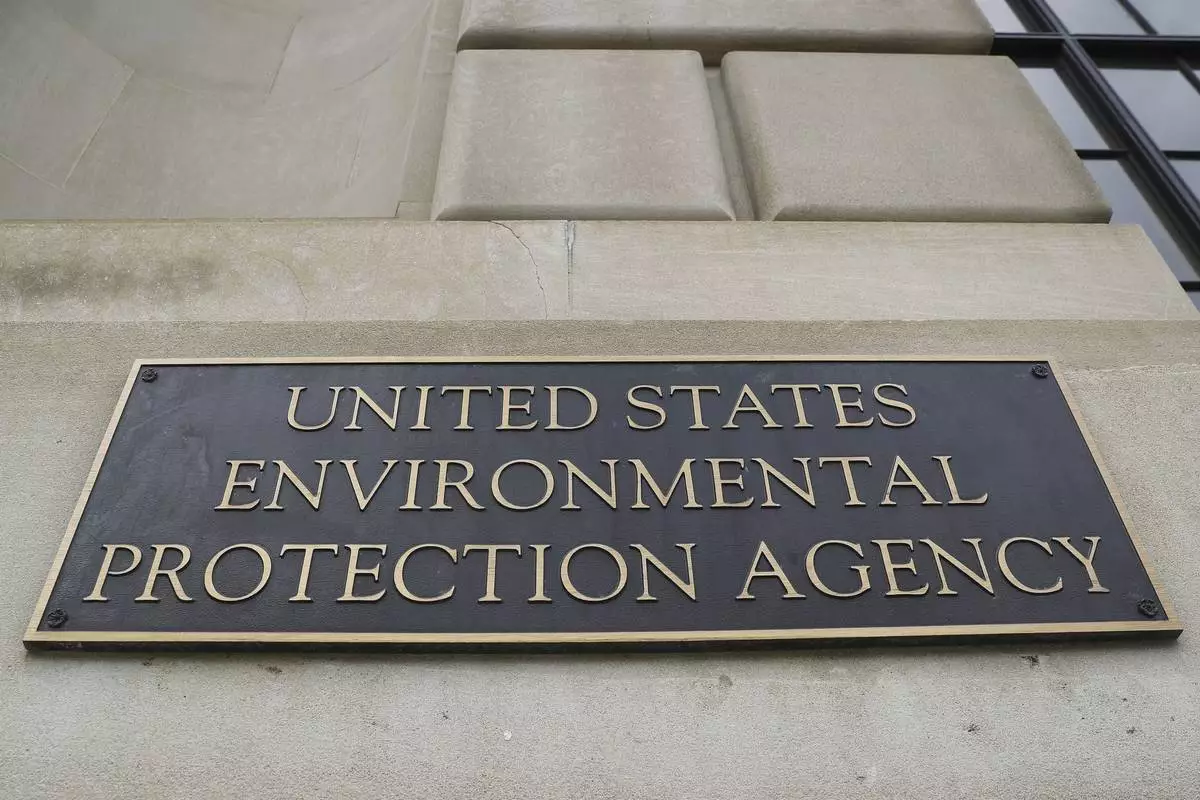
FILE - The Environmental Protection Agency (EPA) building is seen in Washington on Sept. 21, 2017. (AP Photo/Pablo Martinez Monsivais, File)