China is intensifying efforts to modernize its grain storage systems by adopting advanced green and smart technologies to reduce post-harvest grain losses as summer grain procurement reaches its peak.
According to the National Food and Strategic Reserves Administration, over 50 million tonnes of summer grain have already been purchased nationwide.
To address logistical and post-harvest challenges such as storage, transportation, and sales, state-owned enterprises like China Supply and Marketing Grain and Oil Co. have launched extensive procurement and transfer operations in key grain-producing provinces including Hubei, Jiangsu, and Anhui.
A total of 13 storage sites and 12 ports and logistics hubs are currently operating at full capacity, offering services such as grain drying and processing.
"With just a smart card, grain farmers can complete the entire process—from registration and quality inspection to weighing and settlement—efficiently and seamlessly. This greatly speeds up payment for farmers and maximizes the protection of their interests," said Mao Bei, a warehouse manager of Gaochun District Grain Purchasing and Marketing Group in Nanjing City of east China's Jiangsu Province.
Efforts are also being made to optimize how grain is stored, with smart, eco-friendly solutions taking center stage.
At the Guangdong Reserve Grain Dongguan Depot, a showcase of green grain storage technologies revealed a growing reliance on science and innovation to tackle post-harvest losses.
Technologies promoted by institutions such as the Academy of National Food and Strategic Reserve Administration and the National Engineering Research Center of Grain Storage and Logistics are now being deployed across the country.
The integrated application of multiple "green grain storage" technologies embodies the core objective of this initiative—leveraging technological innovation to reduce grain loss during storage. According to statistics from the UN Food and Agriculture Organization, approximately 14 percent of global food production is lost across the supply chain from farm to retail. A mere one percent reduction in this loss would translate to an additional 27 million tons of food—enough to feed 70 million people for a year.
"In the field of green grain storage technologies and equipment, China leads in several specialized areas. By integrating these technologies, we create a synergistic effect, allowing us to better serve the goal of reducing post-harvest grain losses," said Zhang Zhongjie, director of Grain Storage and Transportation Research Institute, Academy of National Food and Strategic Reserve Administration.
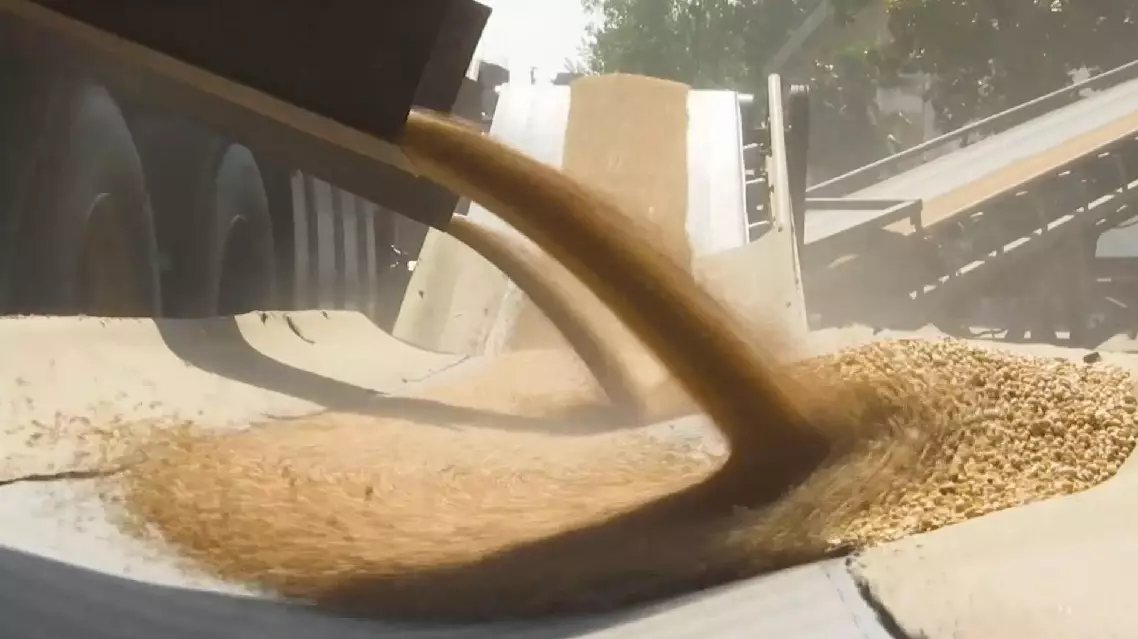
China accelerates smart tech adoption to safeguard grain storage