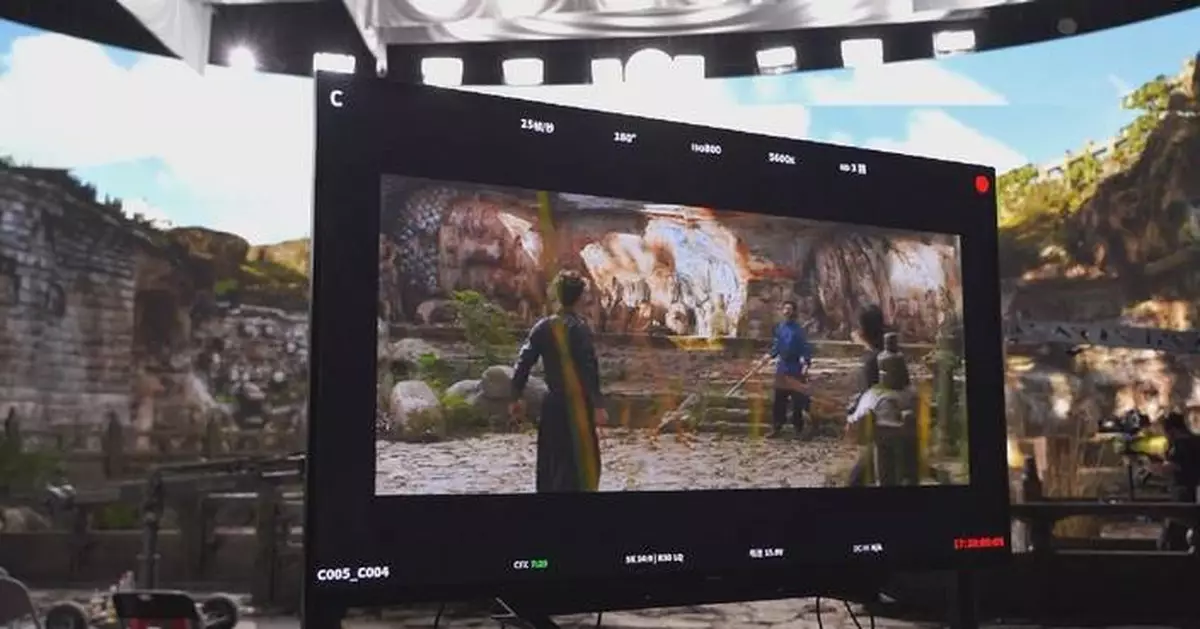
The ongoing 2025 SCO (Shanghai Cooperation Organization) Film Festival, held in southwest China's Chongqing City, is creating new avenues for cultural exchange among SCO nations, unleashing fresh opportunities for cinematic cooperation.
The five-day film festival, which opened on Wednesday, is held to celebrate the 130th anniversary of world cinema and the 120th anniversary of Chinese cinema. It also marks the first international cinematic exchange platform under the SCO framework, focusing on film and technology.
The festival screens 28 outstanding films from SCO member states. It presents 10 Jinshancha (Golden Camellia) Awards, selected from 20 entries submitted by 10 SCO members, with the winners to be announced at the closing ceremony on Sunday.
For many directors attending the festival, the opportunity to showcase their works in China, a massive film market, is a source of great anticipation.
"I have attended many international film festivals, but I have never seen one of this scale. I am the director of the film The Three of Us, a romantic comedy shot in the Ural Mountains. Of course, I am truly honored to have the opportunity to screen this film in China," said Aleksandra Sarana, a Russian film director.
The SCO Film Festival also features key events, including forums on the film market and cooperation, which promote cultural exchange and industry collaboration among global film professionals.
"For us, this is a tremendous opportunity to connect, share experiences and gain new experiences and knowledge," said Alesya Rulkova, Executive Director of the Minsk International Film Festival "Listapad."
"We all know how challenging it is to enter the Chinese market, but if successful, it would be a tremendous boost to the image of both the country and the film itself," said Akzholtoi Bekbolotov, Director of the Tolomush Okeev Kyrgyzfilm Film Studio.
Additionally, aligning with recent trends such as "travel inspired by films" and "culinary journeys through cinema," the host city of Chongqing will organize various parallel events during the festival to boost consumption, including film-themed consumer promotion activities, summer film showcases, cinematic tourism campaigns, and drone shows.
"Through this marketplace, we hope to integrate cultural, commercial, tourism, and sports resources across the entire event," said Hu Yue, chief planner of a film technology exhibition and a consumption carnival during the festival.
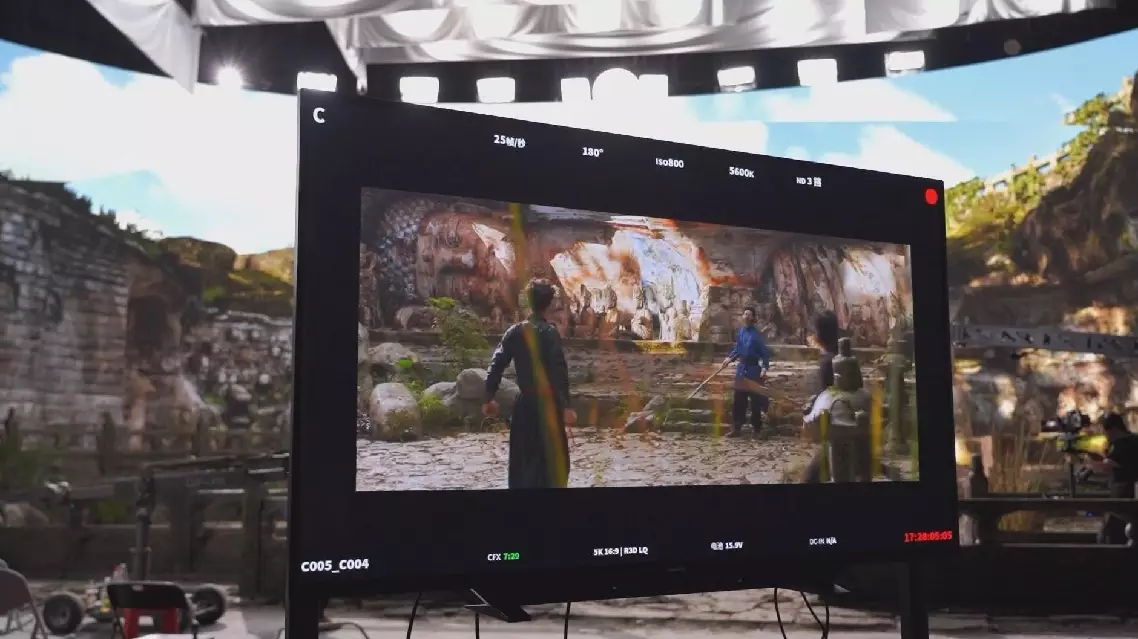
SCO Film Festival facilitates more cultural exchange, film cooperation opportunities
The Iranian government is focusing on public concerns and maintaining stable supplies of essential goods amid recent protests, Iranian President Masoud Pezeshkian said in a televised interview on Sunday.
In the city of Karaj, northwest of the capital Tehran, daily life has largely continued as normal. A video filmed by a local resident on Sunday shows food stores open and grocery shelves fully stocked.
"This is the block near my home, and there are some food stores here. Daily life continues here. Last night we did not see many protests in Karaj. Right now the city is very safe. This is a grocery store close to my home. All the food is available; nothing is in shortage. Here are noodles and different types of beans. Here are dairy products, cheese, and yogurt. I also checked other grocery stores and didn't see any shortages. Everything is available," said local resident Ali Reza.
Iranian officials have described recent disturbances as acts orchestrated by the "enemy," including some carried out by well-trained and armed "terrorists." The incidents have caused casualties among security personnel and civilians, as well as property damage.
The Secretary of Iran's Supreme National Security Council Ali Larijani has directed authorities to severely punish the "terrorists."
Meanwhile, Iran's police chief Ahmad-Reza Radan said on Sunday that the police had raised alert levels and arrested several leaders of the troublemakers during the operations on Saturday.
President Pezeshkian noted in the interview that the normal demands of the Iranian people are reasonable and justified, but they must realize that triggering riots and carrying out terrorist acts are the enemy's attempts to undermine the country. He urged the public to remain vigilant.
Also on Sunday, Iranian Parliament Speaker Mohammad Baqer Qalibaf warned that Tehran would regard U.S. and Israeli bases and facilities in the Middle East as "legitimate targets" if Washington takes military action against Iran. His remarks followed media reports saying U.S. President Donald Trump is "seriously considering authorizing a strike" against Iran.
Iranian state media reported that at least 109 members of Iran's security forces have been killed in clashes since the protests began 14 days ago. Meanwhile, human rights groups based outside the country said the number of protesters killed has exceeded 200, though the figure could not be independently verified.
The protests initially erupted over a sharp depreciation of the rial and sweeping subsidy reforms. Iranian authorities have blamed the unrest on foreign-linked agents and sanctions imposed by the United States.
Iranian president says government focusing on ensuring supplies amid protests