
Ethiopian coffee exporters are set to see greater access to the world's second-largest economy following the announcement of China's zero-tariff treatment for nearly all goods from the country.
The announcement was made in June during the China-Africa Trade and Economic Cooperation Forum in Changsha, capital of central China's Hunan Province. It marks the expansion of a zero-tariff policy rolled out last year for the 33 least developed African nations to now include 20 additional countries from the continent.
Tracon Trading is one of Ethiopia's leading coffee exporters. For years, they've been shipping specialty beans across the globe. But China's move to lift tariffs has opened an even bigger door.
"It will make our coffee very competitive in China's market. If you think about it, let's say, Brazil coffee or Colombia coffee, which are the main competitors for our coffee, their duty in China is above eight percent. So Ethiopia [tariff] is coming to zero, it will make our coffee very competitive and to sell more volume of coffee in China's market because it's affordable to our clients, it's affordable to the consumers. Due to that, Ethiopia coffee is one of the famous brands [of] coffee all over China nowadays. So it's really, really good news what the (Chinese) government has done for us," said Seid Omer, Managing Director of Tracon Trading.
For years, Ethiopian coffee has been prized globally for its unique aroma and heritage, but stiff tariffs often slowed its momentum in Asian markets.
Now, Chinese demand for Ethiopian coffee is soaring, and with Latin American coffee prices on the rise, traders in Beijing and Shanghai are turning toward Africa's original bean.
"Coffee from Brazil and Colombia has been rising in price rapidly. But we Chinese all know that Ethiopia is the origin of coffee. Combined with the strong and friendly relationship between China and Ethiopia, in the coming year, many Chinese coffee factories and traders are expected to purchase large quantities of coffee from Ethiopia," said a Chinese coffee trader named Wang Jinfeng.
Behind this open trade policy is a broader strategic alignment. As Ethiopia joins BRICS, its government sees the tariff exemption not only as economic relief but as an opening to build sustainable, long-term access to key markets like China.
"With China's high market demand, especially for agricultural products like oil crops, previous trade restrictions are gradually being lifted. Through this zero-tariff agreement, we aim to secure long-term, sustainable access to the Chinese market. Our focus will be on strengthening trade relations with China and building a reliable export pathway," said Tsadik Tasew, a trade relations expert at the Ethiopian Ministry of Trade and Regional Integration.
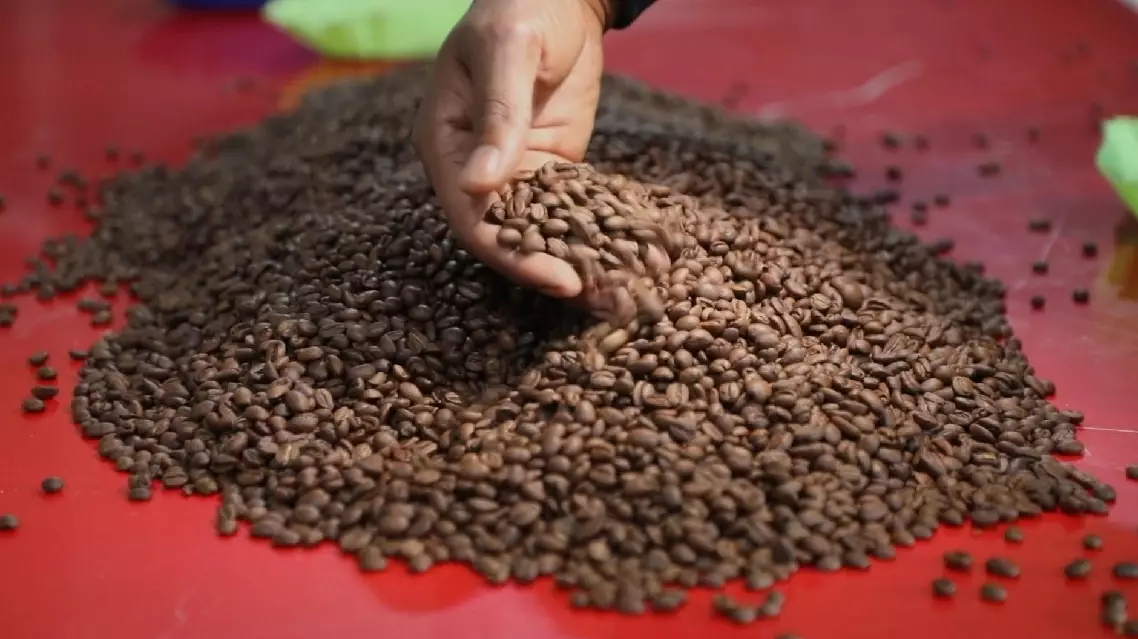
Ethiopia's coffee ready to take bigger market in China thanks to zero tariff treatment