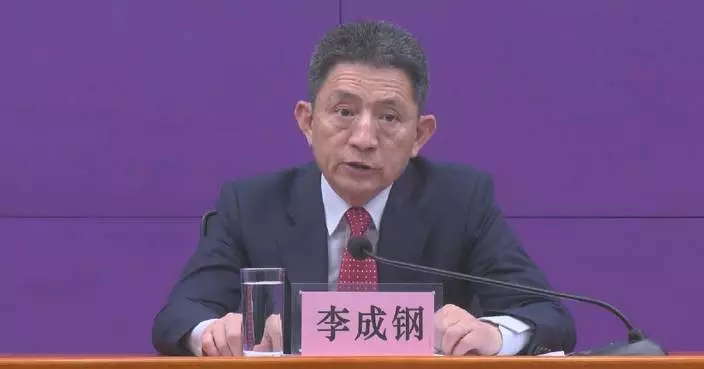
Chinese President Xi Jinping on Monday called for passing on the great spirit of resisting aggression from generation to generation while inspecting Yangquan City of north China's Shanxi Province.
Xi, also general secretary of the Communist Party of China (CPC) Central Committee and chairman of the Central Military Commission, visited a monument there honoring Chinese soldiers who fought and scarified their lives in the Hundred-Regiment Campaign, a major campaign in the Chinese people's war of resistance against Japanese aggression (1931-1945) during World War II.
Click to Gallery
Xi calls for passing on great spirit of resisting aggression from generation to generation
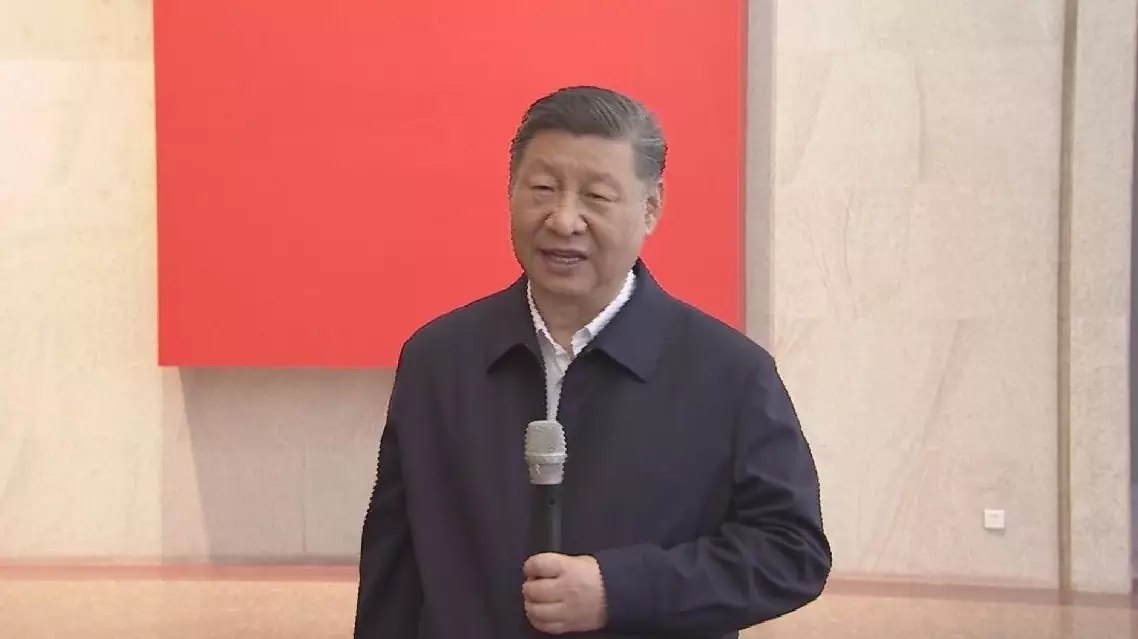
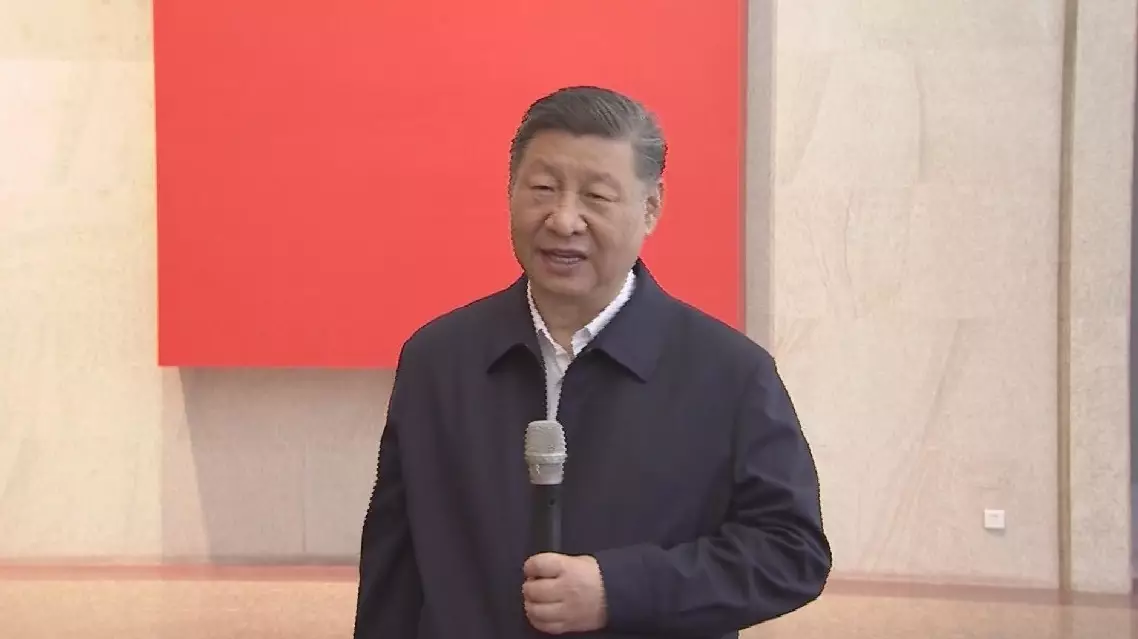
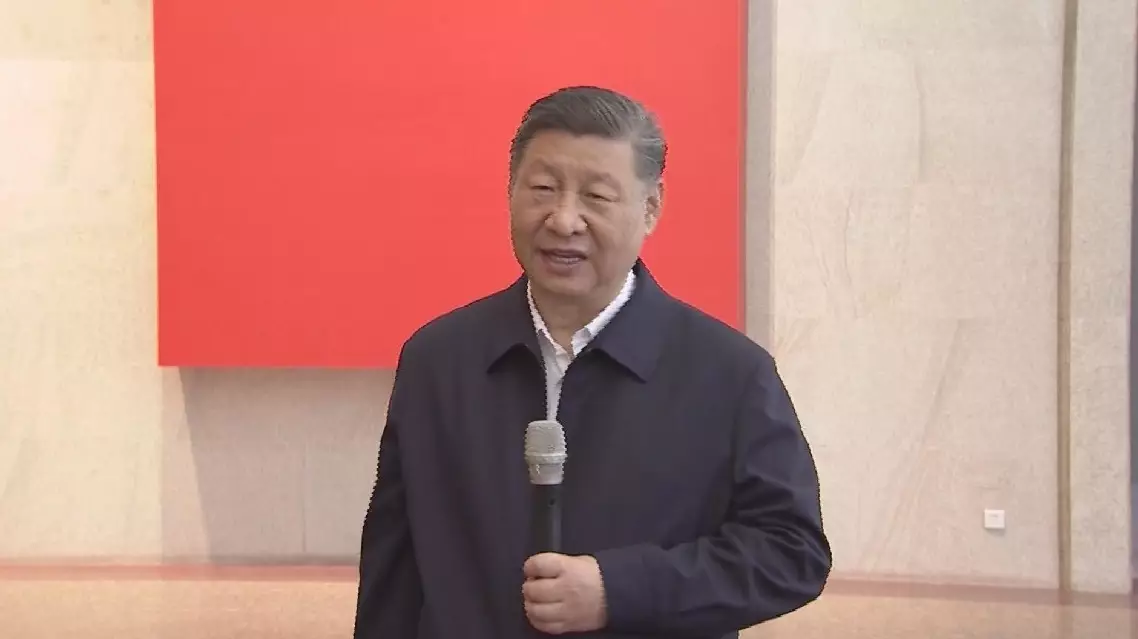
He laid a floral basket at the square to pay tribute to the martyrs.
Xi then visited the memorial hall commemorating this major campaign. He reviewed the history of the CPC leading both the military and civilians in the courageous fight against Japanese invaders, and learned about local efforts to carry out revolutionary history education and promote the great spirit of resisting aggression.
Xi underscored that the Hundred-Regiment Campaign was a historical feat which demonstrated the mighty force of the people's war, calling for passing on the spirit of resisting aggression from generation to generation.
While speaking to the young students and staff at the memorial hall, Xi urged the young people to carry forward the revolutionary traditions, set ambitious goals, and shoulder the responsibility of realizing national rejuvenation.
"Our hope is placed on you and the future belongs to you. I hope each of you will study diligently, strive hard, and be an upright and proud Chinese," he told the youngsters in the crowd.
Lasting from August 1940 to January 1941, the Hundred-Regiment Campaign was the largest and longest strategic offensive launched by the Eighth Route Army in north China since the start of the Party-led people's war of resistance against Japanese aggression. It saw about 200,000 troops from 105 regiments engaging in battles against the invaders.
Xi calls for passing on great spirit of resisting aggression from generation to generation




International guests who have dedicated their lives to historical truth joined China's 12th national memorial event honoring the hundreds of thousands of victims killed by Japanese troops in the Nanjing Massacre during World War II.
The memorial was held on Saturday at the public square of the Memorial Hall of the Victims in Nanjing Massacre by Japanese Invaders in Nanjing, capital of east China's Jiangsu Province. China's national flag was flown at half-mast in the presence the crowd that included survivors of the massacre, local students, and international guests.
In one of the most barbaric episodes during WWII, the Nanjing Massacre took place when Japanese troops captured the then-Chinese capital Nanjing on Dec 13, 1937. Over the course of six weeks, they proceeded to kill approximately 300,000 Chinese civilians and unarmed soldiers.
Joining the crowd was Christoph Reinhardt, the great-grandson of John Rabe (1882-1950) who was then a representative of German conglomerate Siemens in the war-ravaged Nanjing. During the Nanjing Massacre, Rabe set up an international safety zone with other foreigners, and they together saved the lives of around 250,000 Chinese people between 1937 and 1938 from the Japanese invaders.
Throughout the massacre, Rabe continued to keep a diary. To this day, all his pages remain one of the most comprehensive historical records of the atrocities committed by the Japanese aggressors.
Sayoko Yamauchi, who was also in the crowd of mourners, arrived in Nanjing on Friday from Japan's Osaka to attend Saturday's ceremony, just as she has done almost every year since China designated Dec 13 as the National Memorial Day for the Victims of the Nanjing Massacre in 2014.
Yamauchi's grandfather was one of the Japanese soldiers who invaded Nanjing in January 1938. However, since first setting foot in Nanjing in 1987, she has dedicated herself to uncovering and spreading the truth about Japan's history of aggression and enlightening the Japanese public about their country's wartime atrocities.
In 2014, ahead of China's first National Memorial Day for the Victims of the Nanjing Massacre, Yamauchi, along with 10 other individuals, received an award for her special contribution to the Memorial Hall of the Victims in the Nanjing Massacre by Japanese Invaders.
By attending the grand memorial event, Reinhardt and Yamauchi both said they hope to convey a message of remembering history and cherishing peace.
"This is my fifth visit to China, and Nanjing, and the third times I visited the ceremony. I have a wish that these survivors survive again and again and again. But my other wish is that the families of the survivors, that they transport the information, the right intention like their ancestors, because anyone must hold a hand (during) this remembering," Reinhardt told China Central Television (CCTV) in an interview before the event began on Saturday.
"Our delegation is on its 20th visit to China, coming to Nanjing to express our heartfelt condolences to those who perished 88 years ago, to remember this history, and to reflect on what we can do for a new future. That's why we are here," Yamauchi told CCTV on board the bus that took her to a local hotel in Nanjing on Friday evening.
Int'l guests call for remembering history at China's national event honoring Nanjing Massacre victims