Skip to Content Facebook Feature Image

US tariffs to harm Japanese economy, global auto industry: experts

China

China

China

US tariffs to harm Japanese economy, global auto industry: experts

2025-07-12 16:36 Last Updated At:17:07

The new tariff threats on Japan from U.S. President Donald Trump will pose heavy pressure on the Japanese economy and the entire automobile industry, said experts from different countries.

Earlier in July, Trump announced tariffs ranging from 25 percent to 40 percent on 14 countries. The new tariffs will take effect on Aug. 1.

Japanese exports to the U.S. will incur 25 percent tariff according to the announcement. Prime Minister Shigeru Ishiba said the levies would have an impact on the country, but stressed that negotiations continue.

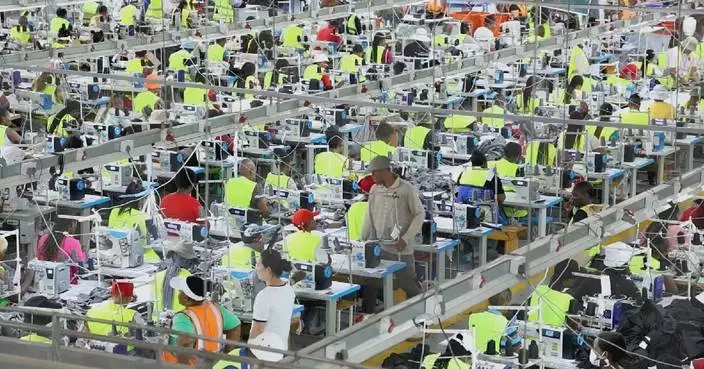
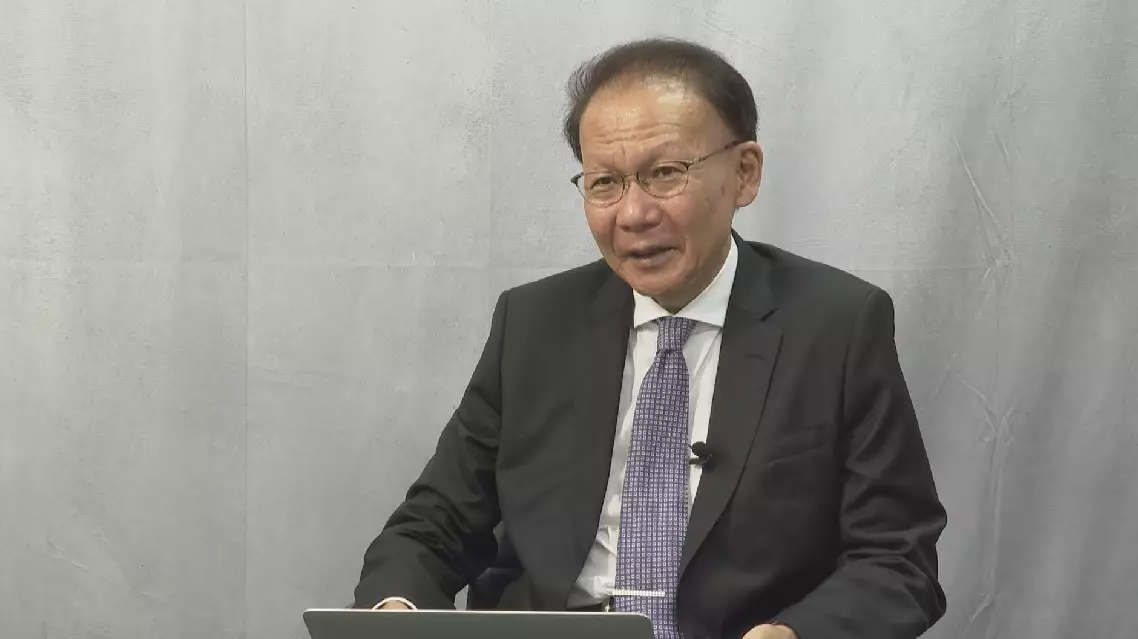
Hidetoshi Tashiro, chief economist of Japan's Infinity LLC, underscored that foreign trade is an important pillar of Japan's economy, and as such the high tariffs proposed by Trump may cause a serious blow to Japan's economy.

"Once the 25-percent tariff is widely applied to other categories of goods, it will be a fatal blow to manufacturers in almost all industrial fields in Japan. In fact, this impact has already begun to appear. At present, many small and medium-sized enterprises that produce parts for large companies have lost orders. The problem is no longer 'may happen', but 'is happening'. This will have a devastating impact on Japan's overall economy," he said.

The Cabinet Office of Japan recently released the economic trends index for May, which showed that after seasonal adjustment, Japan's real GDP in the first quarter of 2025 fell by 0.2 percent month on month and 0.7 percent year on year. This is the first time in four quarters that Japan's GDP has shown monthly decline.

Jenny Town, senior fellow and director of the U.S.-based Stimson Center think tank, said in an interview that the trade policy is also linked to the defense projects between Japan and US.

"There's also enormous pressure on the defense side as well, and so I think both countries are now looking at this as more of a comprehensive package that includes defense interests, as well as trade interests, as well as sort of alliance management," she said.

Peter Holdmann, a management board member of ZF Group, a tech company in Germany, said the tariffs will also affect the U.S. market and the auto industry as a whole.

"We are skeptical at this point. The tariffs will only drive up car prices in north America, in the U.S. market in particular. The rising price will lead to a decline in sales. The main disadvantage of the entire tariff policy is that the production of automobiles will decrease. When the production decreases, we as suppliers can only reduce the supply of parts. The entire automobile industry will eventually be affected," Holdmann said.
US tariffs to harm Japanese economy, global auto industry: experts

US tariffs to harm Japanese economy, global auto industry: experts

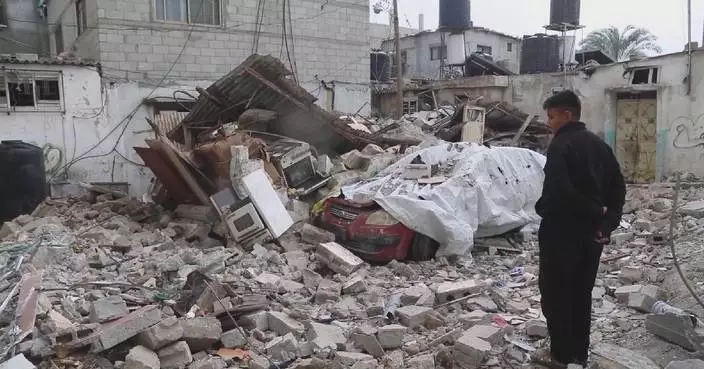
A major port in northern Venezuela came under U.S. airstrikes in the early hours of January 3, which caused extensive damage to civilian infrastructure, destroyed critical medical supplies in a warehouse, and severely impacted centuries-old cultural heritage sites, according to local residents.

The La Guaira Port, a vital hub for imports that support daily life in the region, was heavily damaged during the attack.

Large quantities of medical supplies stored at the port were destroyed. A historic cultural building dating back for some 300 years was also badly damaged by the bombardment.

Residents living near the port recalled the terrifying scenes as explosions shook nearby neighborhoods.

Humberto Bolivar, who lives in a community separated from the port by only a main road, said the blast waves shattered his home's windows, while stray shrapnel struck the water tank on his roof. According to reports, three missiles were fired at the port that night.

Bolivar said that beyond material losses, he is most concerned about the psychological impact on his children, who remain too frightened to leave their home days after the attack.

"The United States invaded our country. The children were frightened. This is not good for them, because it leaves some children with psychological trauma. They do not want to go to school or leave the house, because they are afraid that something worse might happen. We truly do not want this to happen to our country," he said.

Apart from civilian facilities, local cultural heritage site was also affected.

The La Guaira state government building, a structure with nearly 300 years of history and once served as the site of Venezuela's first national customs office, was struck by the force of the explosions.

Windows of the building were shattered, and furniture scattered across the floor.

"As people of La Guaira, we feel deep pain. Our cultural heritage has been bombed. We are living in constant anxiety and suffering, and life can no longer be the same as it was before," said a local named Henry Cumares.

The U.S. side has claimed the airstrikes targeted warehouses allegedly used to store narcotics. However, locals refuted such accusation.

"According to what Donald Trump said, they bombed this place using the excuse that the warehouses here were used to store drugs at the port. But based on the video released by our governor, these warehouses that were burned contained medicine for kidney patients and foods. Many people depend on these supplies to survive. I think the bombing is extremely despicable," said a local resident named Alejandro Capriles.

US strike hits Venezuelan port, wrecking medical supplies, heritage building

US strike hits Venezuelan port, wrecking medical supplies, heritage building

Recommended Articles