SAN JUAN, Puerto Rico (AP) — In a small bookstore in the Caribbean's largest mall, dozens of people gathered on a recent evening for the launch of a slim dictionary. Its title is “The ABC of DtMF,” which is short for “DeBÍ TiRAR MáS FOToS,” the newest album from Puerto Rico's latest prodigious son, Benito Antonio Martínez Ocasio, better known as Bad Bunny.
The mostly older crowd flipped through the pages, seeking to understand more about Puerto Rico's culture, the places, phrases and references in Bad Bunny's music.
Click to Gallery
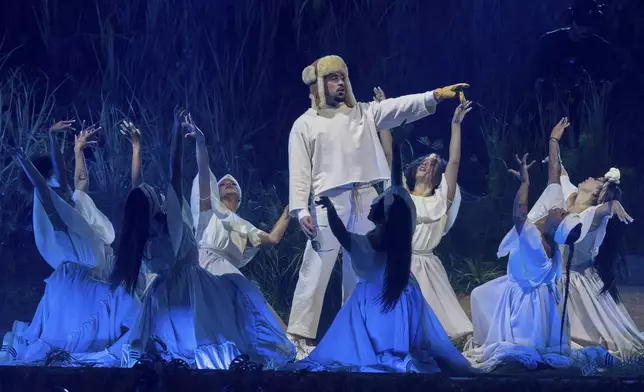
Bad Bunny performs during his first show of his 30-date concert residency at the Coliseo de Puerto Rico José Miguel Agrelot, in San Juan, Puerto Rico, Friday, July 11, 2025. (AP Photo/Alejandro Granadillo)
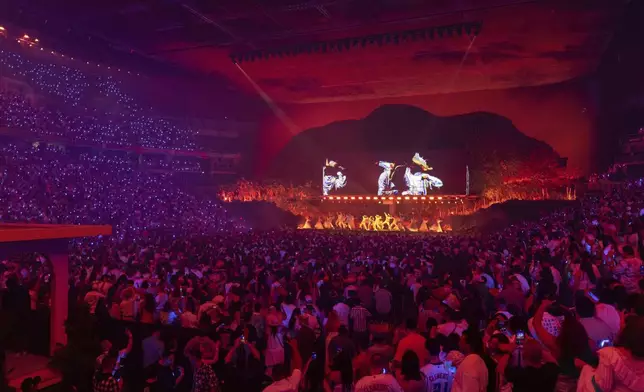
Bad Bunny performs during his first show of his 30-date concert residency at the Coliseo de Puerto Rico José Miguel Agrelot, in San Juan, Puerto Rico, Friday, July 11, 2025. (AP Photo/Alejandro Granadillo)
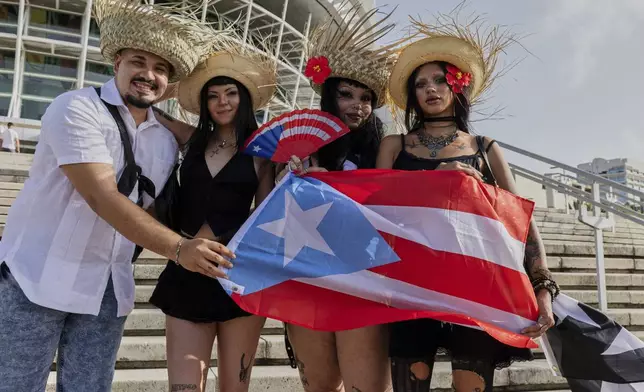
Bad Bunny fans pose for a photo before attending the first show of his 30-date concert residency at the Coliseo de Puerto Rico Jose Miguel Agrelot in San Juan, Puerto Rico, Friday, July 11, 2025. (AP Photo/Alejandro Granadillo)
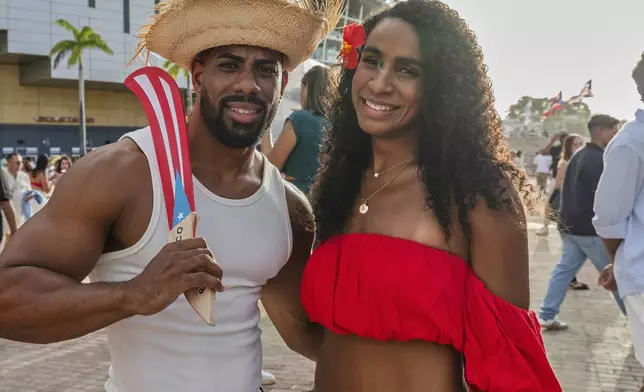
Bad Bunny fans pose for a photo before attending his first show of the 30-date concert residency at the Coliseo de Puerto Rico Jose Miguel Agrelot in San Juan, Puerto Rico, Friday, July 11, 2025. (AP Photo/Alejandro Granadillo)
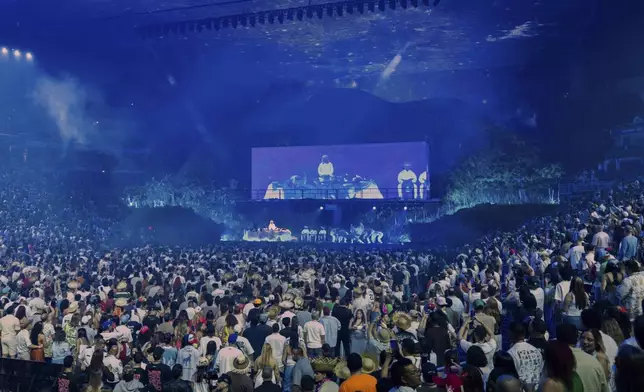
Fans attend the first show of Bad Bunny's 30-date concert residency at the Coliseo de Puerto Rico Jose Miguel Agrelot in San Juan, Puerto Rico, Friday, July 11, 2025. (AP Photo/Alejandro Granadillo)
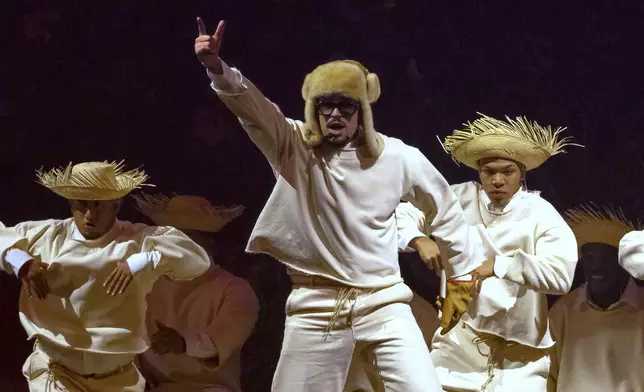
Bad Bunny performs during his first show of his 30-date concert residency at the Coliseo de Puerto Rico José Miguel Agrelot, in San Juan, Puerto Rico, Friday, July 11, 2025. (AP Photo/Alejandro Granadillo)
The singer has elevated the global profile of the island, a U.S. territory, to new heights, promoting its traditional music, denouncing its gentrification and challenging its political status.
It was an unexpected opportunity for an island that for years has cried out about its territorial status, dwindling affordable housing, high cost of living, chronic power outages, medical exodus and fragile economy. Pleas for change have been largely pushed aside, but Puerto Ricans are optimistic that Bad Bunny’s new album and his series of 30 concerts that began Friday means they’ll finally be heard.
“He’s going to bring change, and there’s a young generation who’s going to back him,” said Luis Rosado, 57, who this week attended the dictionary launch at the urging of his son, who lives abroad.
Ten minutes before the first concert on Friday, a giant billboard on stage lit up with the words, “Puerto Rico is a colony since Christopher Columbus ‘discovered’ the island during his second trip to the New World in 1493.”
The crowd that filled the 18,000-capacity coliseum whooped.
“This album has sparked a conversation around the world about our situation as a colony,” said Andrea Figueroa, a 24-year-old professional athlete who said foreigners have started to ask her about Puerto Rico and its issues, something she hopes might lead to change.
Those born on the island of 3.2 million inhabitants are U.S. citizens but cannot vote in U.S. presidential elections, and they have one representative in Congress with limited voting powers.
Figueroa said the album resonated with her because her father is one of thousands forced to leave the island in search of work as the economy crumbled. It’s a sentiment Bad Bunny sings about in “What happened to Hawaii,” with the lyric, “He didn’t want to go to Orlando, but the corrupt ones kicked him out.”
The song taps into concern that the Puerto Rican identity is eroding amid an influx of people from the U.S. mainland, many of them attracted by a 2012 law that allows Americans to move to the island and pay no taxes on capital gains if they meet certain conditions.
Hundreds of Americans also snapped up properties in Puerto Rico after Hurricane Maria struck the island as a powerful Category 4 storm in 2017, forcing more than 100,000 people to leave.
“They want to take the river away from me and also the beach; they want my neighborhood and the grandma to leave,” Bad Bunny sang on Friday as the crowd drowned out his voice.
The artist spent half of Friday’s concert singing from the porch and roof of a traditional Puerto Rican home that served as a second stage, where he wonders about its fate aloud because it’s been rented: “Do good people live there? Is it an Airbnb?”
The mostly young crowd booed loudly, flinching at their reality on an island where the housing price index increased by almost 60% from 2018 to 2024 and where short-term rentals have surged from some 1,000 in 2014 to more than 25,000 in 2023.
However, they cheered upon seeing Los Angeles Lakers superstar LeBron James emerge from the house as a surprise guest.
The song hit Carmen Lourdes López Rivera especially hard. She is the vice president of the Community Board Association of La Perla, an impoverished community once known for being Puerto Rico’s biggest heroin distribution point.
Investors with deep pockets have long sought to buy up the area, which is perched on a hill with deep turquoise waters lapping below a massive 16th-century fort popular with tourists.
“They have always said they want to kick us out of here,” she said. “We’re going to fight for what belongs to us.”
The effect of Bad Bunny’s album and concerts is already being felt.
More than 35,000 hotel nights have been booked during the normally slow summer season, with the concerts expected to attract more than 600,000 visitors, generate more than $186 million and create more than 3,600 jobs, according to government officials.
Beyond that, Bad Bunny’s use of folkloric music like bomba and plena has revived interest in those musical traditions. Dozens of newcomers have requested classes and are seeking out teachers, said Jorge Gabriel López Olán, 28, an experienced drummer.
“And it’s very necessary, isn’t it? To understand where we come from and where our music and culture come from,” he said.
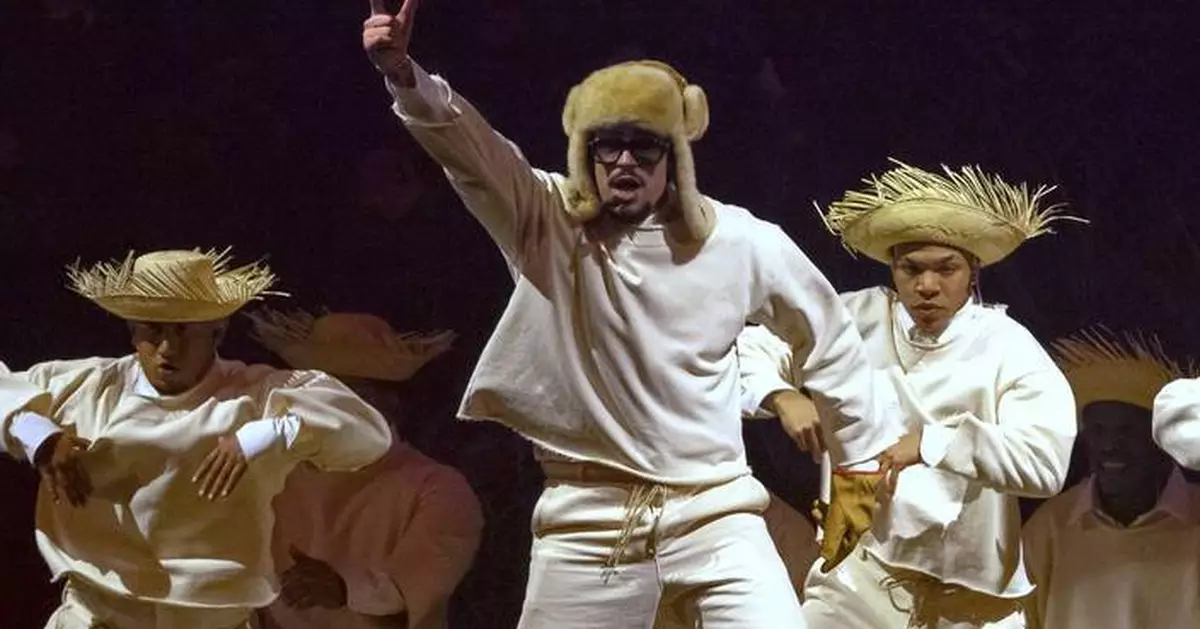
On Friday, Bad Bunny fans sported long ruffled skirts traditionally worn to dance bomba, while others donned straw hats known as a “pava,” worn by “jíbaros,” Puerto Rican peasants. Musicians and dancers wore the same outfits on the main stage, which at one point even featured live chickens.
Interest has surged to the point where universities including Princeton and Yale have launched courses on Bad Bunny. Albert Laguna, a Yale professor, described Bad Bunny’s residence as a powerful move: “Instead of me going to the world, right, I’m going to start here.”
There is even renewed interest in the Puerto Rican crested toad, the island’s sole indigenous toad species that is under threat and was featured in a video as part of Bad Bunny’s newest album.
Not even two weeks had passed since the album’s launch and people already were sending in pictures to confirm if they had spotted the crested toad, said Abel Vale Nieves with Citizens of the Karst, an environmental nonprofit.
“It’s something we had not seen before,” he said, adding that the album presented Puerto Rico’s reality to the world: “A situation of complete disadvantage where we don’t have the right to a lot of things.”
“It creates interest in Puerto Rico’s historical situation, and I think it did so in a wonderful way,” he said, adding that the concerts will only boost visibility of the island’s issues. “It’s a beautiful opportunity.”
Associated Press music reporter Maria Sherman in New York contributed.
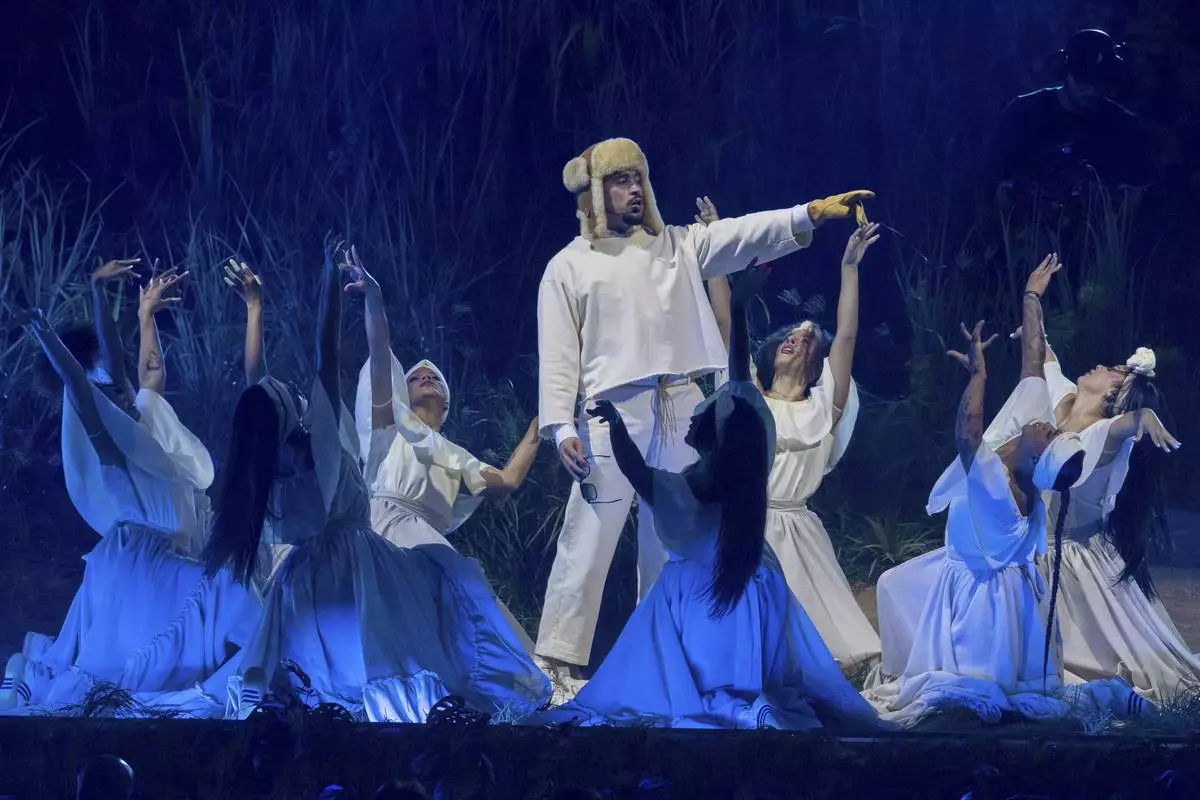
Bad Bunny performs during his first show of his 30-date concert residency at the Coliseo de Puerto Rico José Miguel Agrelot, in San Juan, Puerto Rico, Friday, July 11, 2025. (AP Photo/Alejandro Granadillo)
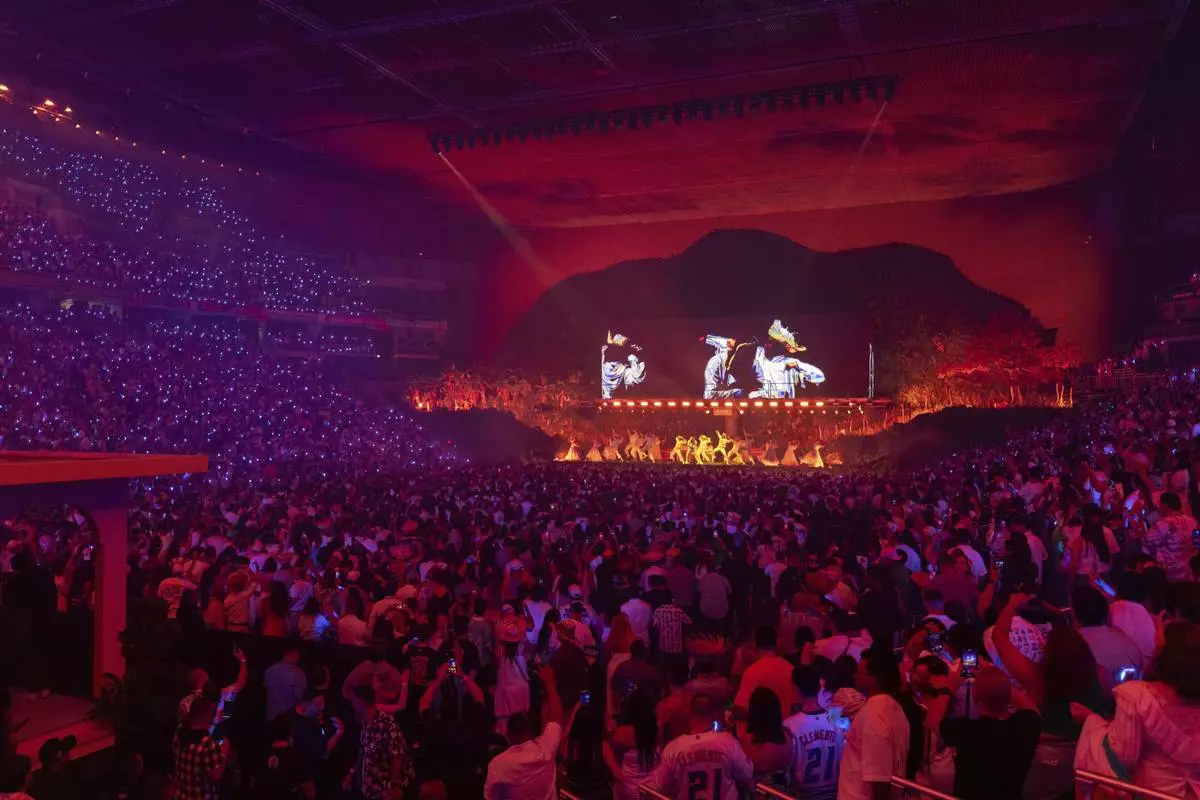
Bad Bunny performs during his first show of his 30-date concert residency at the Coliseo de Puerto Rico José Miguel Agrelot, in San Juan, Puerto Rico, Friday, July 11, 2025. (AP Photo/Alejandro Granadillo)
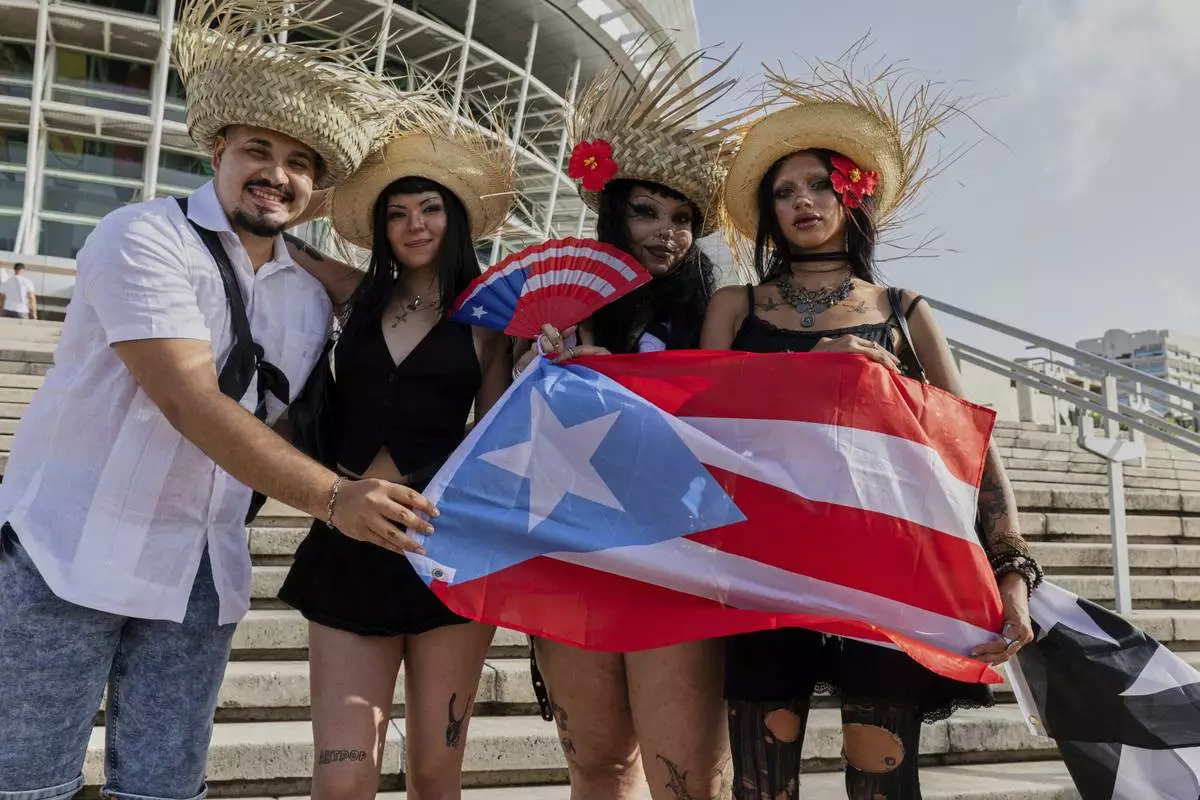
Bad Bunny fans pose for a photo before attending the first show of his 30-date concert residency at the Coliseo de Puerto Rico Jose Miguel Agrelot in San Juan, Puerto Rico, Friday, July 11, 2025. (AP Photo/Alejandro Granadillo)
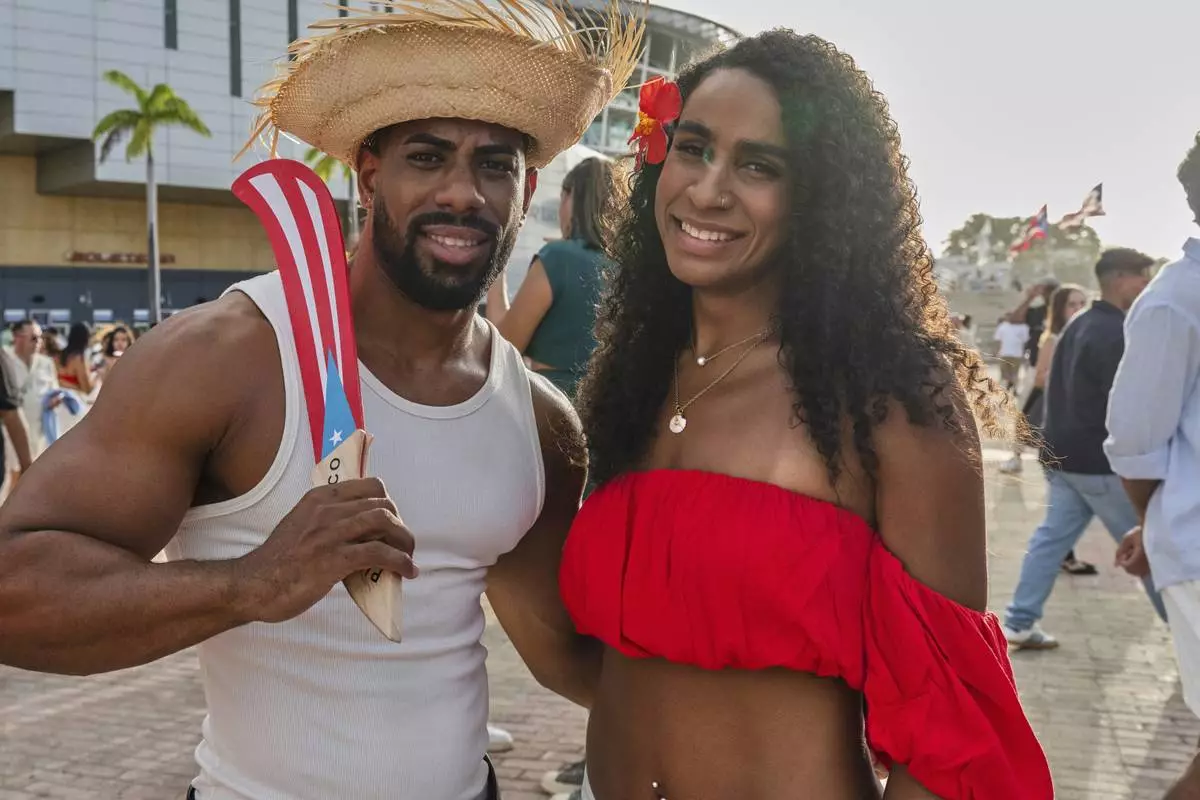
Bad Bunny fans pose for a photo before attending his first show of the 30-date concert residency at the Coliseo de Puerto Rico Jose Miguel Agrelot in San Juan, Puerto Rico, Friday, July 11, 2025. (AP Photo/Alejandro Granadillo)
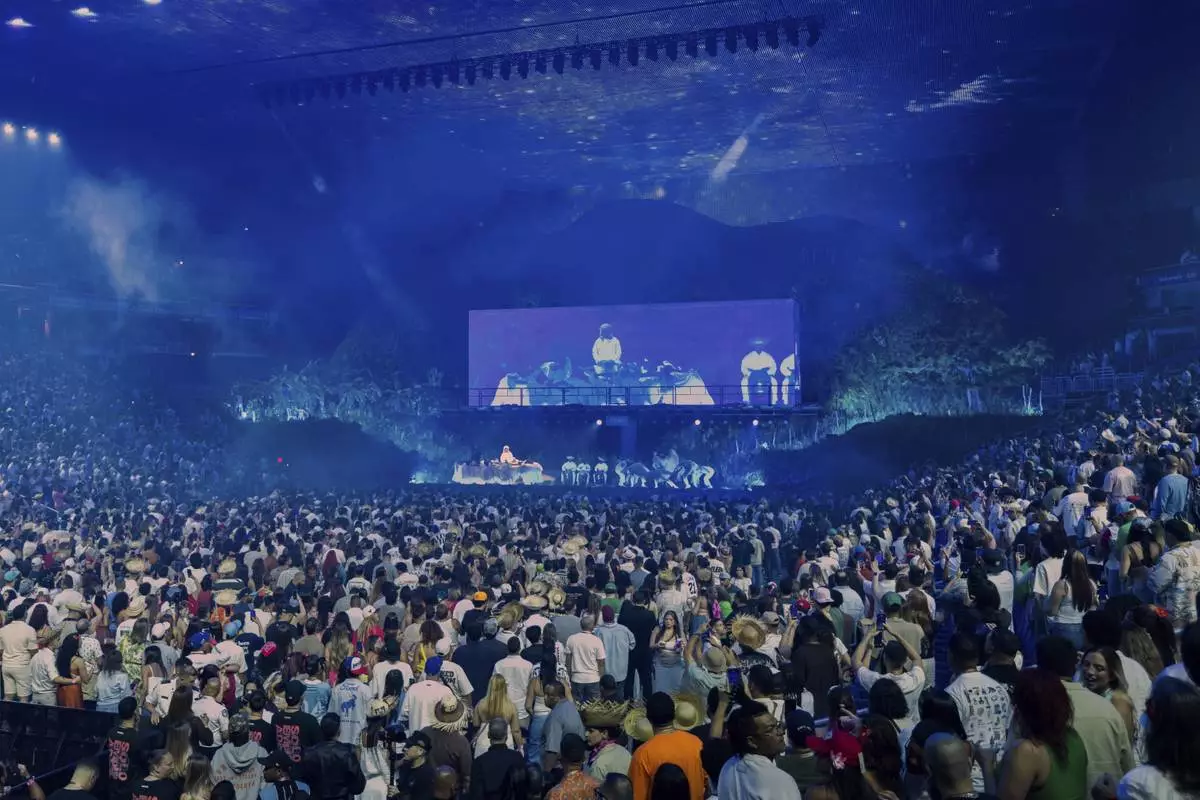
Fans attend the first show of Bad Bunny's 30-date concert residency at the Coliseo de Puerto Rico Jose Miguel Agrelot in San Juan, Puerto Rico, Friday, July 11, 2025. (AP Photo/Alejandro Granadillo)
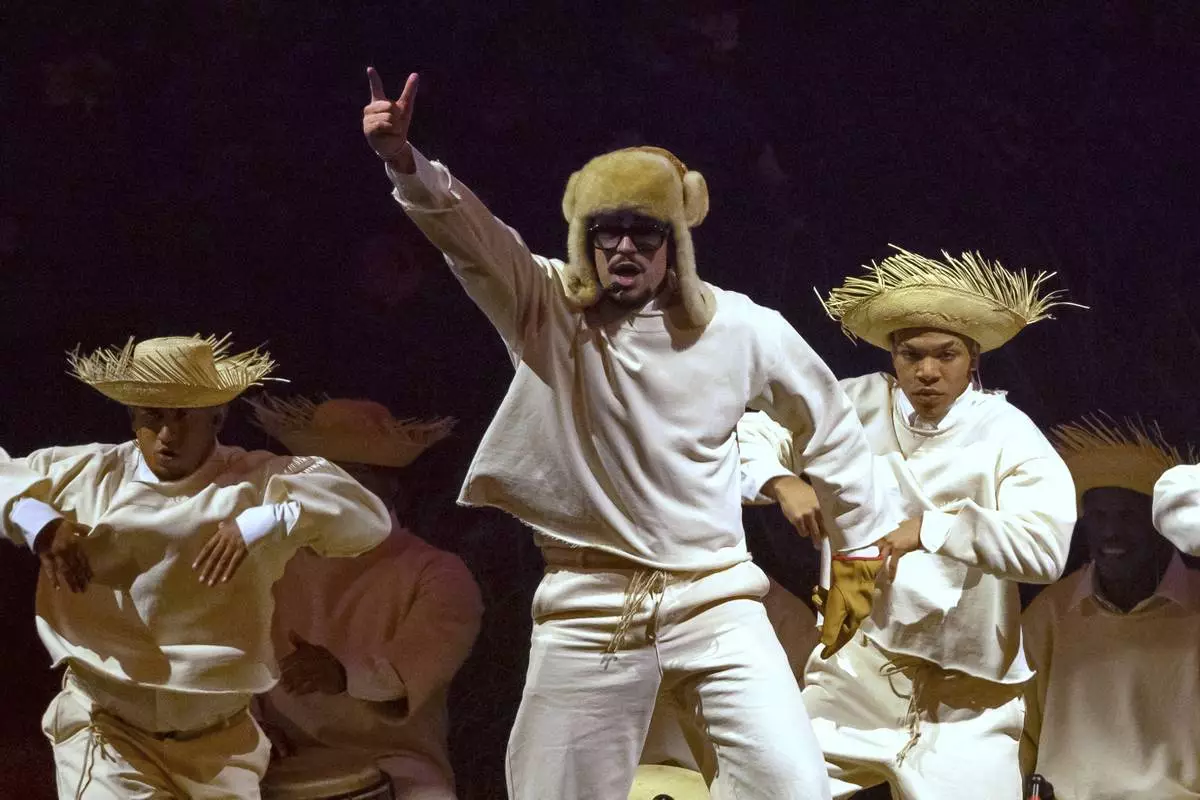
Bad Bunny performs during his first show of his 30-date concert residency at the Coliseo de Puerto Rico José Miguel Agrelot, in San Juan, Puerto Rico, Friday, July 11, 2025. (AP Photo/Alejandro Granadillo)