The Cuban women's national volleyball team has been blocked from participating in a tournament in Puerto Rico after the United States denied visa requests of the team.
The team, comprising 12 players, coaches, and a referee, was scheduled to compete in the NORCECA Final Four tournament from July 16 to 21 in Manati, Puerto Rico.
However, the team is blocked from attending the competition, due to the new travel restrictions imposed by the United States in June. According to the restrictions, Cuban athletes may face a visa denial if they need to transit or pass through the airspace or territory of the United States to a third country to compete.
"There must be a legitimate reason to prevent us from competing. Denying us a visa is not a valid justification for that. I think there is absolutely no grounds to refuse the visa to a team that what they do is simply to engage in sport and have never done anything negative against anything or anyone," said Wilfredo Robinson, the Cuban team's coach.
The tournament awards ranking points toward qualification for the Volleyball Nations League and other international competitions.
Players expressed frustration over the visa decision, saying it undermined their years of preparation.
"We know that there is the possibility that we may not be able to participate in the competition because of the political relations we are having with the United States. But it is a bit shocking and a little frustrating, because we have been training for a long time for that tournament," said Whitney James, a national team player.
The Cuban women's national volleyball team is not the only one that has faced the U.S. visa denial.
Due to the refusal, the Cuban Olympic Committee (COC) President Roberto Leon Richards and the COC Secretary General Ruperto Herrera Tabio were unable to attend the Executive Committee meeting of Panam Sports, held in Miami from May 13 to 15, and the Olympic Solidarity Forum in San Juan, Puerto Rico.
Similarly, Cuban athletes were barred from participating in this year's World Masters Indoor Athletics Championships in the U.S. and the FIBA Americas Cup Qualifiers in Nicaragua because their U.S. visa applications were rejected.
The Cuban Volleyball Federation warned that the visa denial could jeopardize the team's Olympic prospects for Los Angeles 2028 and violates the Olympic Charter's principle of free participation.
"Just because we are Cubans, we are being condemned and not allowed to participate in these events. This not only affects Cuban sports, but also violates the rights granted to Cuba by the Olympic Charter to be able to participate freely and compete in any events held in any country. Especially since the next Olympic Games will be held in Los Angeles in 2028, the series of restrictions and obstructions may have an even greater impact on Cuban sports," said Osvaldo Idel Martinez Arias, president of the Cuban Volleyball Federation.
The incident has caused concern among the public, saying that the U.S. visa restrictions on Cuban athletes is an extension of the U.S. embargo, aiming to hinder Cuba's international engagement and further isolate the country.
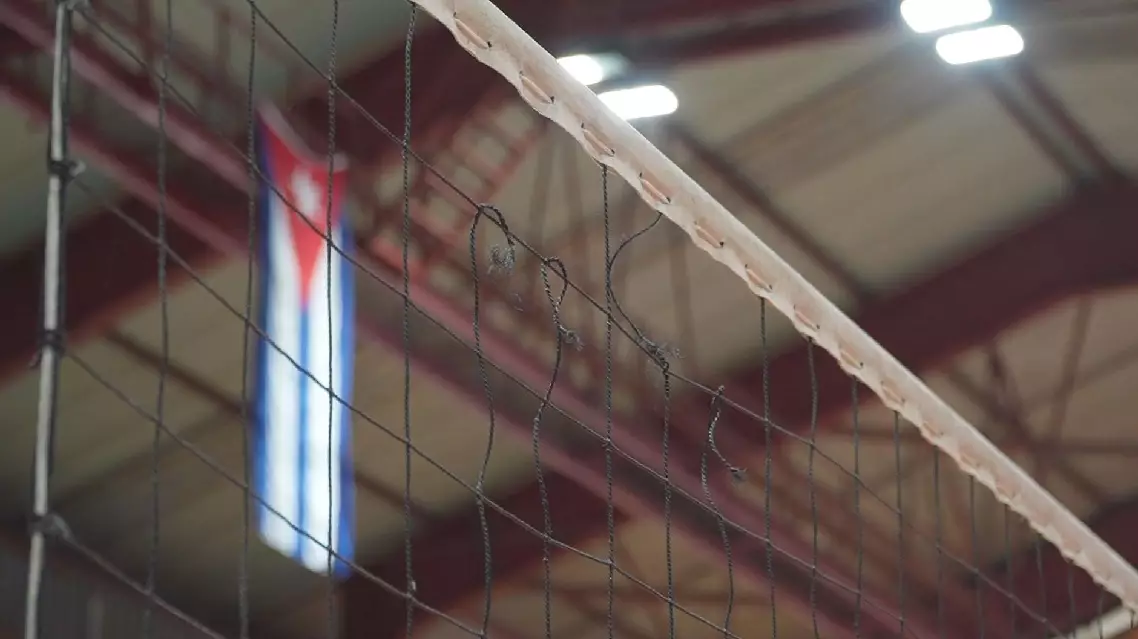
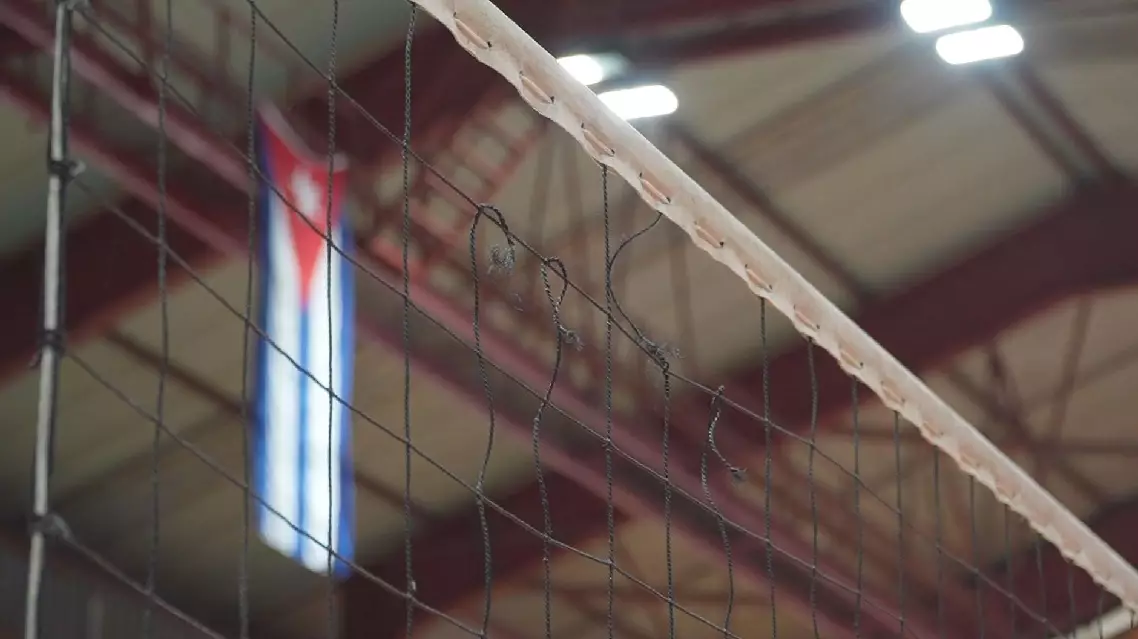
Cuban women's volleyball team blocked from competing in Puerto Rico due to US visa restrictions
Cuban women's volleyball team blocked from competing in Puerto Rico due to US visa restrictions