According to the Philippine National Disaster Risk Reduction and Management Council, as of 08:00 Monday, Typhoon Wipha, the sixth typhoon of the year, had caused five deaths, left seven people missing and affected more than 800,000 people in the Philippines.
Typhoon Wipha formed over the waters east of the Philippines on July 18 and brushed past the northern seas of the country that night.
Although Wipha did not make landfall in the Philippines, it enhanced the southwest monsoon, bringing heavy rainfall to multiple regions and triggering disasters such as flooding.
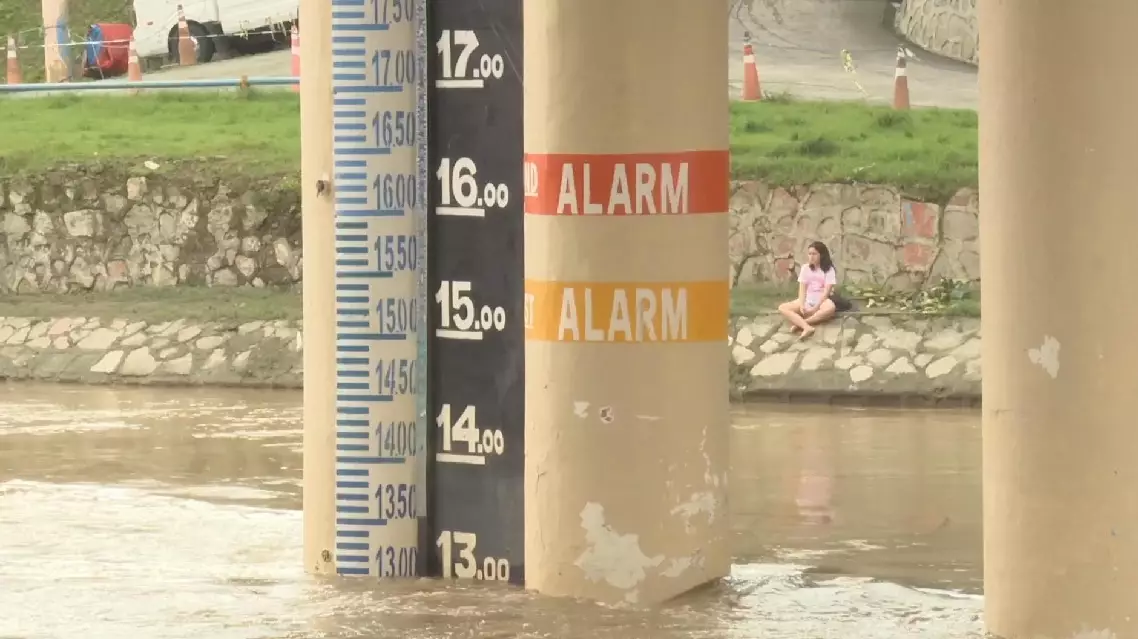
The Marikina River, considered a key flood indicator for the capital region, saw water levels rise significantly due to heavy rainfall triggered by Typhoon Wipha on Sunday.
Although the river currently remains at a normal level of around 13 meters, intense downpours in the early hours of Sunday caused the water to surge to 15 meters, prompting a Level 1 flood alert.
"Yesterday the evacuation area from all schools and Barangay here in Marikina already has been settled. There was a feeding program, every people that near the Marikina river has already evacuated there for their safety purposes," said a local named Railey Rivas.
Data shows that widespread flooding has occurred across the Philippines, affecting over 100 roads and bridges. Power supply was temporarily disrupted in parts of 115 cities, and more than 1,200 houses along with 44 pieces of infrastructure sustained varying degrees of damage.
Located in the western Pacific typhoon belt, the Philippines is struck by an average of 20 typhoons or tropical storms each year.
Five Filipinos dead, over 800,000 effected by Typhoon Wipha
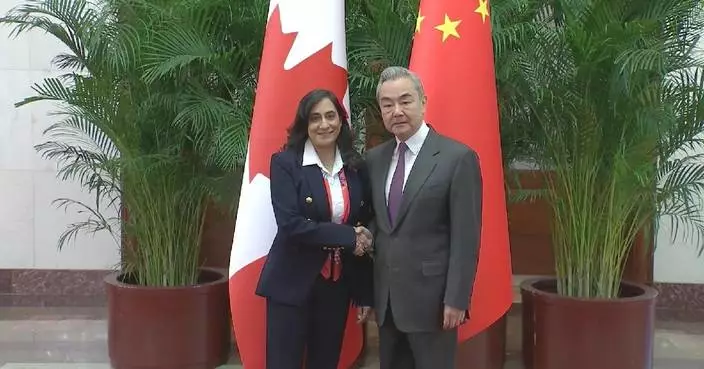
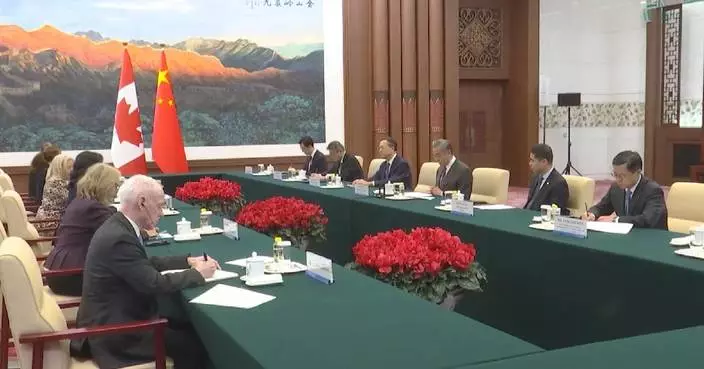
Canadian Prime Minister Mark Carney's official visit to China signals a policy shift towards building a more pragmatic relationship between the two countries, according to a Canadian researcher.
Carney arrived in Beijing on Wednesday to begin an official visit to China through Saturday, which marks the first trip by a Canadian Prime Minister to the country in eight years.
Robert Hanlon, director and principal investigator of Canada and the Asia Pacific Policy Project (CAPPP) at Thompson Rivers University in British Columbia, told the China Global Television Network (CGTN) that Carney's visit indicates Canada is recalibrating its strategic perception of China, which could cement the foundation for the country's economic diversification efforts and boost the development of bilateral cooperation.
"I think it's a clear message that he has moved Canada's strategy to a much more pragmatic, interest-based, -focused relationship with our trading partners, moving away from values-based narratives that we might have heard on previous governments. Canada has spoken about moving from what the Prime Minister's Office is calling "from reliance to resilience", and that means diversifying our economies and our trade everywhere in the world. And so China being our second largest trading partner, it makes perfect sense for our PM to head to Beijing," he said.
The scholar also noted the huge cooperation potential between the two sides in economic and trade fields, citing Canada's efforts to step up shipments of liquefied natural gas (LNG) and the planned construction of an oil pipeline in Alberta which aims to increase export access to Asian markets. "Canada and China both share tremendous economic opportunities together and so finding ways to enhance our exports. Canada specifically looking to build out its LNG and oil, kind of export market. We know Canada is a major producer of critical minerals and China is a buyer. And so there's a lot of synergy between that kind of those kind of markets," he said.
Canadian PM's visit to China paves way for more pragmatic trade ties: scholar