LOS ANGELES (AP) — There are thousands of illegal marijuana farms around the country.
But when the federal government decided to stage one of its largest raids since President Donald Trump took office in January, it picked the biggest legal grower in California.
Click to Gallery
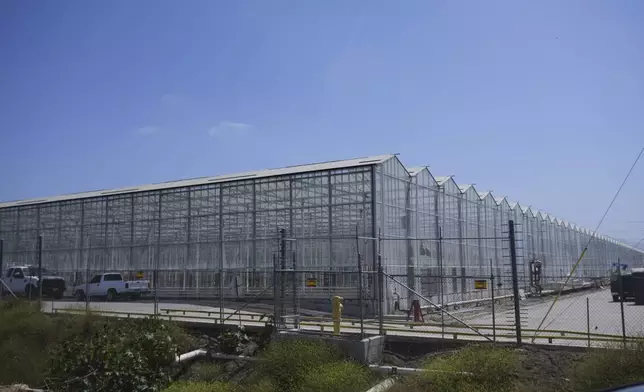
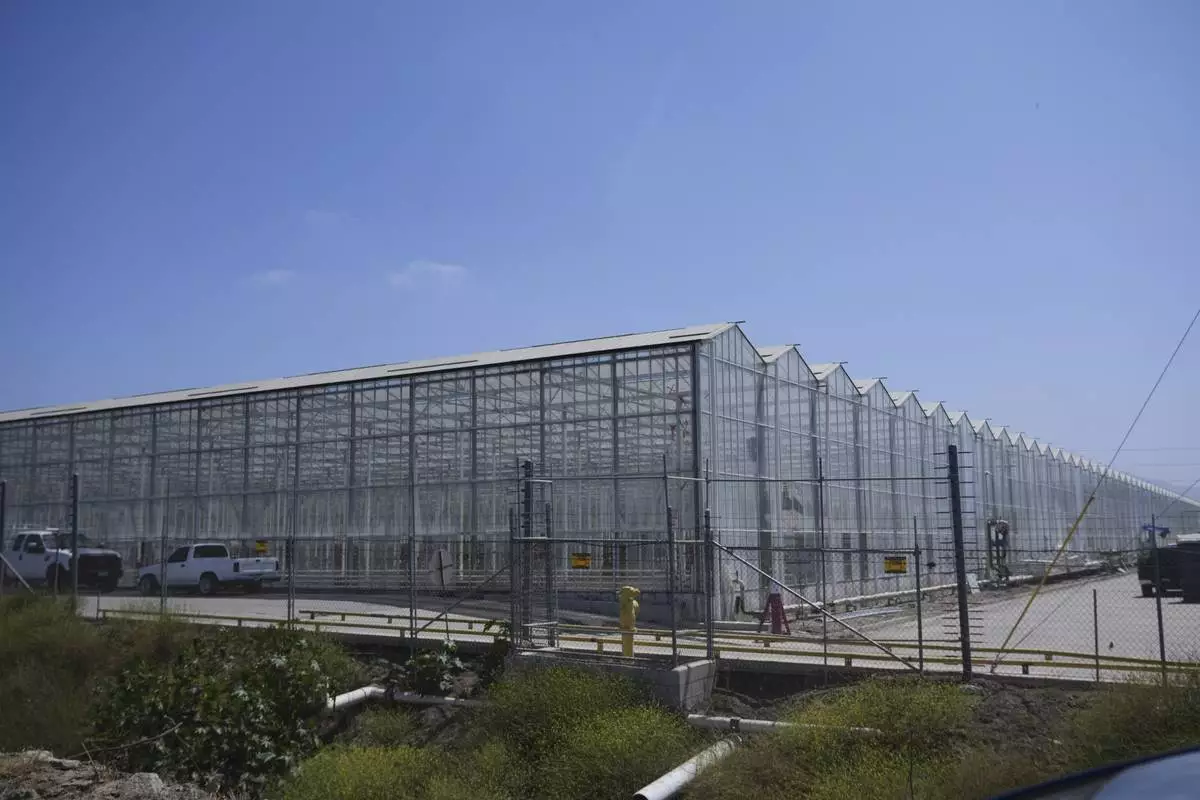
FILE - The exterior of Glass House Farms is shown, a day after an immigration raid on the facility, on Friday, July 11, 2025, in Camarillo, Calif. (AP Photo/Damian Dovarganes, File)
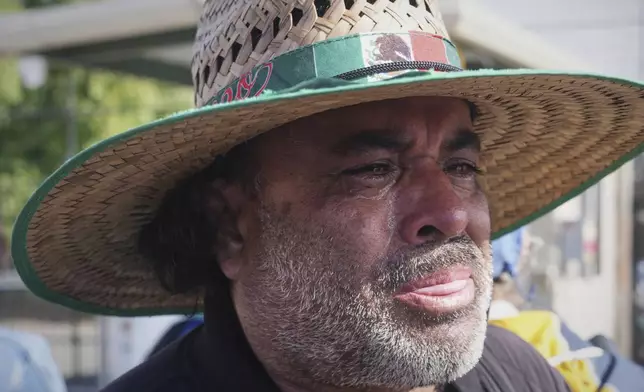
FILE - Juan Duran cries outside of Glass House Farms, where a relative was injured during a previous day immigration raid, on Friday, July 11, 2025, in Camarillo, Calif. (AP Photo/Damian Dovarganes, File)
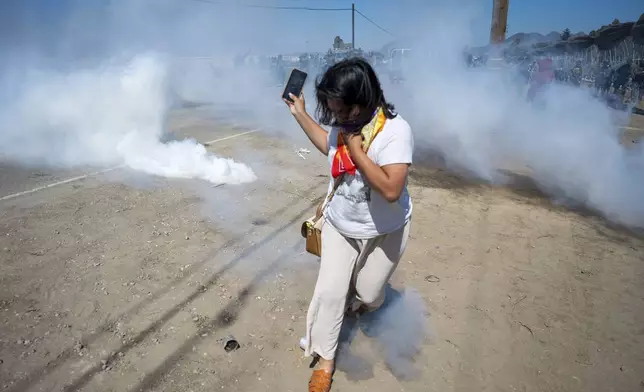
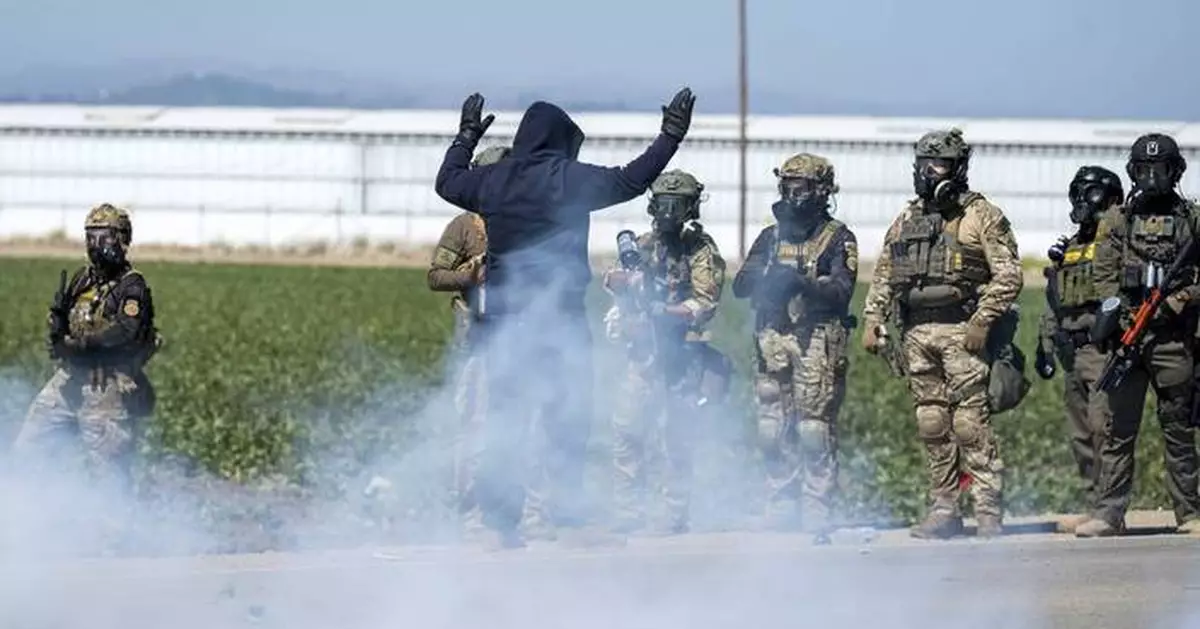
FILE - A protester runs from tear gas tossed by federal immigration agents to clear a path for the vehicles during a raid in the agriculture area of Camarillo, Calif., Thursday, July 10, 2025. (AP Photo/Michael Owen Baker, File)

FILE - Demonstrators confront federal agents blocking a road during an immigration raid in Camarillo, Calif. (AP Photo/Michael Owen Baker, File)
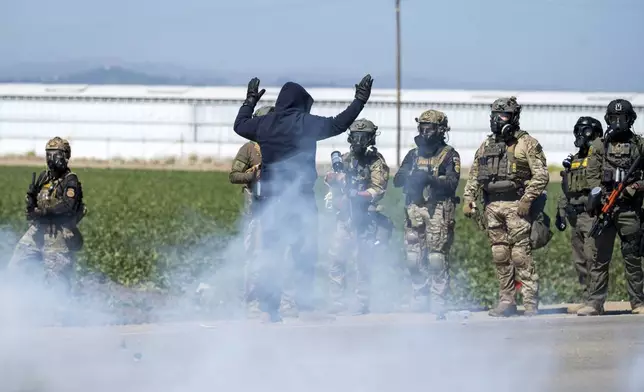
FILE - Federal immigration agents toss tear gas at protesters during a raid in the agriculture area of Camarillo, Calif., Thursday, July 10, 2025. (AP Photo/Michael Owen Baker, File)
Nearly two weeks later, the reason for the federal raid at two Glass House farm sites northwest of Los Angeles remains unclear and has prompted speculation. Some say the raid was intended to send a chilling message to immigrants in the U.S. illegally — but also to rattle the state’s legal cannabis industry.
Meanwhile, the Republican Trump administration has been feuding with heavily Democratic California over funding for everything from high-speed rail construction to wildfire relief, so it’s also possible Glass House was pulled into a broader conflict between the White House and Sacramento.
“There are plenty of other places they can go to find illegal workers,” said political consultant Adam Spiker, who advises cannabis companies. “A lot of people believe there is a hint of politics in this. It’s federal enforcement coming into California to go after cannabis.”
On July 10, U.S. Immigration and Customs Enforcement and Border Patrol agents executed a search warrant for Glass House’s farms in Carpinteria and Camarillo, court filings show.
At the Camarillo site, armored vehicles blocked the road, which is lined with fields and greenhouses, as masked agents deployed onto the property. One farmworker who fell from a greenhouse roof while running to hide later died from his injuries.
Outside the farm, officers faced off with demonstrators and fired tear gas to disperse them, a federal agent wrote in court filings. One demonstrator threw a gas canister back at Border Patrol officers, according to the agent. Another demonstrator, who is sought by the FBI, appeared to fire a gun.
More than 360 people were arrested, most suspected of being in the country without legal status. Those arrested included four U.S. citizens, including U.S. Army veteran George Retes, 25, who works as a security guard and was held for three days.
The operation came more than a month into an extended crackdown across Southern California that was originally centered in Los Angeles, where local officials say the federal actions are spreading fear in immigrant communities.
No cannabis was seized and the criminal search warrants used to enter the farm sites are under court seal. Authorities refused to share them with The Associated Press.
The government said the business was being investigated for potential child labor, human trafficking and other abuses. Agents found 14 children at one site. No information has been released about the minors.
The company has not been charged.
Federal and state laws allow children as young as 12 to work in agriculture under certain conditions, though no one under age 21 is allowed to work in the cannabis industry.
Company officials did not respond to calls or emails. In a brief statement on the social platform X, Glass House said it complied with immigration and naturalization warrants and “has never knowingly violated applicable hiring practices and does not and has never employed minors.”
After the raid, United Farm Workers — the country’s biggest farm worker union — posted an urgent message to its social media accounts warning that because marijuana is illegal under federal law, workers who are not U.S. citizens should avoid jobs in the cannabis industry, including state-licensed facilities.
“We know this is unfair,” it said, “but we encourage you to protect yourself and your family.”
Industry experts point to unwelcome publicity the company received after rival Catalyst Cannabis Co. filed a 2023 lawsuit alleging that Glass House “has become one of the largest, if not the largest, black marketers of cannabis in the state of California.” The lawsuit, formally filed by Catalyst parent 562 Discount Med Inc., was dismissed last year but the headlines might have drawn the interest of federal investigators.
The company was co-founded by Kyle Kazan, a former Southern California police officer and special education teacher turned cannabis investor, and Graham Farrar, a Santa Barbara tech entrepreneur.
Glass House started growing cannabis in a greenhouse in Carpinteria in Santa Barbara County when once-thriving cut flower operations were being reduced. It later bought property in Camarillo in neighboring Ventura County for $93 million that had six greenhouses and was being used to grow tomatoes and cucumbers.
To date, two of the greenhouses have been converted to grow cannabis. Workers’ relatives said tomatoes are still being grown in other greenhouses at the location.
The raids have put the spotlight on a company that is alternately admired and reviled because of its meteoric rise in the nation’s largest legal market.
Glass House is the state’s biggest legal cultivator, dwarfing its nearest rivals. Glass House Farms is part of the broader company Glass House Brands, which has other businesses that make cannabis products.
“There is no farmer in California that can compete with them at scale,” Sacramento-based cannabis consultant Sam Rodriguez said.
Many legal operators have struggled despite the passage of Proposition 64 in 2016 — which was seen as a watershed moment in the push to legitimize and tax California’s multibillion-dollar marijuana industry. In 2018, when retail outlets could open, California became the world’s largest legal marketplace.
But operators faced heavy taxes, seven-figure start-up costs and for many consumers, the tax-free illegal market remained a better deal.
But as other companies folded, Glass House took off, fueling envy and suspicion by rivals over its boom at a time when much of the state's legal market was in crisis, in large part because of competition from the robust underground market.
In a recent call with investors, Kazan said company revenue in the first quarter hit $45 million — up 49% over the same period last year. He said he remained hopeful for a federal shift that would end marijuana’s classification as a Schedule I drug, alongside heroin and LSD.
But “we are a company that does not require federal legalization for survival,” Kazan said.
Glass House's sales grew as many others around the state declined.
“I remain steadfast in the belief that it is not if but when the cannabis industry becomes America’s next massive normalized industry, and I’m excited to participate along with investors in the corresponding reward that that change will bring,” he said.
FILE - The exterior of Glass House Farms is shown, a day after an immigration raid on the facility, on Friday, July 11, 2025, in Camarillo, Calif. (AP Photo/Damian Dovarganes, File)
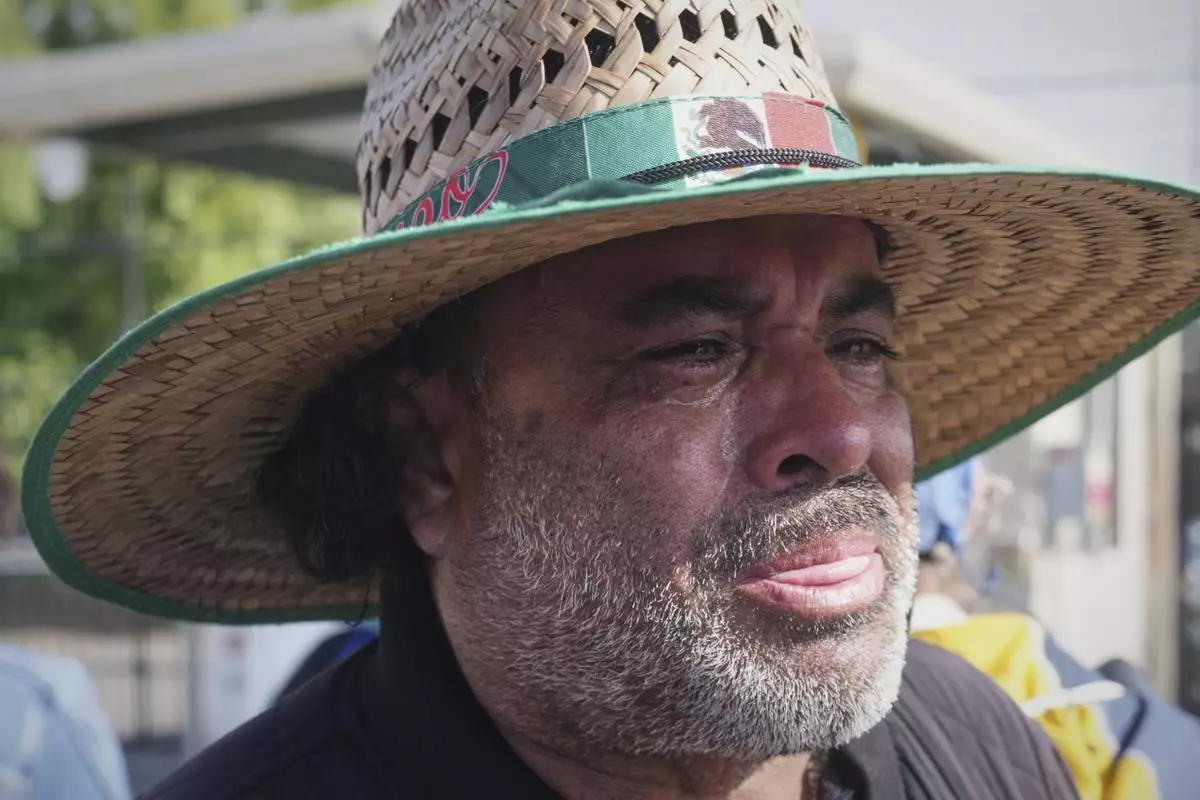
FILE - Juan Duran cries outside of Glass House Farms, where a relative was injured during a previous day immigration raid, on Friday, July 11, 2025, in Camarillo, Calif. (AP Photo/Damian Dovarganes, File)
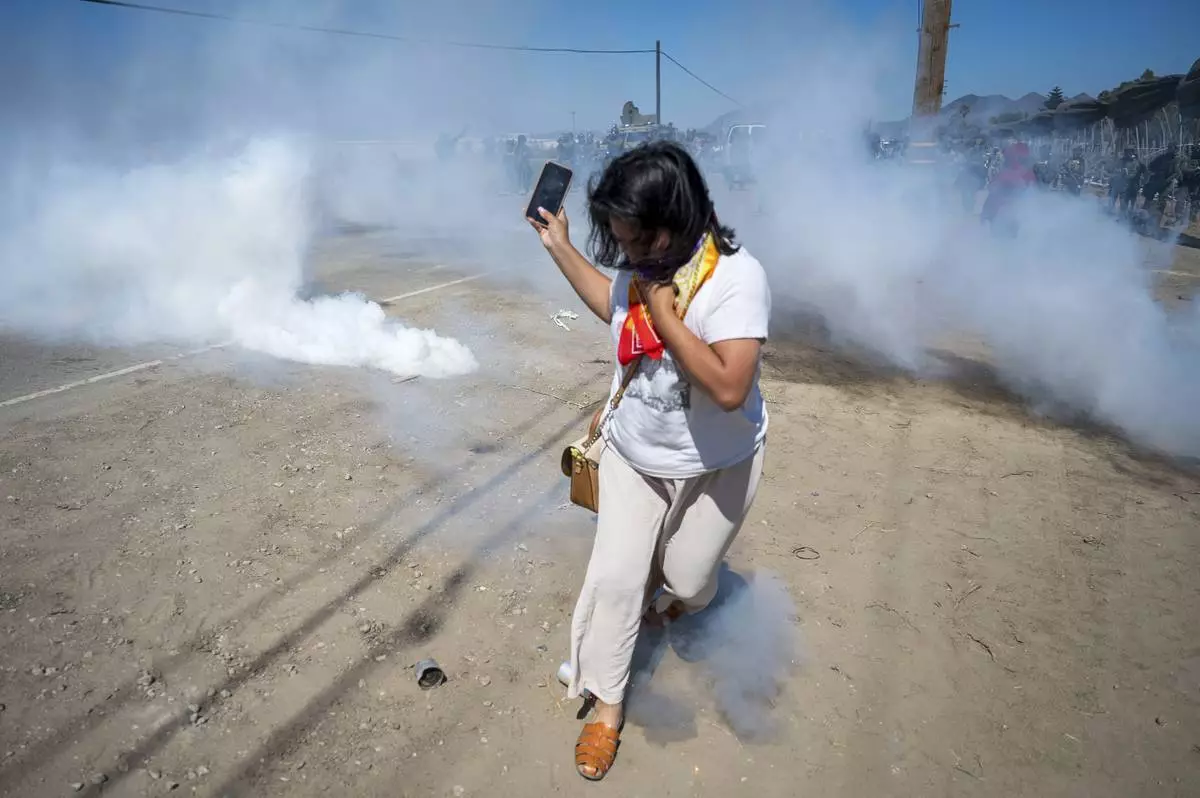
FILE - A protester runs from tear gas tossed by federal immigration agents to clear a path for the vehicles during a raid in the agriculture area of Camarillo, Calif., Thursday, July 10, 2025. (AP Photo/Michael Owen Baker, File)

FILE - Demonstrators confront federal agents blocking a road during an immigration raid in Camarillo, Calif. (AP Photo/Michael Owen Baker, File)
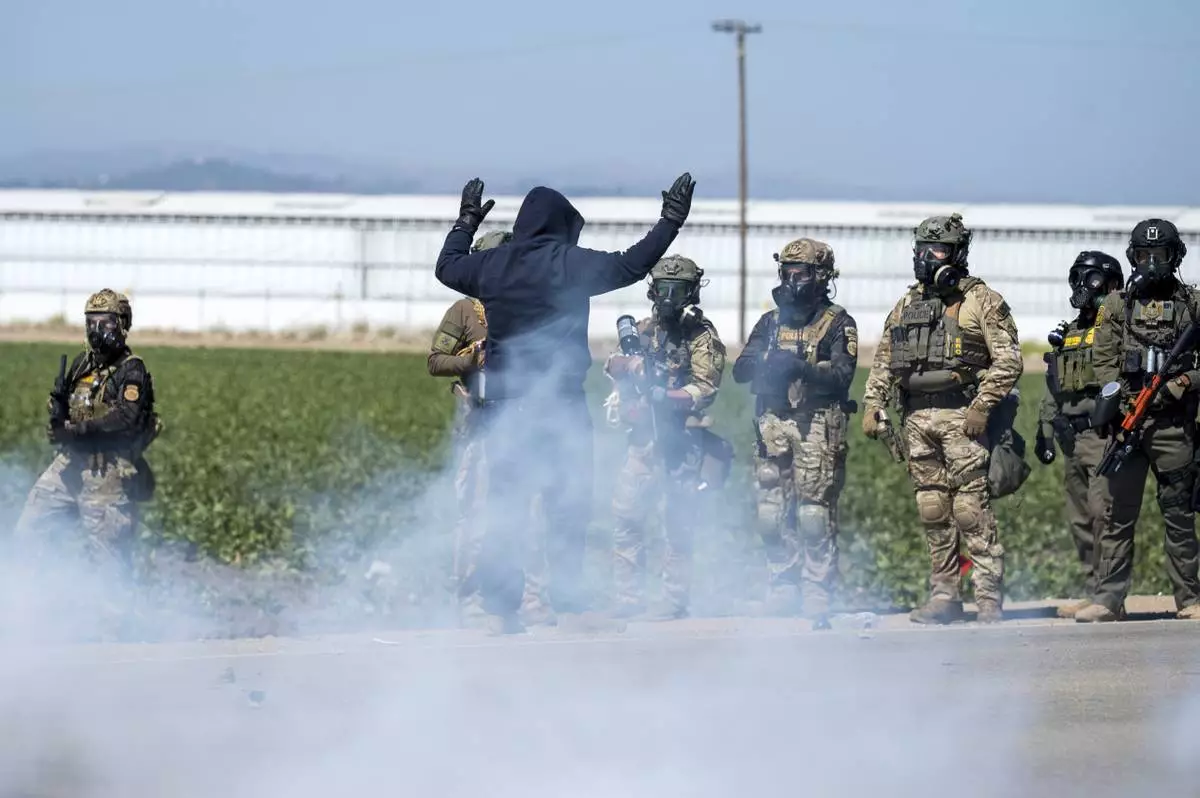
FILE - Federal immigration agents toss tear gas at protesters during a raid in the agriculture area of Camarillo, Calif., Thursday, July 10, 2025. (AP Photo/Michael Owen Baker, File)