Experts from several European think tanks have shared their hopes for productive dialogue at the upcoming 25th China-EU Summit, which is set to be held in Beijing.
Expectations are high that the summit will help to strengthen cooperation and communication between China and the EU.
"I can only hope that the people participating in the summit from the European side would recognize the incredible potential which lies in the full-fledged cooperation with China and not give in to the pressure coming especially from the Anglosphere, the United States and the Great Britain, to 'de-risk'. That would be very much in the disadvantage of Europe," said Helga Zepp-Larouche, president and founder of Germany's Schiller Institute.
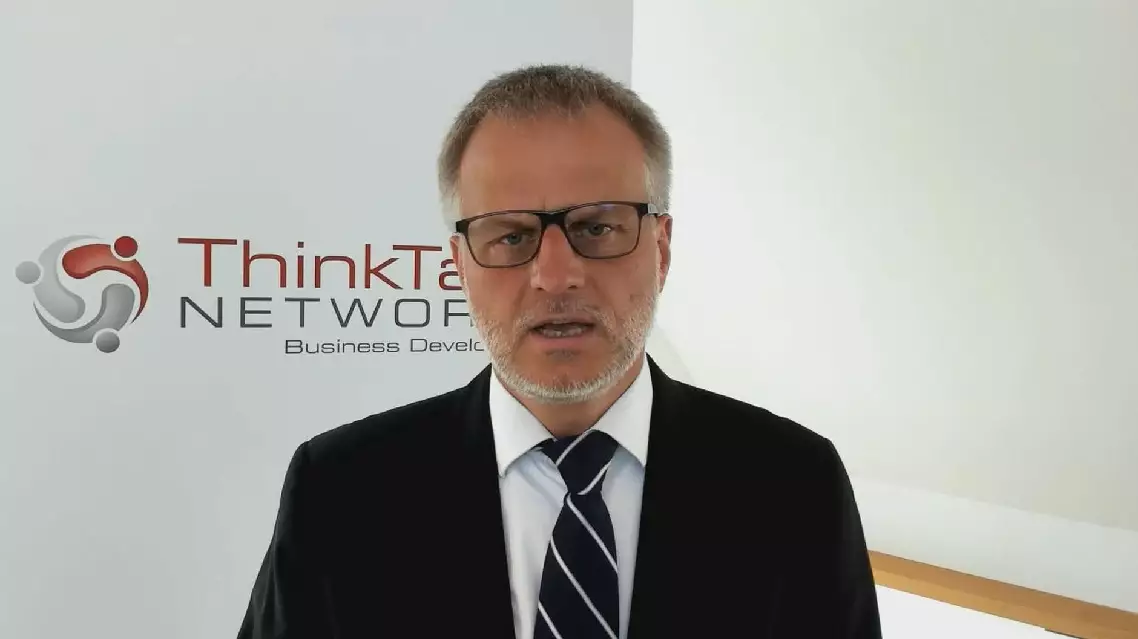
"I think it's so important that we talk, that the Europeans talk with the Chinese because we have to learn from each other. We have to understand from each other. And more or less, we have to develop new ideas, new strategies. I would like to give an advice to the European government -- they have to learn more about China, they have to listen more about China," said Bernd Einmeier, an expert from ThinkTank Networks.
The summit is also expected to offer solutions to some long-standing issues and remove barriers for people-to-people exchange, said the experts.
"We should conduct these dialogues also to achieve long-term goals. Since the 2020 summit, the European Union-China Comprehensive Agreement on Investment was agreed on and signed, but it wasn't ratified by the European Parliament. So, it's a homework for the European Union to go on in the ratification process by the European Parliament, to convince the members of European Parliament that is in the interest of European consumers to get affordable, high-quality Chinese products," said Zoltan Kiszelly, director of the Center of Political Analyses at Hungary's Szazadveg Foundation.
"The shock of a continuous stress on the academic system worldwide under the tariff system has not been fully absorbed. There might be measures that each side takes to hedge its own macro-economy and then fine-tuning those two measures across China and across the EU might be useful," said Joel Ruet, president of The Bridge Tank in France.
"My expectation for this summit is that our leaders can have full awareness about the importance of people's encounters, overcoming the geopolitical constraints also through this people-to-people platform and approach," said Fabio Massimo Parenti, a member of Eurispes - Institute for Political, Economic and Social Studies in Italy.
The China-EU Summit, first held in 1998, is a vital platform for dialogue between two of the world's largest economies.
This year also marks the 50th anniversary of the establishment of diplomatic relations between China and the EU.
European think tanks expecting more cooperation outcomes from 25th China-EU Summit