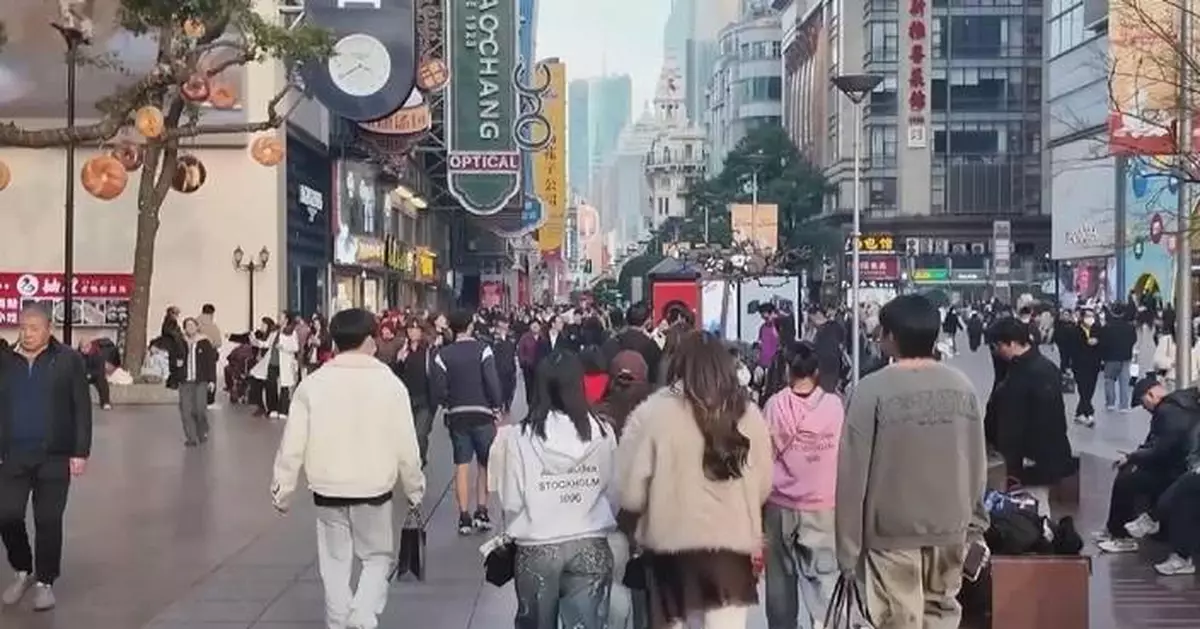
China's total retail sales of consumer goods surpassed the 50-trillion-yuan milestone for the first time in 2025, with consumption contributing 52 percent to the country's economic growth, a spokesperson for the national legislature said on Wednesday, as he outlined further policy efforts to boost domestic demand this year.
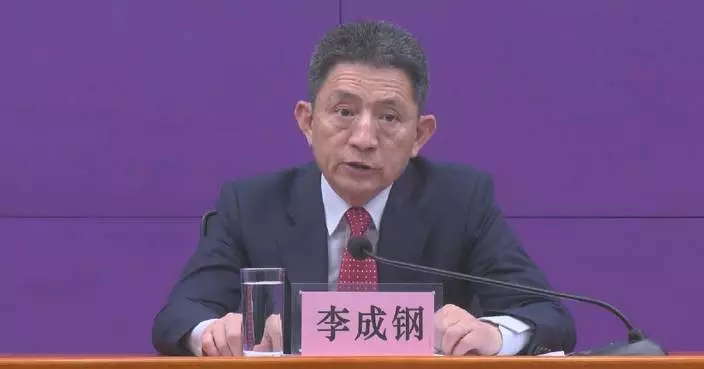
Lou Qinjian, spokesperson for the fourth session of the 14th National People's Congress (NPC), made the remarks at a press conference held ahead of the opening of the session scheduled for Thursday in Beijing .
"Consumption serves as the main engine driving economic growth. In 2025, China implemented dedicated initiatives to boost consumption, steadily expanding the consumer market. Total retail sales of consumer goods surpassed 50 trillion yuan for the first time, with consumption contributing 52 percent to economic growth," he noted.
The spokesman also outlined three key areas and detailed the various measures taken within those which helped drive up consumption last year.
"First, consumption structure continued to upgrade. The expanded consumer goods trade-in program benefited 366 million people. The China International Import Expo helped meet diverse consumer demand. Second, service consumption potential was further unlocked. Retail sales of services grew by 5.5 percent, with spending on culture, tourism, recreation and travel maintaining double-digit growth. Digital, green and health-related consumption continued to expand," he said.
"Third, inbound consumption gained significant momentum. People from more countries can now visit China without a visa, and departure tax refund policies were optimized. China remained a destination of choice for travel and shopping. Year-round sales of goods eligible for a departure tax refund nearly doubled. Notably, the launch of island-wide special customs operations in the Hainan Free Trade Port triggered a new wave of tourism and retail spending," He said.
Looking to the year ahead, Lou said further steps will be taken to drive domestic demand, spur consumer spending and upgrade the quality of the service sector.
"This year, we will continue expanding domestic demand as a strategic underpinning, vigorously boost consumption and work to build a strong domestic market. On the supply side, we will increase supply of high-quality consumer goods and services. We will carry out a program of quality upgrade in the consumer services sector and move faster to cultivate the growth areas in services consumption. We will optimize the trade-in policy for consumer goods and expand and upgrade goods consumption. We will nourish the environment for international consumers, develop more consumption scenarios, and organize a series of 'Shopping in China' events," said the spokesman.
"On the demand side, we will step up efforts both to improve living standards and increase consumer spending. We will promote high-quality employment and formulate and implement income growth plans for urban and rural residents to increase their spending power. We will make steady progress in ensuring more equitable access to basic public services and improve education, child care, elderly care, and medical security systems so that consumers will feel freer to spend," Lou continued.
The spokesman also noted that the NPC Standing Committee will oversee the building of a unified national market and advancing rural revitalization in 2026. Legislation on social assistance, medical security, and childcare services is also slated for deliberation to channel more resources into areas concerning people's wellbeing, he added.
Lou was speaking at a press conference shortly before the beginning of the "two sessions", a major event in China's political calendar, which refers to the annual meetings of the NPC, China's highest organ of state power, and the National Committee of the Chinese People's Political Consultative Conference (CPPCC), the top political advisory body.
The meetings have gathered thousands of national lawmakers and political advisors from across the country to the Chinese capital.
China to increase policy support as consumption underpins economic growth in 2025: spokesman
China to increase policy support as consumption underpins economic growth in 2025: spokesman