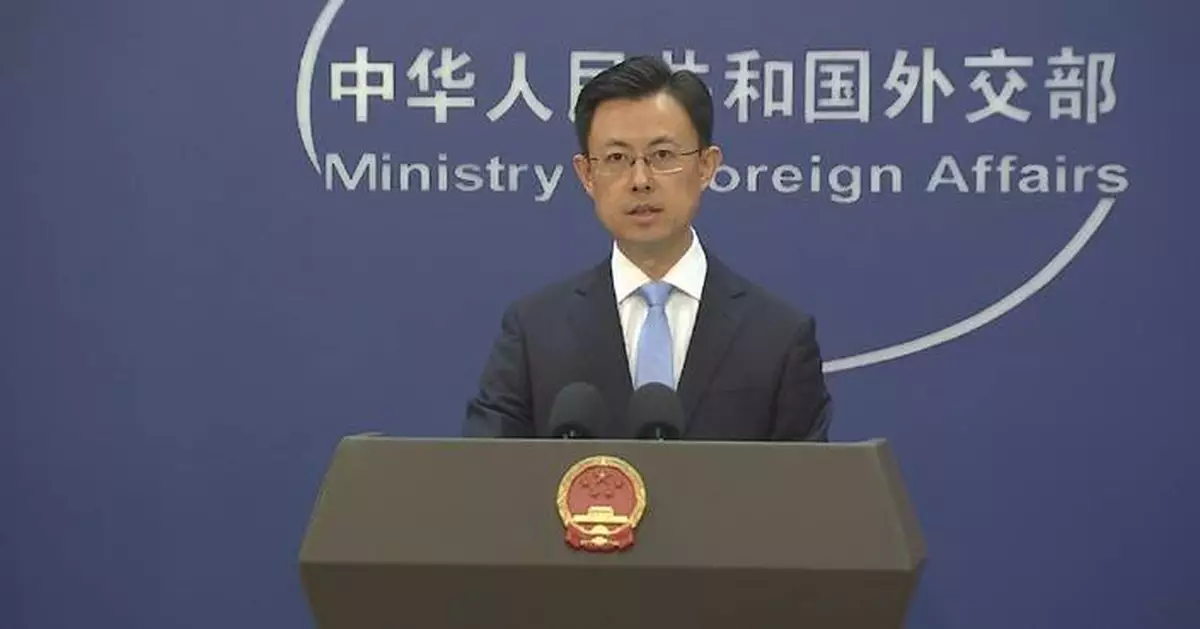
China calls for the European Union (EU) to work with China in the same direction for a brighter bilateral ties in the future, Guo Jiakun, spokesman of the Ministry of Foreign Affairs of China in Beijing on Friday.
Guo made the remarks at a regular press conference in response to a media query about the 25th China-EU Summit, which was held on Thursday and co-chaired by Chinese Premier Li Qiang and President of the European Council Antonio Costa and President of the European Commission Ursula von der Leyen.
"As in any bilateral relations, differences do exist between China and the EU. On economic and trade issues which are of concern to the EU, China shared its position in a comprehensive, patient, in-depth and detailed way with a friendly, respectful and candid attitude. China stressed that the China-EU economic and trade relations are mutually complementary and win-win in nature. There should and can well be a dynamic equilibrium formed in the interactions. China is committed to realizing the sustainable and balanced growth of trade with the EU. We are willing to import more quality products from the EU that meet China's market demand, and hope the EU will ease restrictions on high-tech exports to China," he said.
"China stressed that whether there is overcapacity should be determined in the global context and by the market. Take the new energy vehicle industry as an example. The International Energy Agency estimated that there will be a shortage of 27 million new energy vehicles globally by 2030. China's new energy capacity is advanced capacity that can bridge the world's 'green gap.' It is contribution, not 'excess.' The false 'Chinese overcapacity' narrative reflects an incomplete understanding of the relations between supply and demand in a globalized market, and is just a pretext for protectionist measures," Guo said.
"China reiterated that China's industrial subsidy policy follows the principles of openness, fairness, and compliance, and strictly adheres to the World Trade Organization (WTO) rules. Industrial subsidy policies are widely adopted in countries around the world. The EU itself has provided a large amount of subsidies for the development of relevant industries, and should not apply double standards on this issue. On Ukraine, China pointed out that the Ukraine issue is not and should not become an issue between China and the EU. We reiterated our consistent and clear position of promoting talks for peace and a political settlement, and expressed our willingness to maintain communication with the EU. China also made clear its strong position on the EU's sanctions on Chinese companies citing Russia-related factors. The two sides agreed to enhance understanding and trust through dialogue and properly handle relevant issues," he said.
"Overall speaking, this summit is positive and constructive. It is conducive to enhancing mutual understanding and trust, and creating more favorable conditions for future cooperation. China hopes the EU will work with China in the same direction to jointly usher in an even brighter future for the bilateral relations," he said.
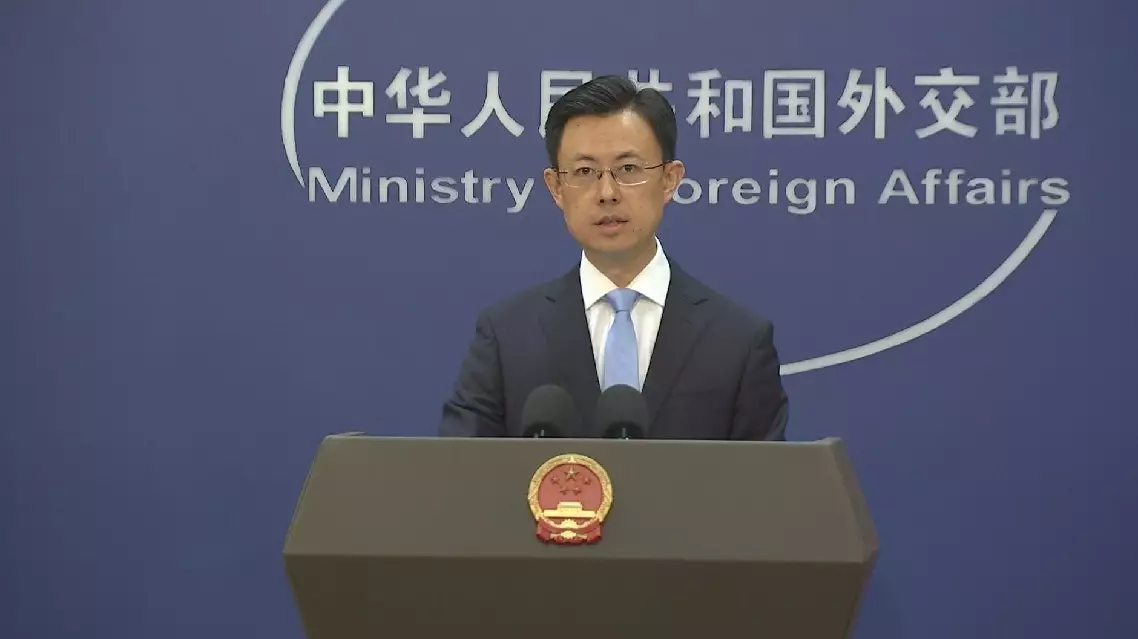
China calls for concerted efforts from EU for brighter bilateral ties: spokesman
China calls for concerted efforts from EU for brighter bilateral ties: spokesman
China calls for concerted efforts from EU for brighter bilateral ties: spokesman