Skip to Content Facebook Feature Image

Shenzhen’s 'Robot Valley' showcases embodied AI in pratical use

China

China

China

Shenzhen’s 'Robot Valley' showcases embodied AI in pratical use

2025-07-26 15:23 Last Updated At:23:57

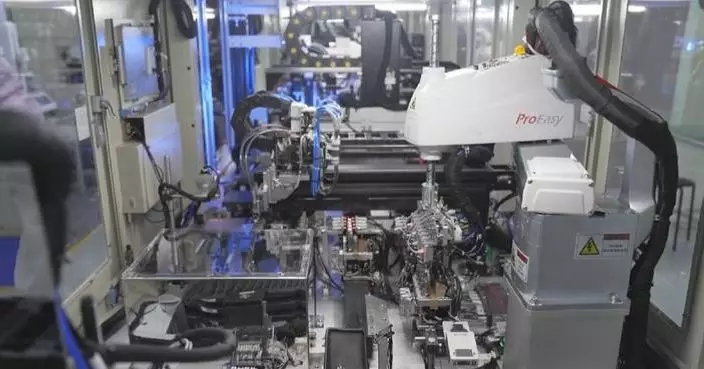
A futuristic "innovation corridor", a 10-kilometer stretch teeming with cutting-edge robotics, tech startups, and top-tier research talent located in south China's Shenzhen City, has showcased embodied AI in practical use.

Known in the industry as "Robot Valley," this area has quickly evolved into a thriving ecosystem for embodied intelligence and robotics innovation.

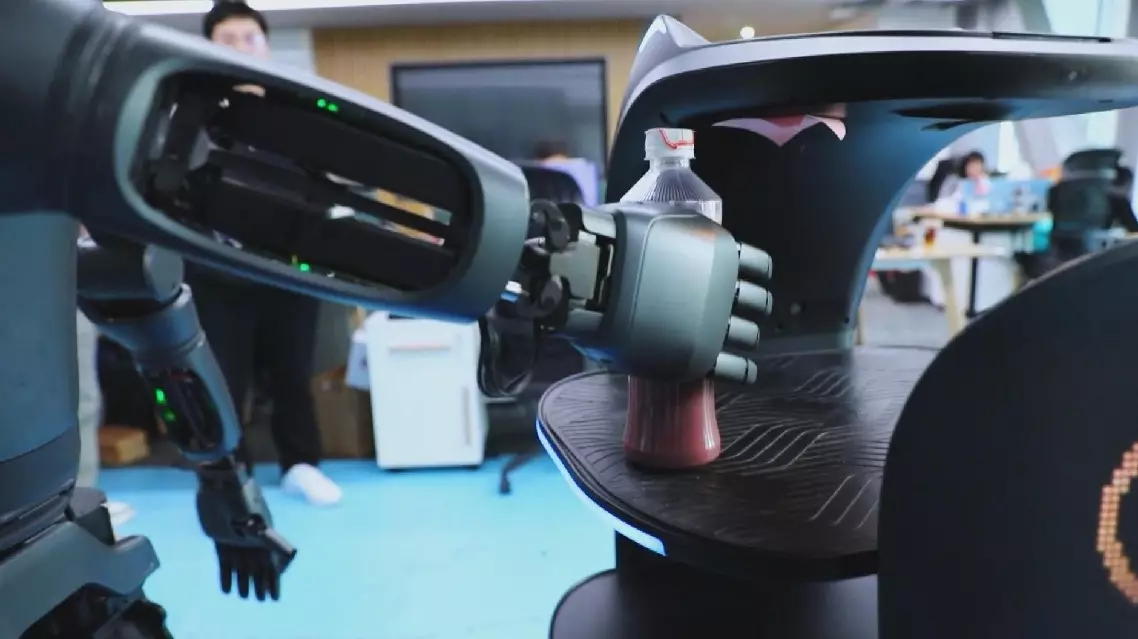
This year, a growing number of robotics companies have shifted their R and D focus toward industry-specific and professional-grade solutions, targeting verticals like catering, manufacturing, and logistics. Tailored designing for each field has reportedly boosted operational efficiency by more than 20 percent.

In a cafe, for example, a robotic barista now crafts lattes with remarkable precision: grinding beans, frothing milk, and even creating latte art. Within seconds, a steaming cup is ready.

"Each cup it makes is highly consistent, which is probably quite different from what we achieve manually. What you see here are various experienced coffee masters we invited at the time — their expertise was used to train and develop the AI through intelligent learning," said Wang Heru, a senior marketing manager at Dobot Robotics.

The innovations extend well beyond coffee.

Nearby, a compact robot resembling a toy car quietly gets to work mowing a large lawn.

Equipped with over 50 patents, the robot scans its environment and intelligently avoids obstacles while maintaining a clean cut.

Such examples of "robots on duty" are becoming increasingly common in Shenzhen. These machines now go far beyond basic assistance -- they are beginning to transform professional sectors by delivering efficient, adaptive, and reliable service.
Shenzhen’s 'Robot Valley' showcases embodied AI in pratical use
Shenzhen’s 'Robot Valley' showcases embodied AI in pratical use
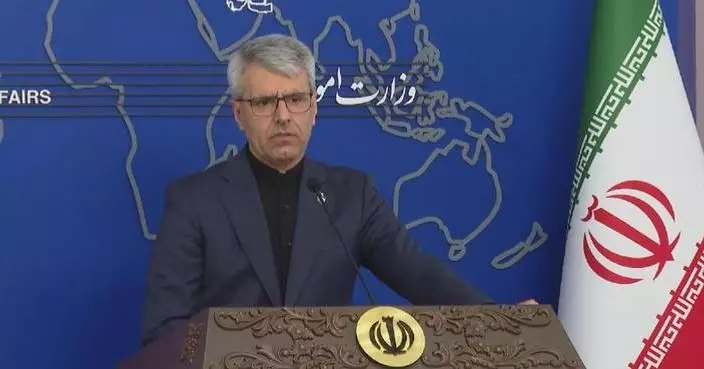
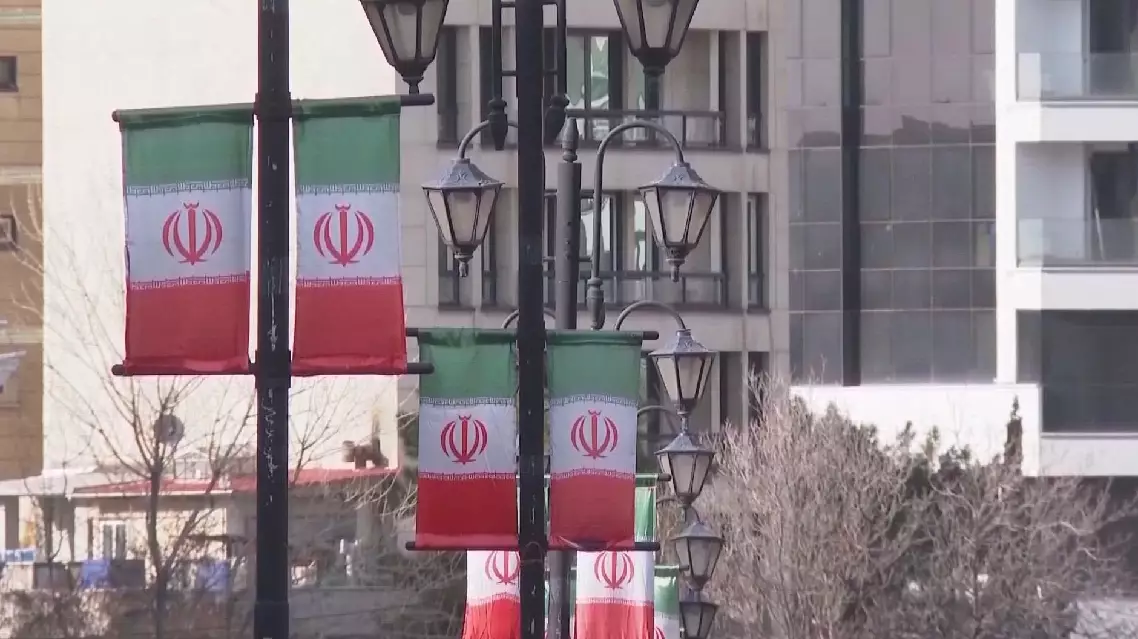
Iran's supreme leader demanded war reparations from the United States and Israel on Monday and vowed to escalate the country's management of the Strait of Hormuz, while President Donald Trump said he would not lift the U.S. blockade on Hormuz until Tehran agrees to a deal.

In a statement posted on his official social media account on Monday, Iran's Supreme Leader Mojtaba Khamenei said that Iran would hold accountable those responsible for attacks against the country and seek compensation for wartime losses.

He also called for a new phase in the management of the Strait of Hormuz, vowing never to abandon Iran's legitimate rights and regarding all "resistance fronts" in the region as a unified whole.

On April 9, the Iranian supreme leader outlined the three principles in a written address marking 40 days since the death of former Supreme Leader Ali Khamenei.

Also on Monday, President Trump said in his social media post that the United States will not lift its blockade on Iranian ports until a deal is reached.

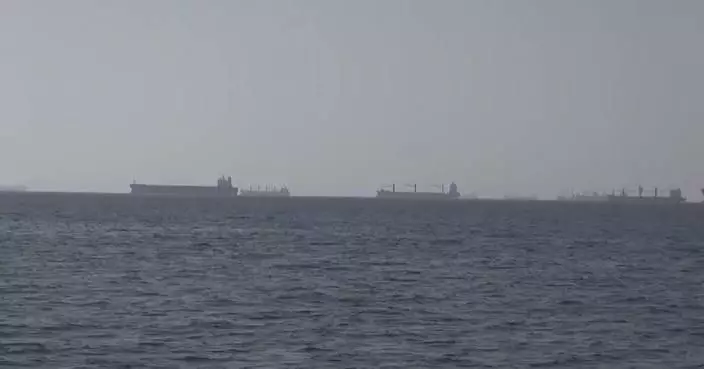
The U.S. forces have enforced a naval blockade on vessels entering and leaving Iranian ports since April 13, with the U.S. Central Command said one day later that Iran's maritime trade had been completely cut off.

Iran responded by opening the Strait of Hormuz to commercial shipping on April 17, but reversed course on the following day, resuming control of passage after the United States refused to lift its blockade.

Pakistan is now actively mediating in an effort to persuade the United States to end the blockade, a move seen as essential for Iran's participation in negotiations, a senior Iranian official said on Monday.

Iran reiterates core positions, US vows no let-up in blockage

Iran reiterates core positions, US vows no let-up in blockage

Recommended Articles