The Palestinian death toll in the Gaza Strip has risen to 59,921, with 145,233 others injured, since the conflict between Hamas and Israel erupted on October 7, 2023, Gaza's authorities said on Monday.
Over the past 24 hours, Israeli attacks have claimed 100 lives and injured 382 others.
In addition to casualties from military operations, the humanitarian situation in the enclave continues to worsen.
Gaza's health authorities reported Monday that 14 Palestinians, including several children, died in the past 24 hours due to famine and malnutrition caused by the Israeli-imposed blockade on Gaza, raising the total number of such deaths to 147, among them 88 were children, since the start of the conflict.
The Hamas-run government media office in Gaza said Monday that more than 40,000 infants under one year of age in Gaza are at risk of "slow death" as the continued Israeli blockade has prevented the entry of baby formula into the enclave.

Palestinian death toll in Gaza rises to 59,921
The current Super El Nino has fueled typhoon activity in the Western Pacific, with the Western North Pacific and South China Sea seeing the forming of 32 typhoons so far this year, the highest annual total since the start of the 21st century, according to a chief forecaster at China's National Climate Center.
The region has averaged 24.3 typhoons a year this century. Only 2004 and 2013 saw more than 30, with 2013's 31 typhoons setting the previous record.
"Under the influence of the developing Super El Nino, the subtropical high pressure has remained farther north since this summer, averaging about two degrees of latitude farther north from August to October. A northward shift in the subtropical high pressure is favorable for typhoon formation. A total of 23 typhoons formed from July to October this year. The numbers of storms formed and making landfalls were significantly above average, and their overall intensity was stronger than usual," said Zhao Junhu, chief forecaster at the National Climate Center.
The high number of typhoons comes amid a broader climate shift. The National Climate Center's monitoring showed that a Super El Nino event emerged in the central and eastern equatorial Pacific in September and had become the strongest on record by October.
"Next summer, the Super El Nino is expected to make the subtropical high pressure over the Western North Pacific stronger and make it shift westward and southward. This is likely to result in fewer typhoons forming, though their intensity is expected to remain strong, with tracks mainly heading west. The pattern of typhoons next autumn will also depend on how El Nino evolves from summer into autumn next year," Zhao said.
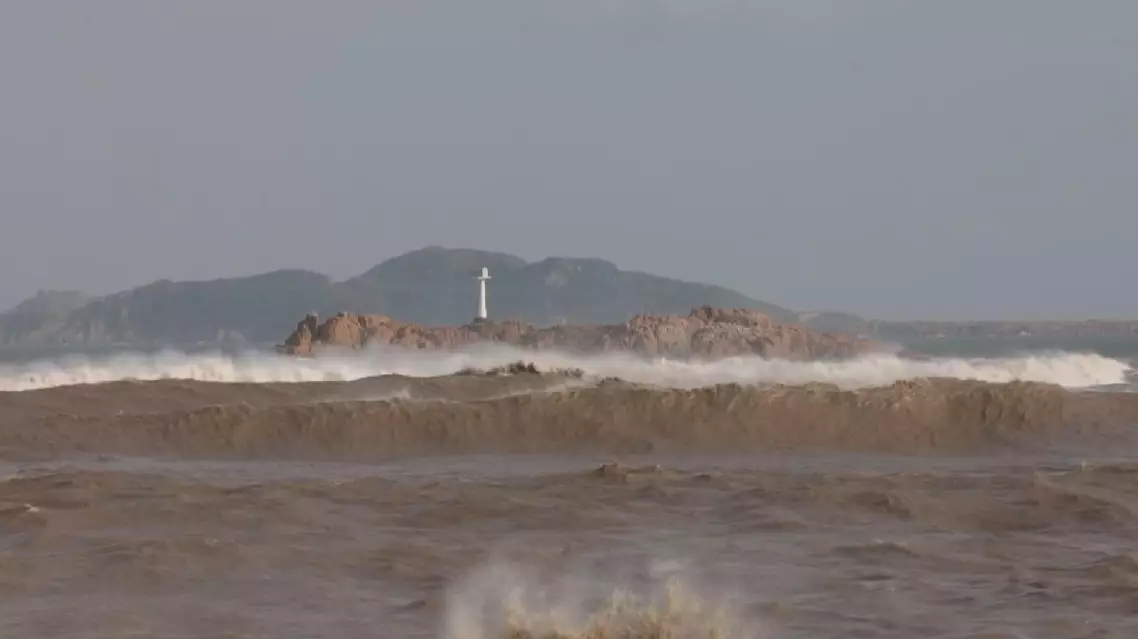
Super El Nino fuels typhoon activity in Western Pacific: chief forecaster