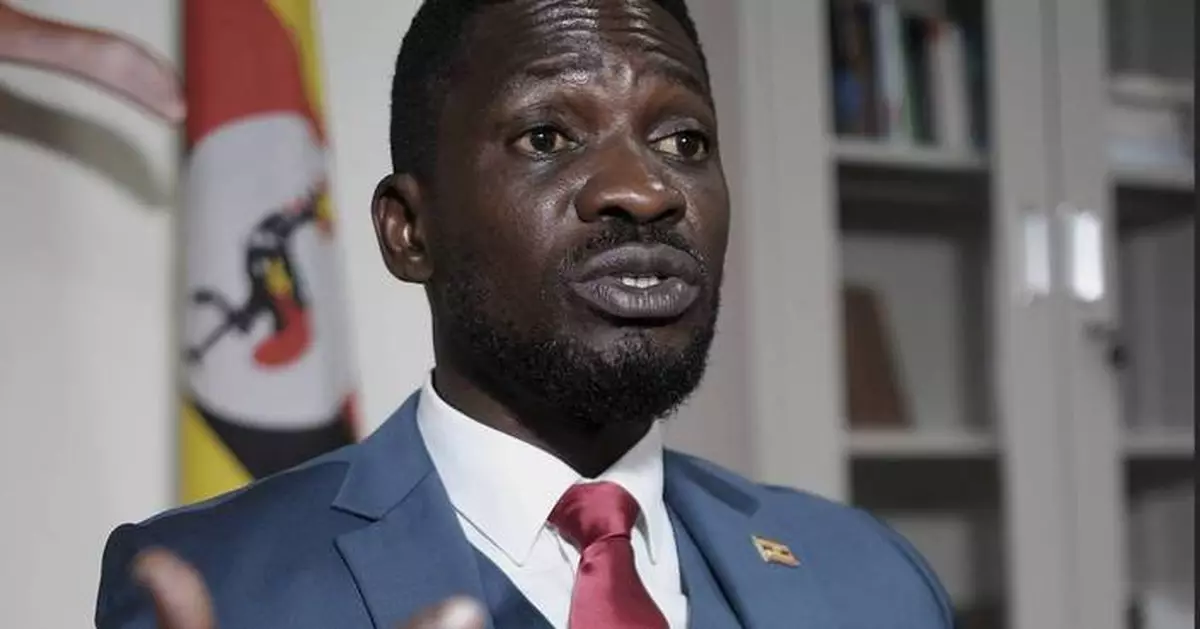
KAMPALA, Uganda (AP) — Opposition figure Bobi Wine said the political climate in Uganda has “gone from bad to worse” ahead of presidential polls set for early next year, citing threats to himself and other activists mobilizing against the longtime president.
Wine, a singer-turned-lawmaker whose real name is Kyagulanyi Ssentamu, said the threats he faces as President Yoweri Museveni’s main opponent “come in no unclear terms.”
Click to Gallery
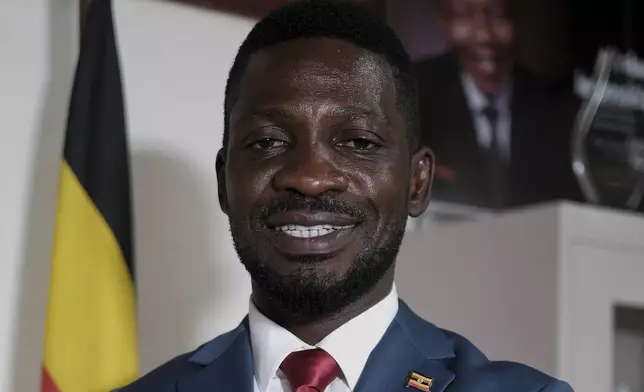
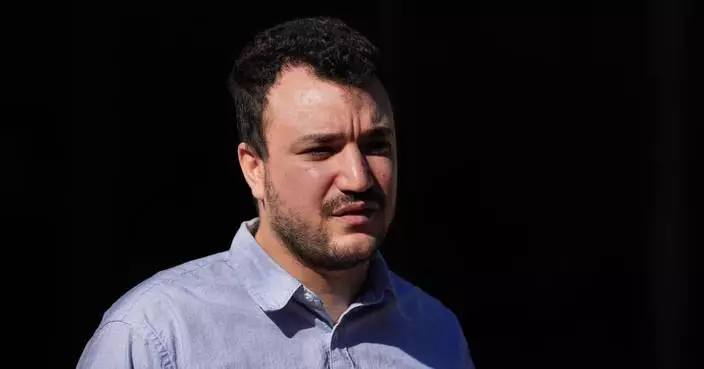
Ugandan singer, politician, and opposition figure Bobi Wine poses for a photo at his political party office (National Unity Platform) in Kampala, Uganda, Thursday, July 24, 2025. (AP Photo/Hajarah Nalwadda)
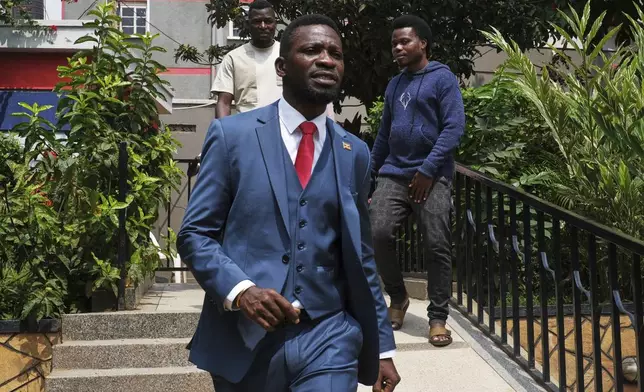
Ugandan singer, politician, and opposition figure Bobi Wine walks out of his political party office (National Unity Platform) in Kampala, Uganda, Thursday, July 24, 2025. (AP Photo/Hajarah Nalwadda)
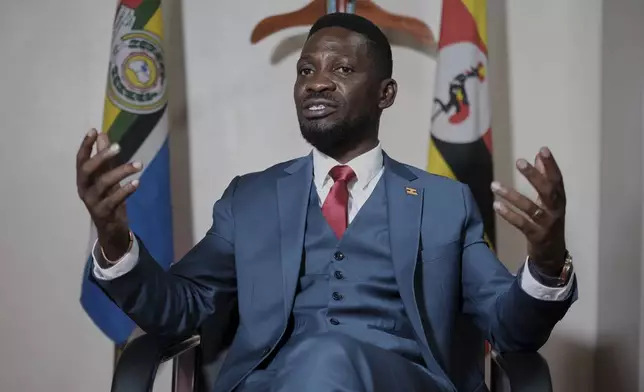
Ugandan singer, politician, and opposition figure Bobi Wine speaks to The Associated Press at his political party office (National Unity Platform) in Kampala, Uganda, Thursday, July 24, 2025. (AP Photo/Hajarah Nalwadda)
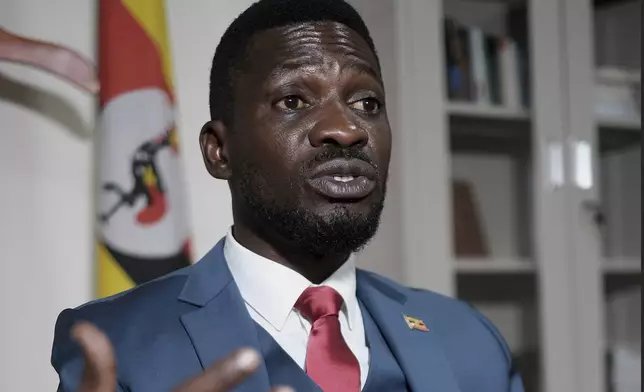
Ugandan singer, politician, and opposition figure Bobi Wine speaks to The Associated Press at his political party office (National Unity Platform) in Kampala, Uganda, Thursday, July 24, 2025. (AP Photo/Hajarah Nalwadda)
Fears for Wine's safety have grown in recent months, fueled by regular attacks on X from Museveni’s son and presumptive heir, army chief Muhoozi Kainerugaba. In January, Kainerugaba wrote he “would cut off” Wine’s head if the president allowed it, and he drew widespread criticism in May for saying he was holding Wine’s missing bodyguard “in my basement.” The bodyguard later appeared unable to walk without support when presented in court, the apparent victim of torture.
“It’s a constant reminder that the threat is real, because this is no ordinary person,” Wine said, speaking of Gen. Kainerugaba. “This is a person that is not only the son of the person in charge of the country but is also the person in charge of all the organs of violence. He heads the military, the police, the prisons, you know. He is above the law, and he has acted as such.”
Wine, 43, spoke to The Associated Press in an exclusive interview at the headquarters of his National Unity Platform party in the Ugandan capital of Kampala, a site briefly occupied by security forces in a raid last month.
Museveni, 80, who has ruled Uganda since 1986, dismisses Wine as an agent of foreign interests and has even questioned his patriotism. But Wine, who denies the allegations, has a large following among working-class people in urban areas, and his party has the most seats of any opposition party in Parliament.
In the 2021 election, Wine secured 35% of the vote, while Museveni, with 58%, posted his worst-ever result, establishing Wine as the president's most potent challenger in decades. Wine alleged his victory was stolen through widespread ballot stuffing and other malpractices. Electoral authorities disputed the allegations.
Wine’s party claims dozens of its followers have been jailed or disappeared since 2021. For Wine, the attacks are meant to “send fear down the nerves of all those that work with me and all those that stand for what I stand for.”
Wine and Museveni are set to face each other again in presidential polls scheduled for January 2026.
Museveni has been campaigning in recent days in Kampala as he tries to bolster his chances among people likely to support Wine, urban dwellers often without a reliable source of income and who hope a change of government will benefit them.
Wine often describes himself as a “ghetto president,” citing his early days in a poor neighborhood in Kampala. He has maintained a high profile in this East African nation since the early 2000s, when he rose to fame as a singer whose dancehall music captivated audiences. Wine’s compositions later grew critical of the government, earning him a reputation as a prominent contrarian while his musical peers were sometimes seen to be supportive of the government.
His election to a parliamentary seat in 2017 marked his formal entry into national politics.
Wine told the AP he is mobilizing his supporters to show up in what he calls a “protest vote” against everything he believes is wrong with the government. But his attempts to hold rallies across the country are often thwarted by security forces who cite a need to protect public order.
Kainerugaba, the army chief, recently said that government-provided guards will protect all presidential candidates, a warning to Wine and others against making private security arrangements. Kainerugaba's stated presidential ambitions have exacerbated fears of family rule in a country that has never witnessed a peaceful transfer of power since independence in 1962.
“It speaks of state capture. It speaks of impunity. It speaks of family rule,” Wine said about the threats from Kainerugaba.
Yet, he said, his resistance has only increased in the face of pressure.
“Our resolve has become firmer," he said.
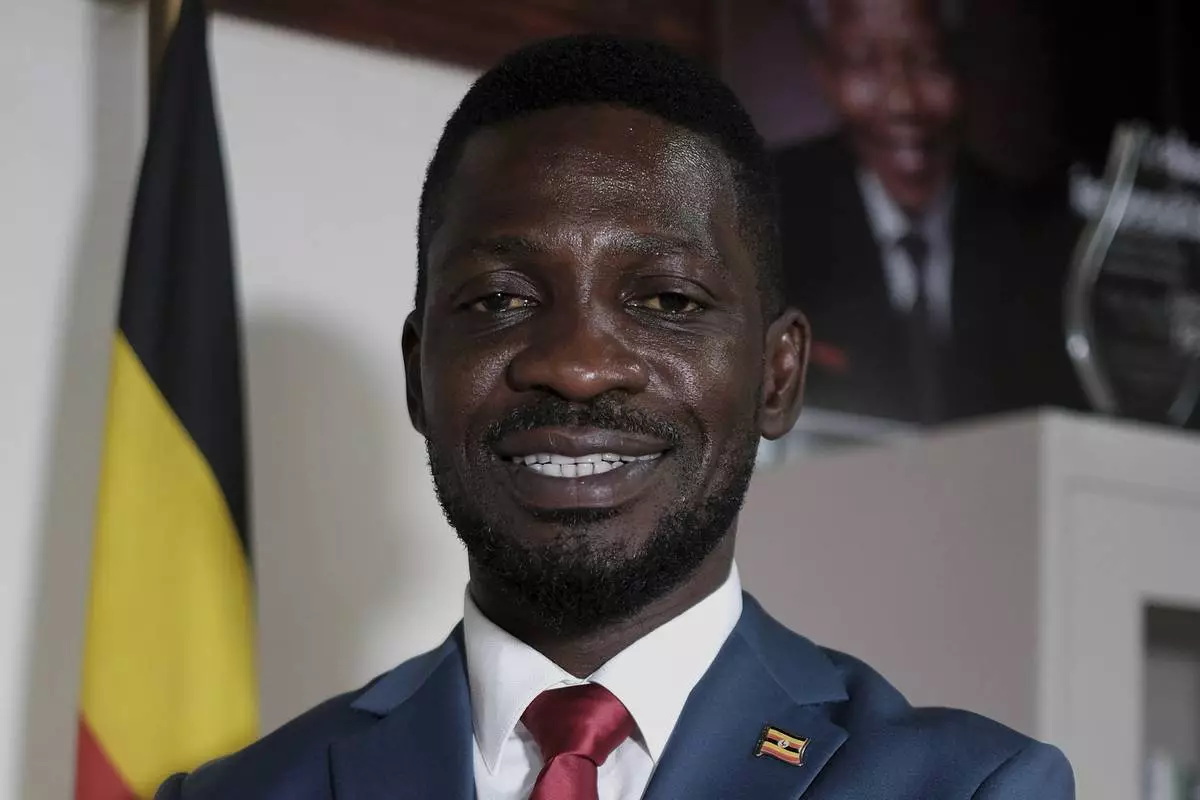
Ugandan singer, politician, and opposition figure Bobi Wine poses for a photo at his political party office (National Unity Platform) in Kampala, Uganda, Thursday, July 24, 2025. (AP Photo/Hajarah Nalwadda)
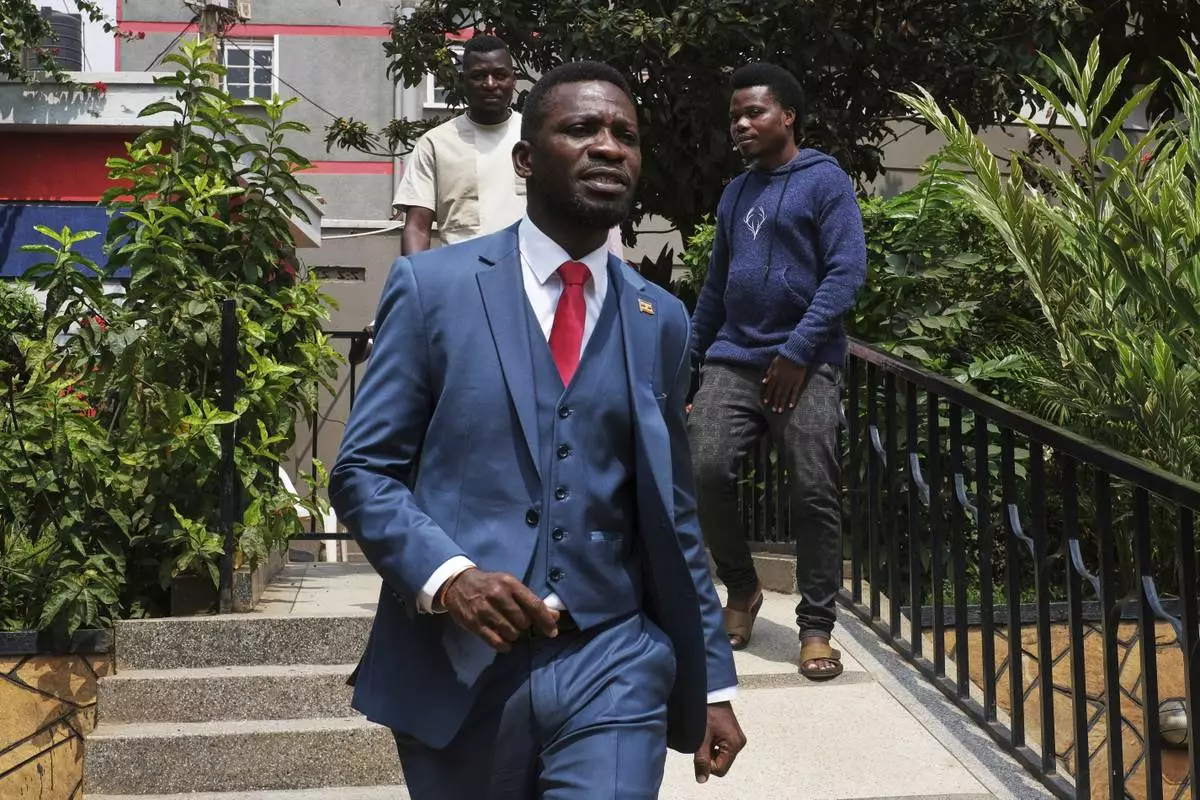
Ugandan singer, politician, and opposition figure Bobi Wine walks out of his political party office (National Unity Platform) in Kampala, Uganda, Thursday, July 24, 2025. (AP Photo/Hajarah Nalwadda)
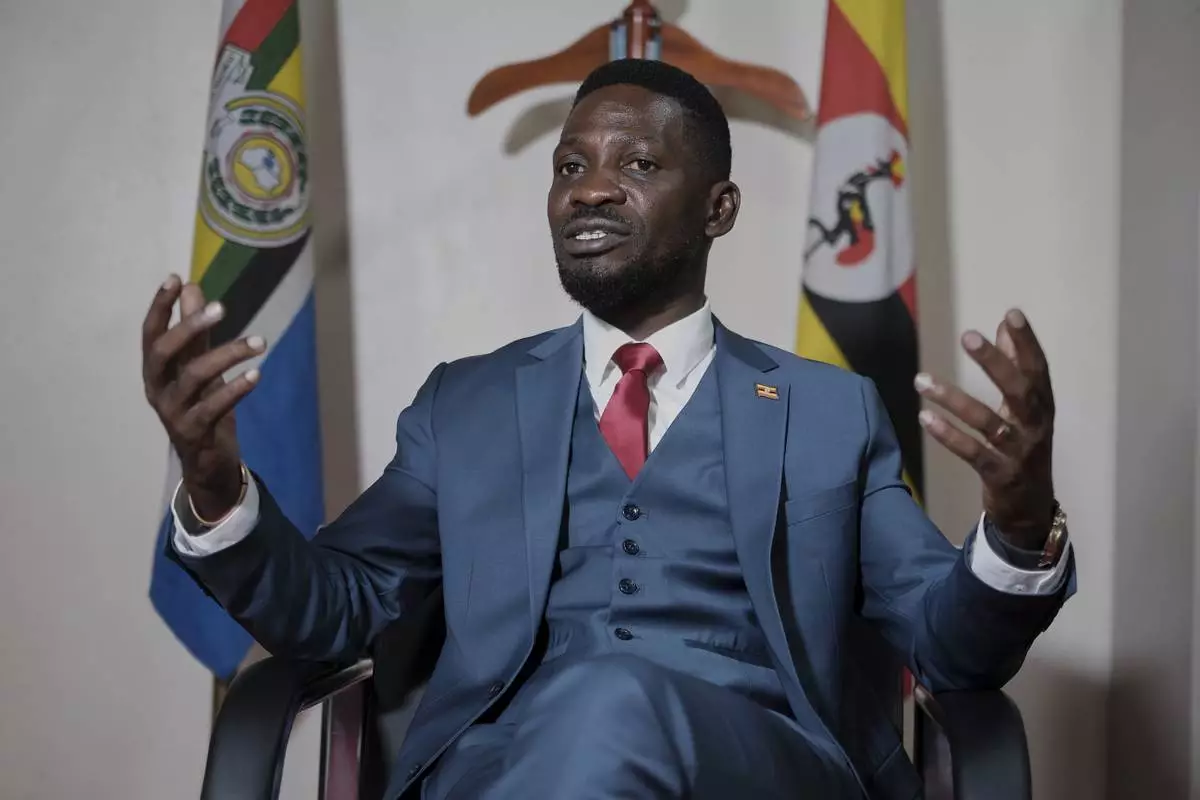
Ugandan singer, politician, and opposition figure Bobi Wine speaks to The Associated Press at his political party office (National Unity Platform) in Kampala, Uganda, Thursday, July 24, 2025. (AP Photo/Hajarah Nalwadda)
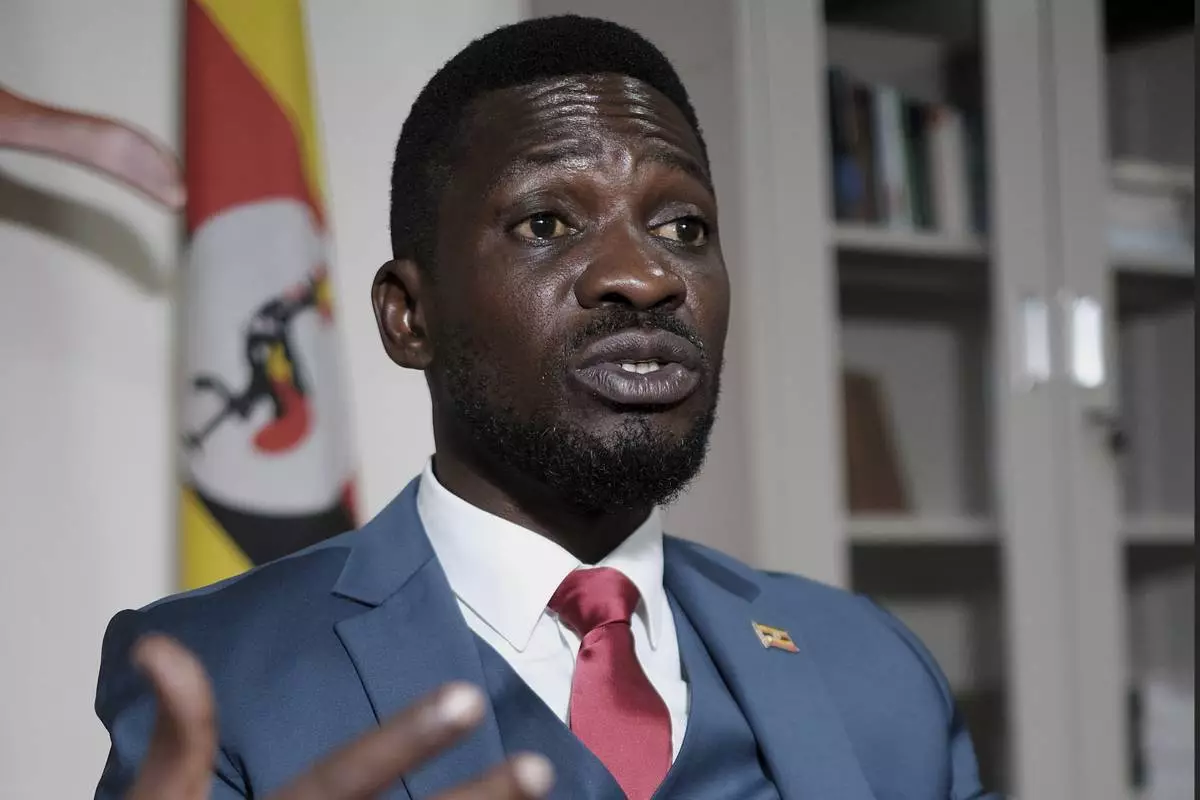
Ugandan singer, politician, and opposition figure Bobi Wine speaks to The Associated Press at his political party office (National Unity Platform) in Kampala, Uganda, Thursday, July 24, 2025. (AP Photo/Hajarah Nalwadda)