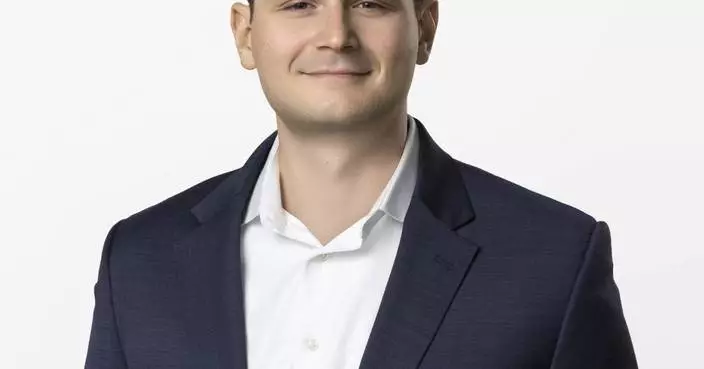
STOCKHOLM (AP) — A Swedish man was convicted and sentenced to life in prison on Thursday for his role in the 2015 killing of a Jordanian pilot by the Islamic State militant group, Swedish media reported.
1st Lt. Mu’ath al-Kaseasbeh, 26, was taken captive after his F-16 fighter jet crashed near the extremists’ de facto capital of Raqqa in northern Syria. He was forced into a cage that was set on fire in early 2015.
The suspect, identified by Swedish prosecutors as Osama Krayem, 32, is alleged to have traveled to Syria in September 2014 to fight for IS. Krayem, armed and masked, was among those who forced al-Kaseasbeh into the cage and to his death, prosecutors say. He can still file an appeal.
Krayem was indicted by Swedish prosecutors in May on suspicion of committing serious war crimes and terrorist crimes in Syria. He was previously convicted in France and Brussels for fatal Islamic State attacks in those countries.
Al-Kaseasbeh was the first known foreign military pilot to fall into the militants’ hands after the U.S.-led international coalition began its aerial campaign against the Islamic State group in Syria and Iraq in 2014.
Attorney Mikael Westerlund, who represented the pilot's family, said his clients were happy with Thursday's verdict after they had lost hope there would be justice for al-Kaseasbeh, TT reported.
Jordan, a close U.S. ally, was a member of the coalition and the pilot’s killing appeared aimed at pressuring the government of Jordan to leave the alliance.
In a 20-minute video released in 2015, purportedly showing al-Kaseasbeh’s killing, he is shown wearing an orange jumpsuit and standing in an outdoor cage as a masked militant ignites a line of fuel leading to it. He displayed signs of having been beaten, including a black eye.
The footage, widely released as part of the militant group’s propaganda, sparked outrage and anti-IS demonstrations in Jordan.
In 2022, Krayem was among 20 men convicted by a special terrorism court in Paris for involvement in a wave of Islamic State attacks in the French capital in 2015, targeting the Bataclan theater, Paris cafés and the national stadium. The assaults killed 130 people and injured hundreds, some permanently maimed.
Krayem was sentenced to 30 years in prison, for charges including complicity to terrorist murder. French media reported that France agreed in March to turn Krayem over to Sweden for the investigation and trial.
In 2023, a Belgian court sentenced Krayem, among others, to life in prison on charges of terrorist murder in connection with 2016 suicide bombings that killed 32 people and wounded hundreds at Brussels airport and a busy subway station in the country’s deadliest peacetime attack.
Krayem was aboard the commuter train that was hit, but did not detonate the explosives he was carrying.
Both the Paris and Brussels attacks were linked to the same Islamic State network.
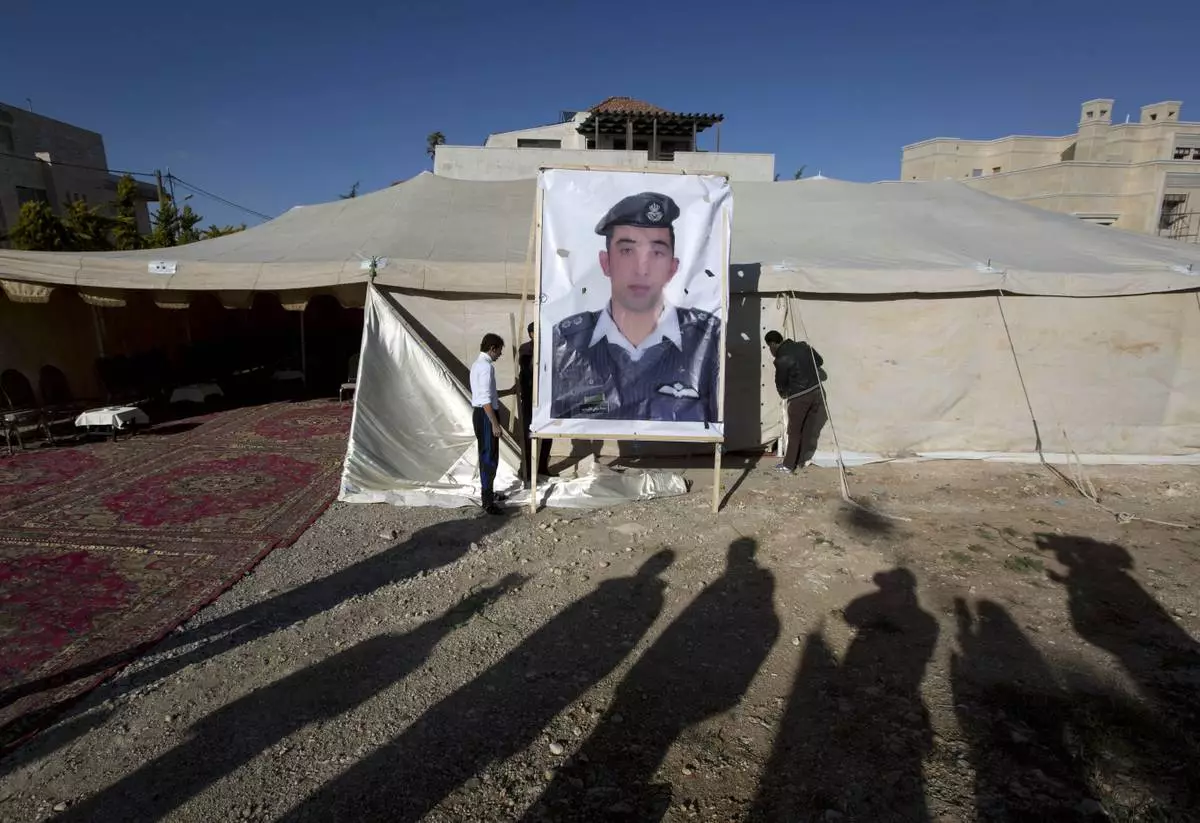
FILE - Workers raise a banner with a photo of Jordanian pilot Lt. Mu'ath al-Kaseasbeh, held captive by the Islamic State group, outside a tent for supporters in Amman, Jordan, on Jan. 30, 2015. (AP Photo/Nasser Nasser, File)
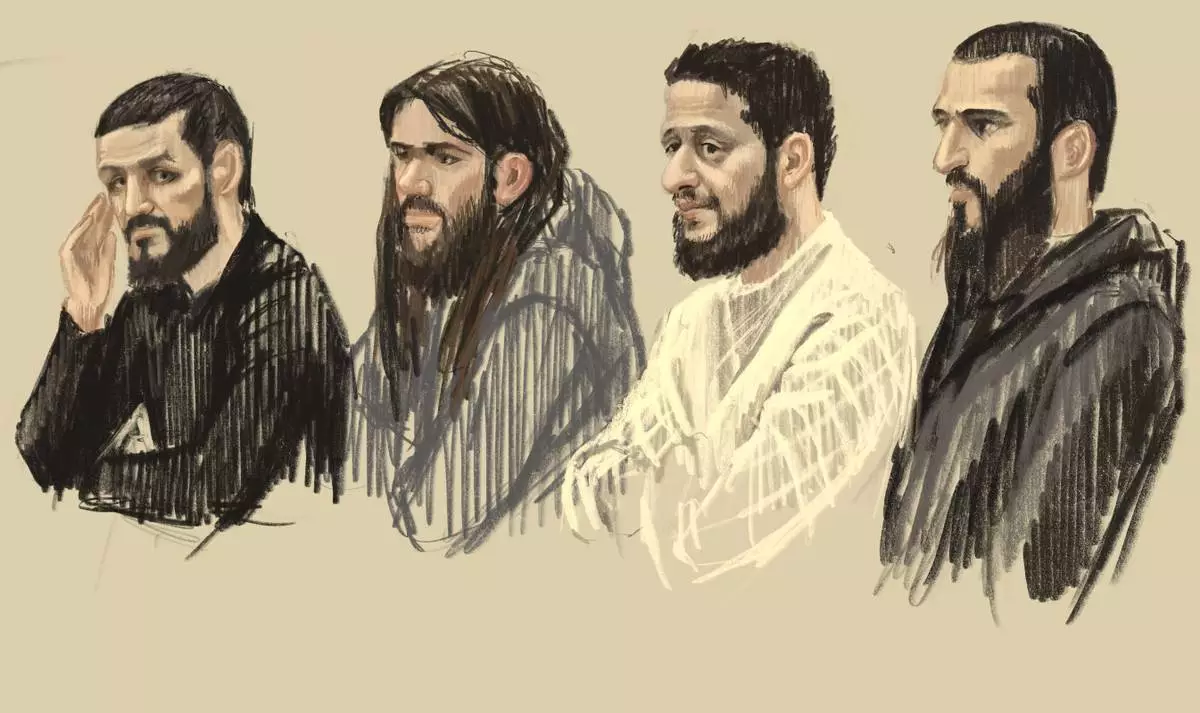
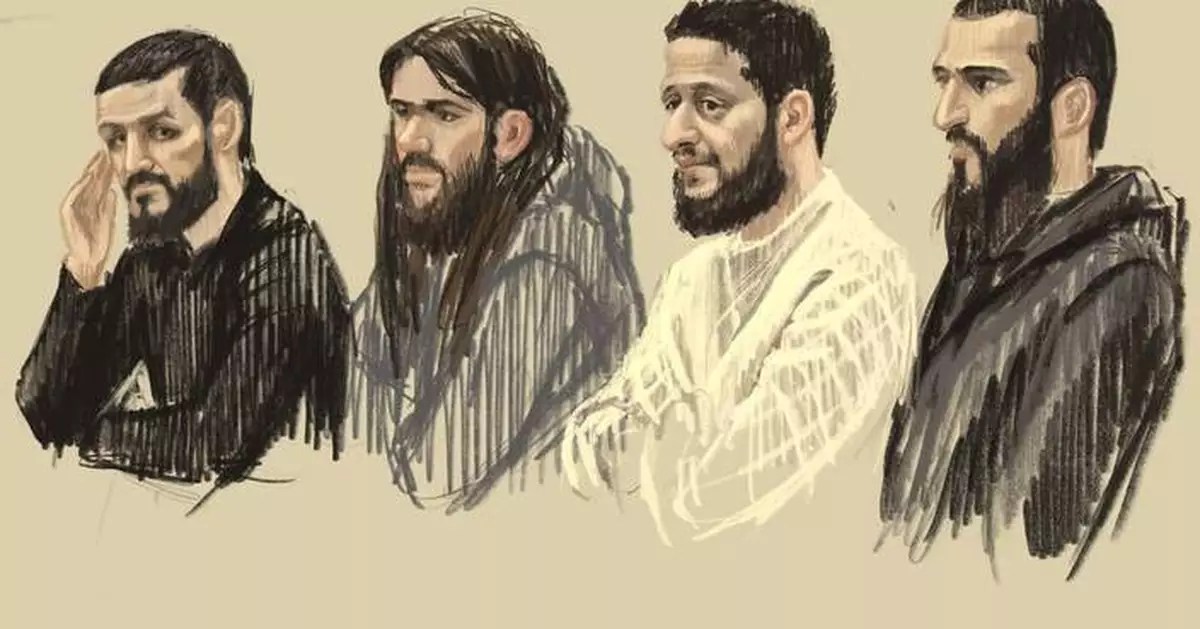
FILE - In this courtroom sketch, defendants from left, Mohamed Abrini, Osama Krayem, Salah Abdeslam and Sofiane Ayari look out from a specially designed glass box during the trial for the Brussels attacks, that took place on March 22, 2016, at the Justitia building in Brussels, Dec. 5, 2022. (Petra Urban via AP, File)
KAMPALA, Uganda (AP) — Uganda's President Yoweri Museveni, who has ruled the country for 40 years, had an early lead Friday in a tense presidential election marred by an internet shutdown, voting delays and opposition allegations of ballot stuffing and detentions by security forces.
Provisional results from half of the polling stations tallied so far showed Museveni with more than 70% of the vote while his main challenger Robert Kyagulanyi, the musician-turned-opposition leader best known as Bobi Wine, had 19%, according to the national electoral commission. Wine asked his supporters to “ignore fake results being announced.”
Activists protesting against the election results so far lit bonfires in the capital, Kampala, on Friday afternoon as the provisional results were being announced. The U.S. Embassy issued a security alert urging its citizens to be cautious as security officers were "firing into the air to disperse gatherings".
The 81-year-old Museveni has served the third-longest tenure of any African leader and is seeking to extend his rule into a fifth decade. The aging president’s authority has become increasingly dependent on the military, which is led by his son, Muhoozi Kainerugaba.
Wine, who is calling for political change, said he was unable to leave his house and that his polling agents in rural areas were abducted before the voting started, undermining his efforts to prevent alleged electoral offenses such as ballot stuffing.
Wine was hoping to end Museveni's four-decade rule in an election during which the military was deployed and heavy security was posted outside Wine's house near Kampala, the Ugandan capital, after the vote.
“He is a person of interest. He is a contestant,” police spokesman Kituuma Rusoke told local broadcaster NBS, suggesting heavy security deployment around Wine’s home was for his own security.
Several people were killed and others were injured in a violent incident in central Uganda that involved supporters of two parliamentary candidates, Rusoke said. He said that more than 20 opposition supporters were arrested.
Rusoke also said police had dispersed a group of “rowdy and riotous youth” in Kawempe, an area of Kampala. Witnesses in Kawempe said they heard gunfire as police in the streets dispersed protesters disputing the victory of a rival parliamentary candidate.
The security forces were a constant presence throughout the election campaign, and Wine said authorities followed him and harassed his supporters, using tear gas against them. He campaigned in a flak jacket and helmet due to his security fears.
Wine wrote Thursday on X that a senior official in his party in charge of Uganda's western region had been arrested. He charged that there was “massive ballot stuffing everywhere.”
Rural Uganda, especially the western part of the country, is a ruling-party stronghold, and the opposition would be disadvantaged by not having polling agents present during vote counting.
To try to improve his chances of winning, Wine had urged his supporters to “protect the vote” by having witnesses document alleged offenses at polling stations, in addition to deploying official polling agents.
Wine faced similar setbacks when he first ran for president five years ago. Museveni took 58% of the vote, while Wine got 35%, according to official results then. Wine said at the time that the election had been rigged in favor of Museveni, who has spoken disparagingly of his rival.
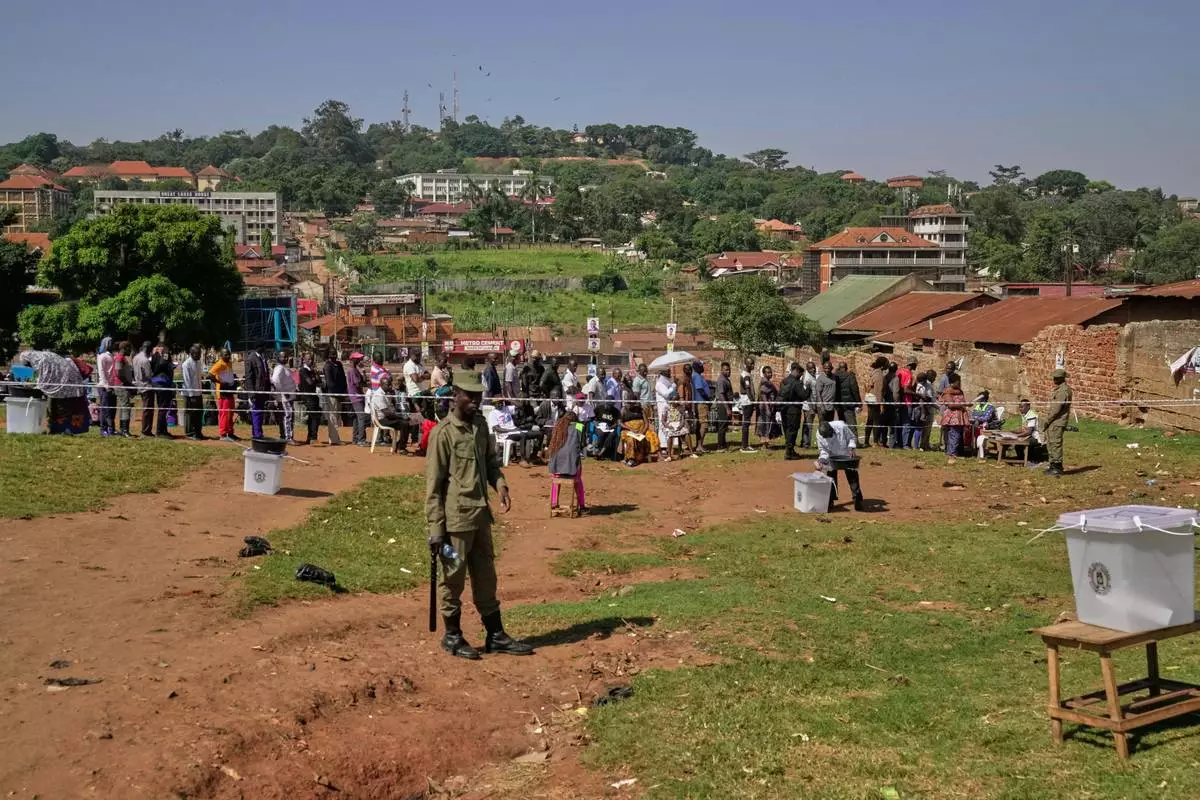
Voters line up to cast their ballots at a polling station, during the presidential election, in the capital, Kampala, Uganda, Thursday, Jan. 15, 2026. (AP Photo/Brian Inganga)
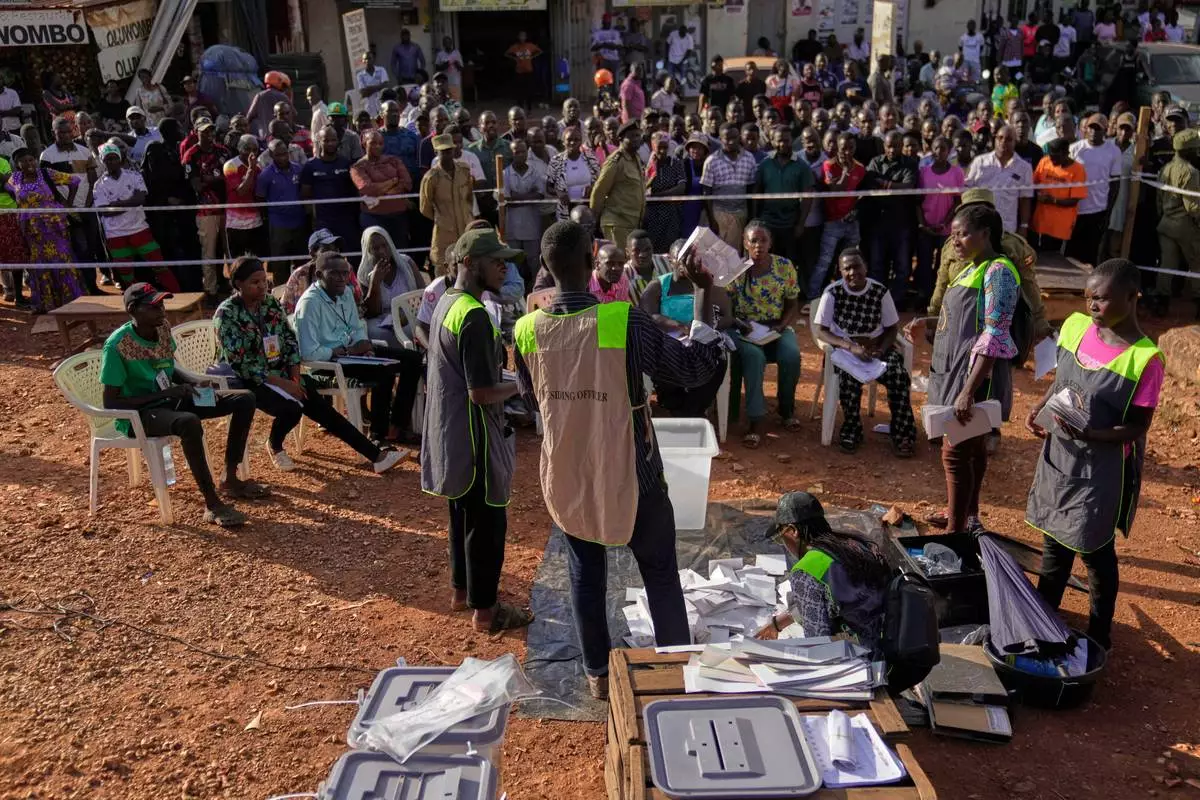
Election officials count ballots after the polls closed for the presidential election at a polling station in Kampala, Uganda, Thursday, Jan. 15, 2026. (AP Photo/Brian Inganga)
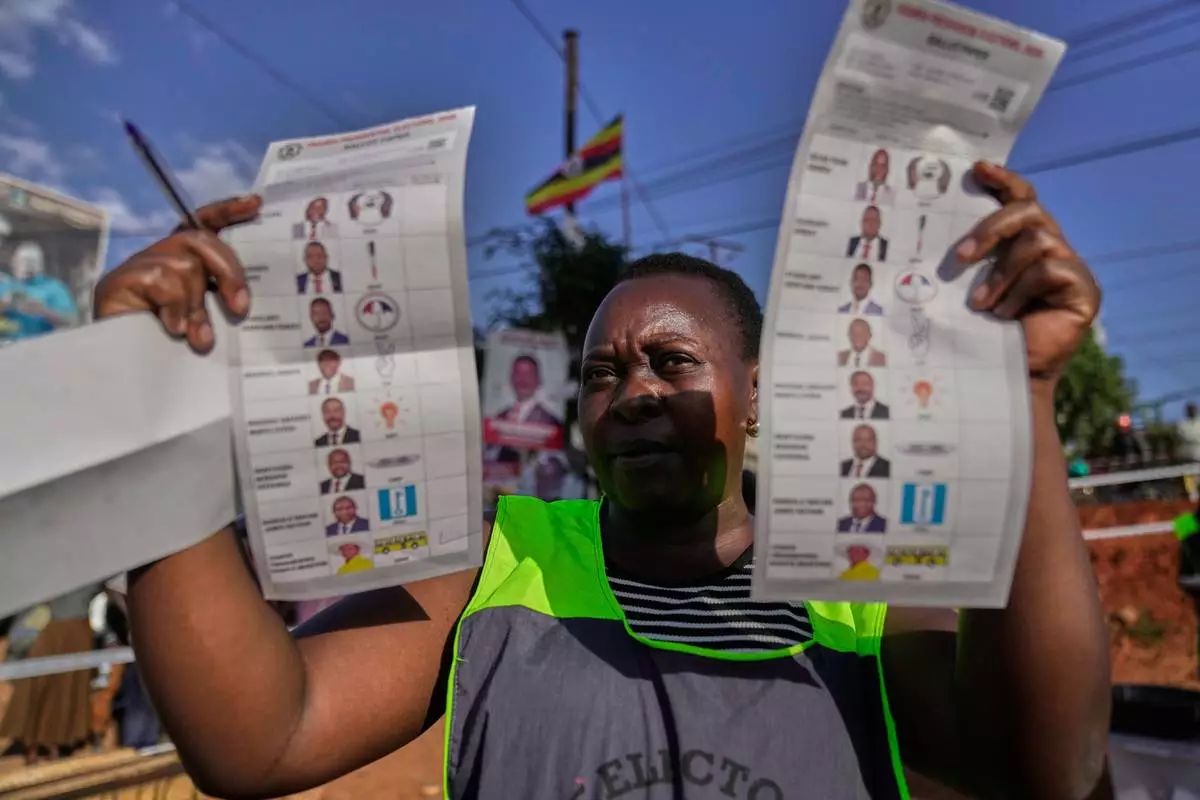
An election official holds up unmarked ballots during the vote count after polls closed for the presidential election, at a polling center in Kampala, Uganda, Thursday, Jan. 15, 2026. (AP Photo/Brian Inganga)
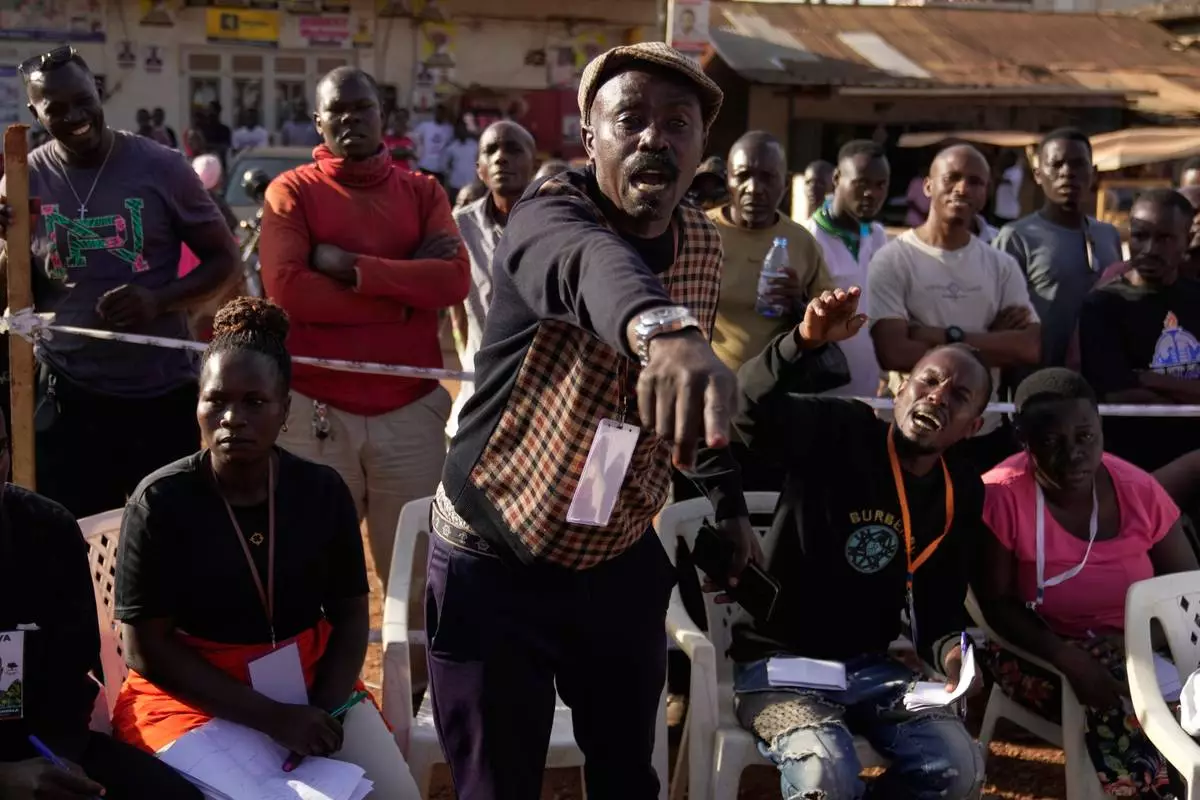
A political representative speaks as he works to observe and verify the counting of ballots after polls closed in the presidential election at a polling station in Kampala, Uganda, Thursday, Jan. 15, 2026. (AP Photo/Brian Inganga)
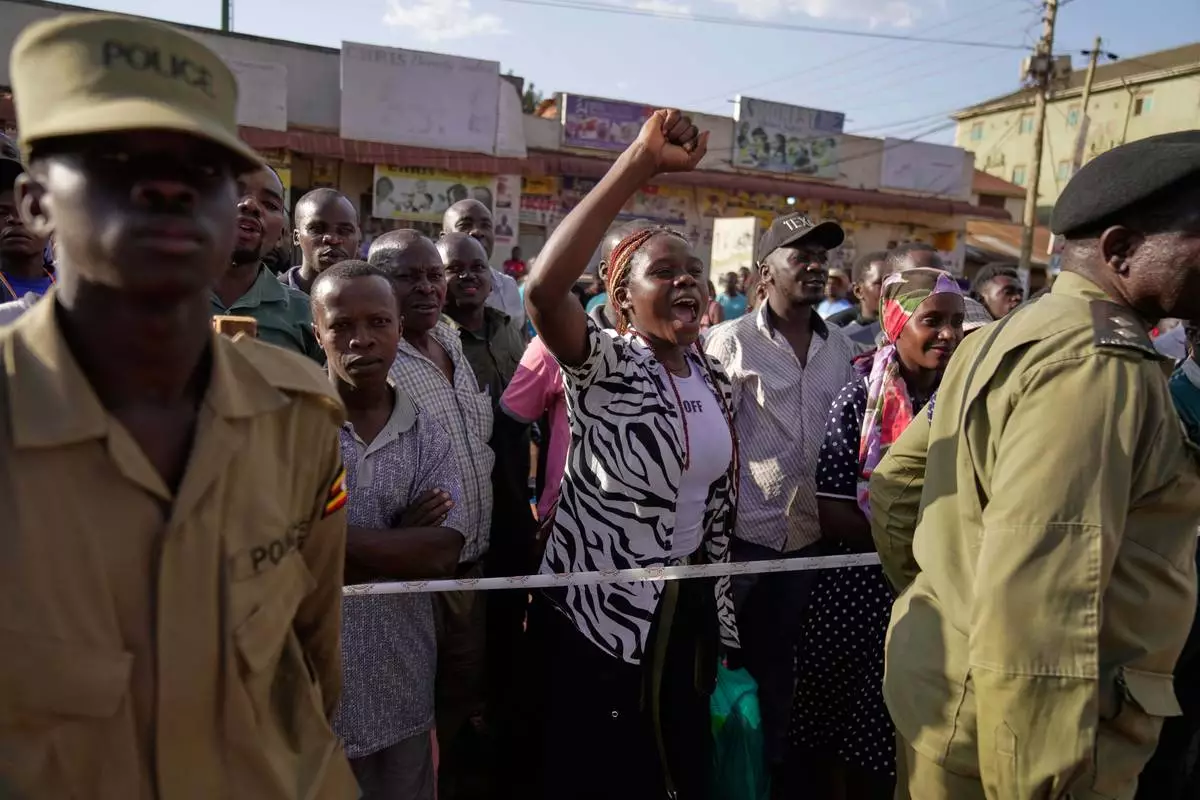
A supporter of leading opposition candidate Bobi Wine cheers while watching election officials count ballots, after polls closed at a polling station in Kampala, Uganda, Thursday, Jan. 15, 2026. (AP Photo/Brian Inganga)