As tensions continue to escalate in the Red Sea region, many fishermen living along Yemen's western coast are facing mounting difficulties, trapped between rising risks at sea and worsening hunger at home.
Once reliant on the bounty of the sea for their livelihood, they now find themselves navigating a dangerous and uncertain future.
In recent months, large swathes of Yemen's western maritime areas have increasingly become potential conflict zones. Ongoing war has disrupted traditional sales routes, while the soaring cost of fuel has further exacerbated the burden on fishermen already struggling to make ends meet.
Local fisherman Sohaib Abdullah said their ancestors fished for a living, and the sea nurtured them.
Yet, as the Red Sea situation continues to deteriorate, the fishermen are being pushed into smaller and smaller fishing areas, with many returning with empty nets most of the times now.
To secure even the smallest catch, fishermen are often forced to risk venturing close to dangerous waters.
"In the past, we lived better than these days. We used to go to the sea, work, catch fish, and earn from it. But these days, we go to the sea and return empty-handed. We are operating at a loss these days. Sometimes we make money, but most of the time we return in the red. We can't even cover our operational and labor costs. This is because of the frequent conflicts and the lack of any security guarantees," said Abdullah.
Their challenges do not end at sea. Skyrocketing fuel prices have wiped out already meager profits, and the absence of repair workshops has rendered dozens of fishing vessels inoperable.
Compounding the crisis, the lack of cold storage and processing facilities means much of the catch quickly loses its value.
Meanwhile, inadequate government support for the fishing industry and the heavy damage sustained by local ports due to ongoing conflict have made it nearly impossible for fishermen to access external markets.
For these coastal communities, any halt in fishing activities spells the total loss of income for entire families.
With no safe path forward - either at sea or on land - fishermen are caught in a desperate struggle, where every decision carries the weight of survival.
"Business was good at first, and there was a functioning fish market. Now, prices are stagnant. Fishermen collect their catch and sell it to buyers who bring it into Saudi Arabia for export. When the fish arrives at the port, they are told the port is closed. Fishing businesses are generally ruined. There are no markets to sell fish, so the fishermen have to sell at the lowest prices. They also suffer from high fuel and boat parts prices, while fish prices are low," said Moataz Al-Kharj, local fishermen's representative in Mocha.
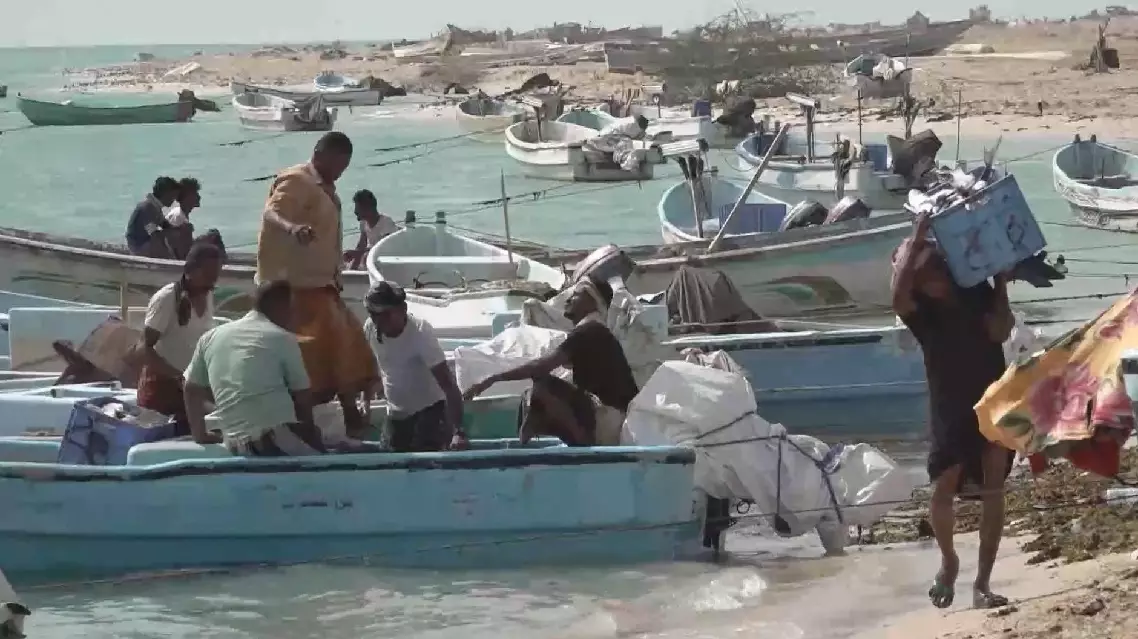
Yemeni coastal communities face hunger as Red Sea tensions disrupt livelihoods
Yemeni coastal communities face hunger as Red Sea tensions disrupt livelihoods
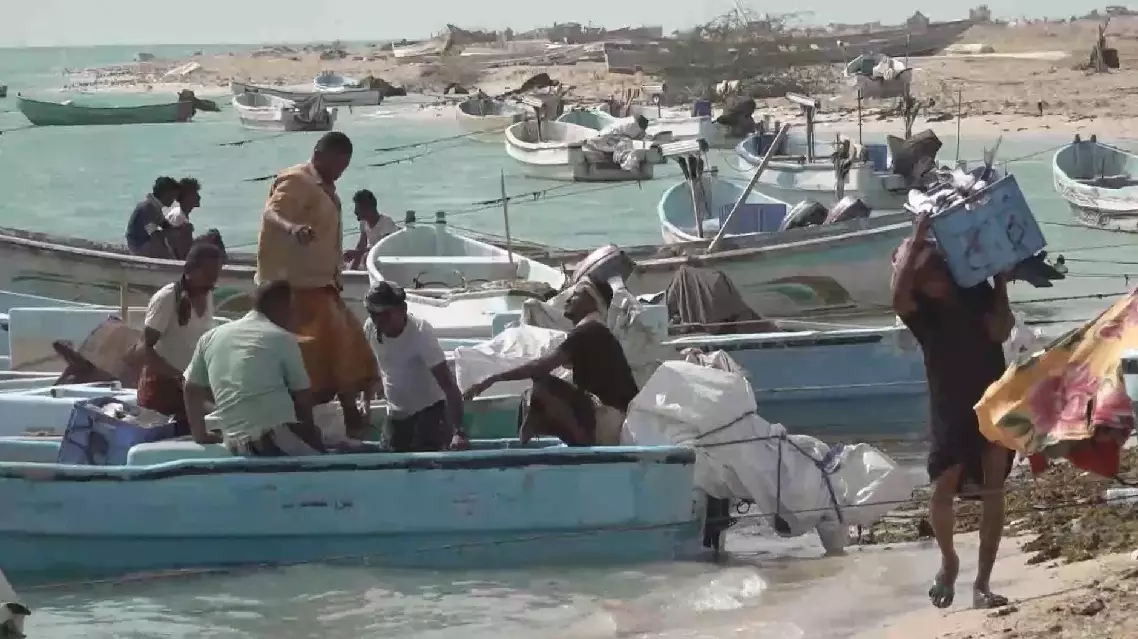
Yemeni coastal communities face hunger as Red Sea tensions disrupt livelihoods