China's railway system handled over 456 million passenger trips from July 1 to August 1 during this year's summer travel rush, up 3.6 percent year on year, according to its operator.
The passenger volume growth reflects continuous improvements in rail transport capacity. Since implementing a new national railway operating plan on July 1, China's railway network has maintained a daily average of 11,416 passenger trains, representing a 9.3 percent year-on-year increase, said China State Railway Group Co., Ltd.
During the peak summer travel period, railways have effectively responded to robust tourism demand by operating specialized services including parent-child excursions, educational tours, red tourism routes, and senior-friendly "silver-haired" trains. In July alone, the national railway system organized 266 customized tourist trains.
China's railway services achieved new upgrades this summer, with 19 major stations nationwide rolling out innovative luggage handling services.
"The growth in passenger traffic during the summer travel rush demonstrates how China's railway system has effectively stimulated market demand through consumer-oriented service innovations, while also showcasing new progress in optimizing transportation structure," said Lu Chengyun, a researcher at the Institute of Transportation Research under the National Development and Reform Commission.
The summer travel rush is usually a busy season for the railway network as college students return home and families travel. This year's summer travel rush will last for 62 days from July 1 to Aug 31.
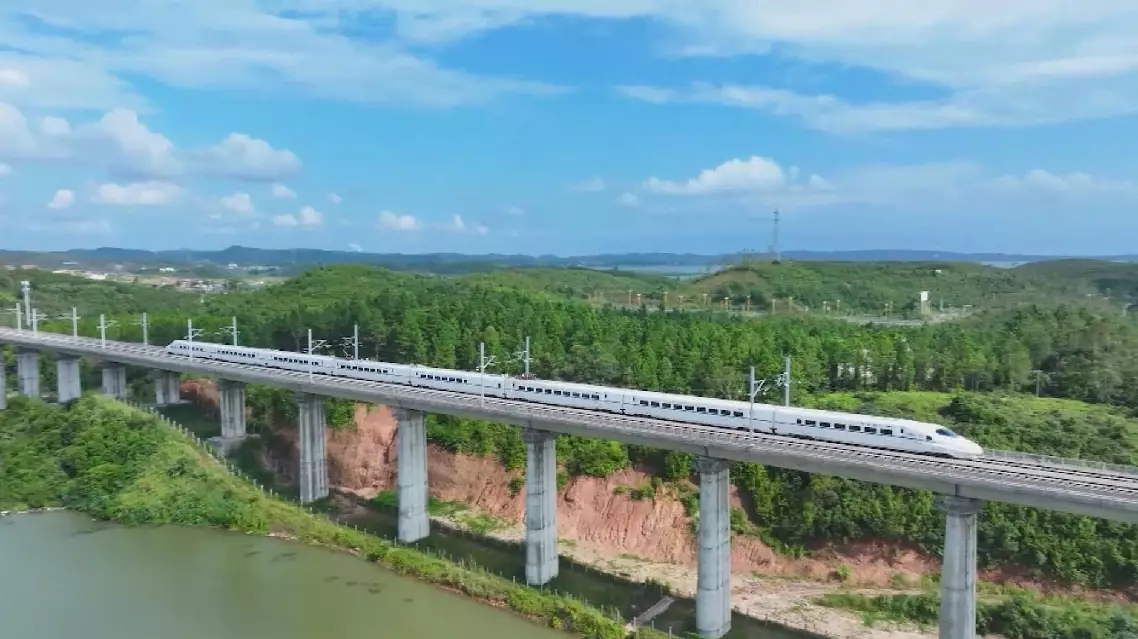
China's midpoint of summer transportation reports 456 mln railway passenger trips
A Japanese lawmaker has raised concerns over Japan's push to expand its military and its nuclear policy.
Responding to some politicians' dangerous tendency towards possessing nuclear weapons, Takara Sachika, a member of Japan's House of Councilors, said that Japan's push to strengthen its military, combined with what she called a misguided nuclear policy, not only heightens regional tensions but also directly threatens regional security.
"I think this is completely unacceptable. Japan is a country that has suffered atomic bombings and is one of the nations most aware of the threat posed by nuclear weapons. Yet such a country is openly discussing the issue of possessing nuclear weapons and even attempting to revise the principle of not allowing the introduction of nuclear weapons, one of the Three Non-Nuclear Principles. This is an extremely serious problem," Takara said.
Takara said the Japanese government's tendency to expand its military capabilities is completely contrary to the Constitution.
"From the perspective of Japan's Constitution, Japan should never have adopted a policy of ensuring security by strengthening military capabilities. Yet today, enormous effort is being poured into military expansion, and that in itself is a serious problem," said the lawmaker.
At a Diet meeting in early November 2025, Japanese Prime Minister Sanae Takaichi said that what she described as the Chinese central authorities' "use of force on Taiwan" could constitute a "survival-threatening situation" for Japan, and suggested the possibility of armed intervention in the Taiwan Strait, drawing strong criticism worldwide.
Takara urged Takaichi to retract her erroneous remarks as soon as possible.
"I think there is a very big problem with making such remarks that provoke other countries. It is necessary to thoroughly examine the facts as soon as possible and withdraw the relevant remarks," she said.
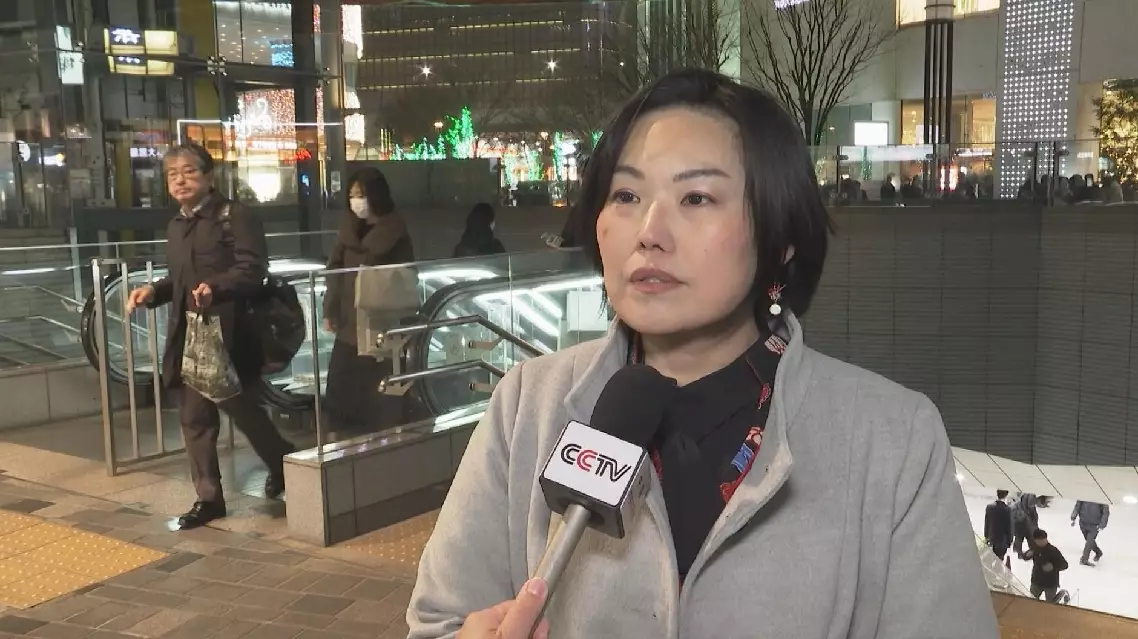
Japanese lawmaker criticizes nuclear weapons remarks as threat to regional security