In response to reports of cases of Chikungunya fever, a mosquito-borne viral disease, authorities in south China’s Guangdong Province have been deploying a full arsenal of preventive measures, including juvenile fish, sterile mosquitoes, and drones, to bring the spread of the disease under control.
In Foshan City, "electronic sentries" have been used to lure and monitor mosquitoes in real time across outbreak zones.
The release of 4,200 fish -- including silver carp that feast on mosquito larvae -- in the waters across Foshan is part of ongoing research by local authorities in to the best ways of eliminating the mosquitoes that carry the virus.
"We've experimented with using fish fry to target mosquitoes during their egg-laying and larval stages. This is just a small-scale trial. As for its effectiveness, we'll need further observation," said Zhang Huabin, from the Urban Management and Comprehensive Law Enforcement Bureau in the city’s Chancheng district.
Perhaps the most unconventional step is turning sterilized mosquitoes against the wild population.
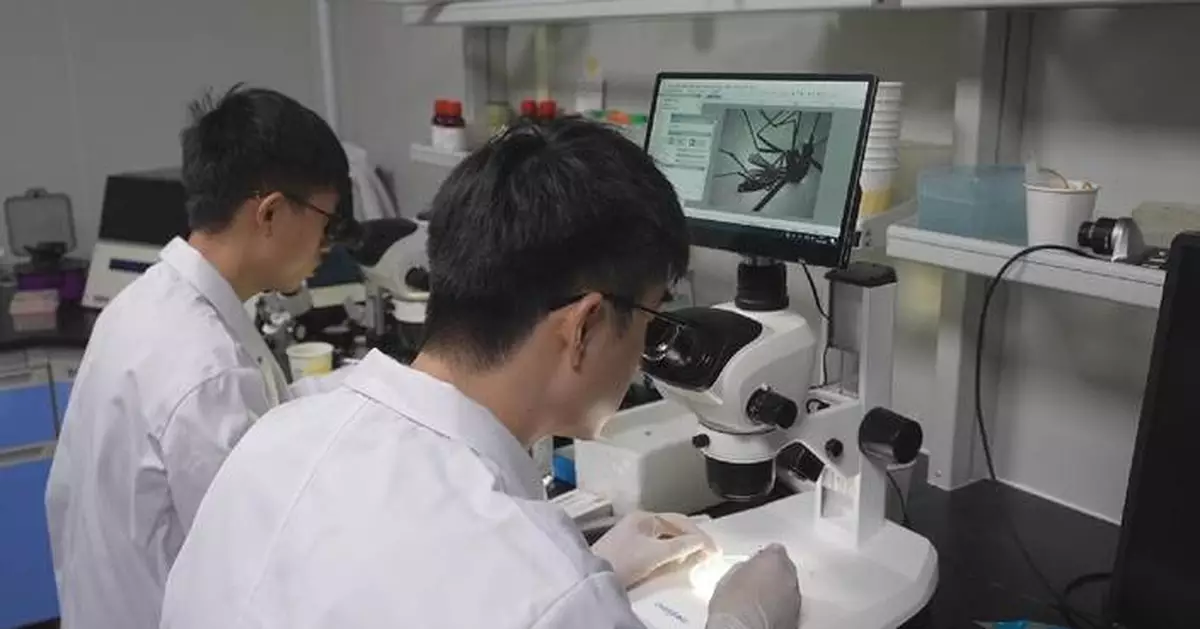
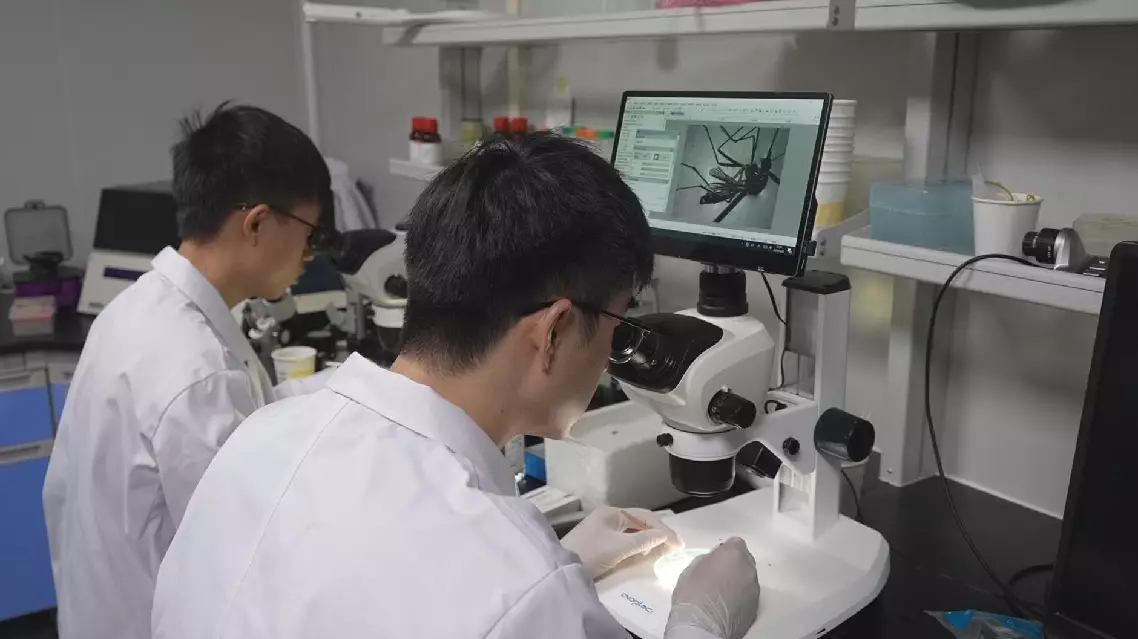
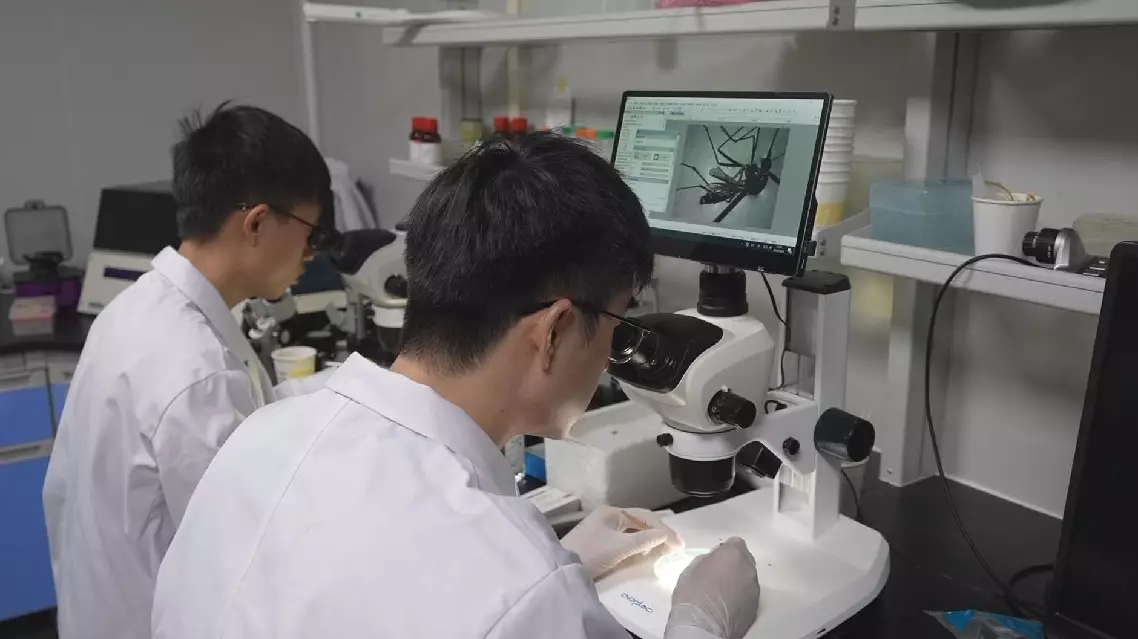
In neighboring Guangzhou City, a "mosquito factory" produces five million sterile males weekly which, when released, will disrupt the breeding patterns of wild populations.
"Our technology can reduce mosquito populations by 50 percent in three weeks and by 80 percent within six to eight weeks," said Gong Juntao, technical director of Guangzhou Wolbaki Biotech.
High above Guangzhou, meanwhile, drones are locating and marking mosquito breeding sites for precise elimination as the battle to suppress the spread of the virus continues.
Guangdong steps up mosquito control amid Chikungunya outbreak
Guangdong steps up mosquito control amid Chikungunya outbreak