The Brazilian coffee sector has been bracing itself for the damage brought by a new round of U.S. tariffs but, amid the turmoil, some see this as an opportunity for companies to get around the potential disruption by targeting new markets elsewhere.
Many Brazilian coffee producers and exporters had hoped their precious products would be spared from the U.S. tariff hikes, especially given coffee's weight in American consumer markets. But, despite widespread opposition, the 50-percent tariff imposed by the U.S. on Brazilian products came into force on Wednesday.
It means Brazilian coffee is now subject to one of the steepest import duties in the world even though the U.S. sources about 35 percent of its coffee from Brazil.
Analysts note that while there are many advantages to having such a large market share under normal circumstances, it can also be risky business.
"Relying heavily on a single market is sometimes very positive. It's easier. You only need to understand one country's regulations, one consumer profile, and optimize production accordingly. That leads to lower costs and more efficiency. But it also creates vulnerability," said Juliana Inhasz, an economist for Insper, a private university based in Sao Paulo.
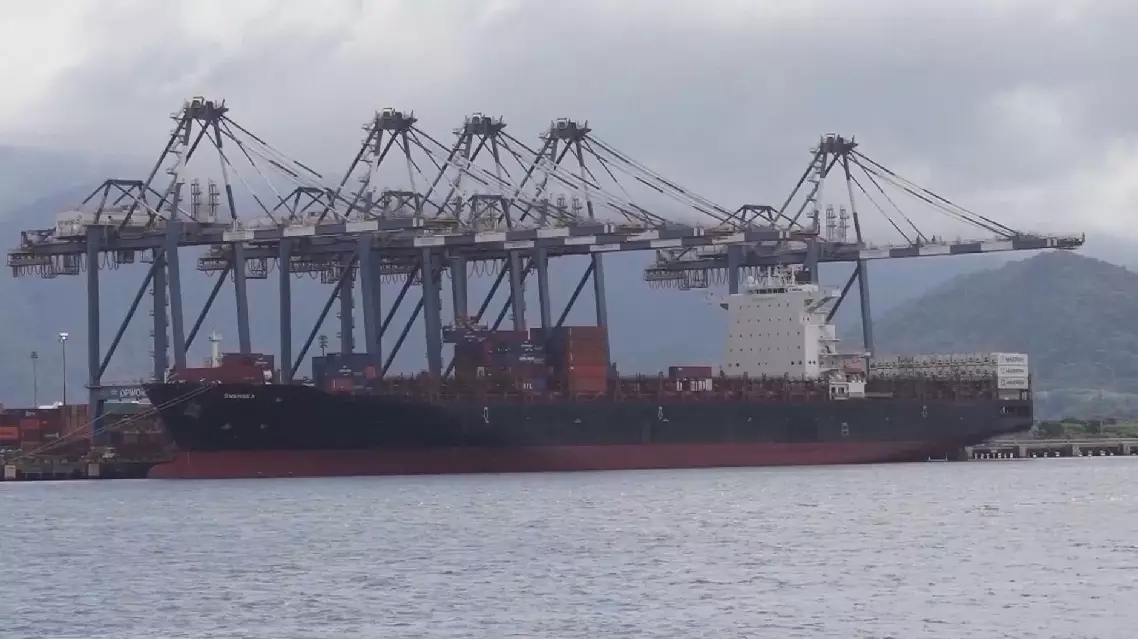
In recent years, Brazil has started diversifying its coffee exports and has been eying up more Asian and Middle Eastern destinations. Notably, on the same day the new U.S. tariffs were announced, China also authorized 183 additional Brazilian companies to export coffee to its vast market.
The growth of coffee consumption in China in recent years has been significant drawing attention from producers and traders worldwide and Brazil has been working to increase its share in that key market. With the Trump administration's new tariffs hitting Brazilian coffee hard, that push for expansion is accelerating.
While Brazil's coffee sector may be taking an immediate hit as it navigates this uncertain new tariff landscape, some believe it may actually end up stronger in the long run by becoming more diversified, more competitive, and more global.
"This is an opportunity for Brazil to become less dependent, to diversify markets, and to add value as China has a different perception of the quality of the Brazilian specialty coffees. So it has a good acceptance on these specific niche. So it's a way to add value also to our green beans and also [a good opportunity] for brands," said Victor Mellao, a coffee trader for the MasterInt Group.
As tensions with the U.S. have been heightened, Brazil is set to officially announce its response to the tariff increase on Aug. 18, when its foreign ministry files a request with the World Trade Organization (WTO) to challenge the measures adopted by the United States.
Brazilian coffee industry seeks out new markets as US tariffs hit hard