Kabul's depleting groundwater has plunged the Afghan capital into a worsening water crisis, intensifying the daily struggles of its residents.
The shortage has become a widespread problem, forcing thousands in some neighborhoods to purchase water just to meet their basic needs.
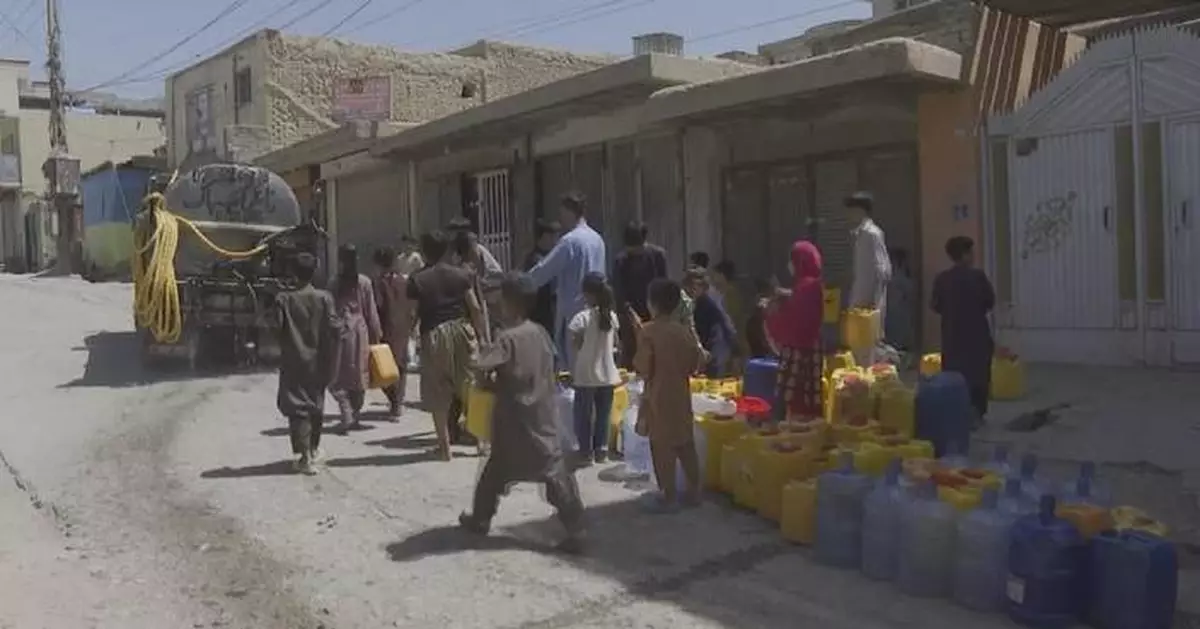
In District 7, children gather around a well after hearing about free water donations. The water is not drawn from the well, instead, it's bought with funds raised by local community representatives to combat the crisis. Recent hot weather has further spiked demand, prompting residents to take collective action.
Samar, one of the locals, coordinates the purchase and distribution of water to ensure families in the area can get by.
"That is a water storage tank. We buy water and fill it into the tank on the rooftop. Then, we distribute the water to poor families, who take it home for daily use, such as cooking, laundry, and bathing their children. The weather right now is very hot, close to 40 degrees Celsius, and the demand for water may increase further," said Samar.
Samar noted that the well in their district, which is about 160 meters deep, has nearly run dry. They are currently considering raising funds to drill a new well.
In Kabul, only a small number of offices and wealthy families can afford private wells. In most cases, people living in the same building or even an entire neighborhood share a single well. As a result, the drying up of each well may impact thousands of residents.
"About 250 households live near this well, with each household having five to ten members. They need water for drinking, bathing, and laundry. Without water, people simply cannot survive," Samar said.
For many impoverished families, the cost of purchasing water can account for half of their total income, placing an enormous financial burden on already vulnerable households.
The situation in District 7 is not an isolated case, and nearly half of the city's wells are either almost dry or completely depleted.
The Afghan war has contributed to this crisis by driving a massive influx of refugees into Kabul, swelling the population well beyond the city's original design capacity.
Experts have warned that if urgent measures are not taken, Kabul could become the world's first capital city to run completely out of usable water by 2030.
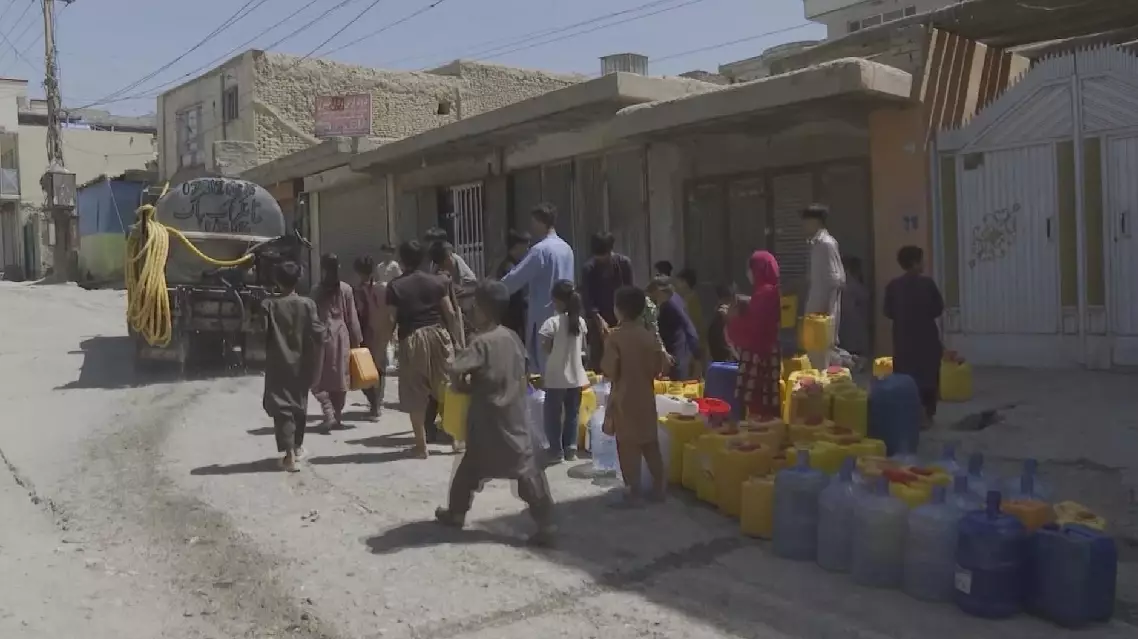
Kabul's depleting groundwater deepens struggles amid worsening water crisis
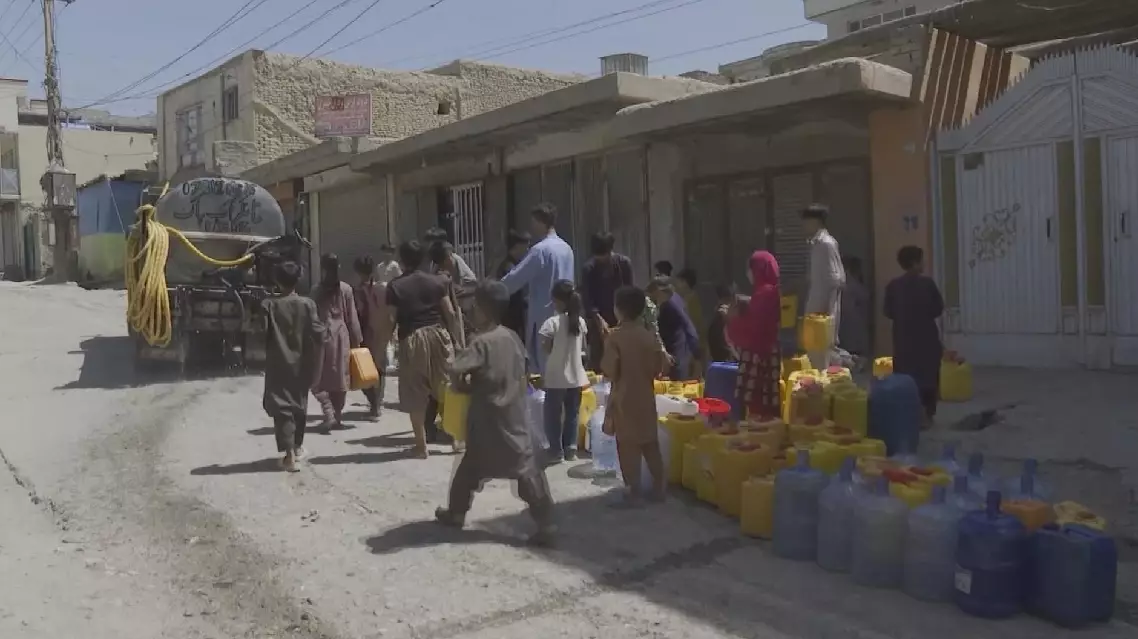
Kabul's depleting groundwater deepens struggles amid worsening water crisis