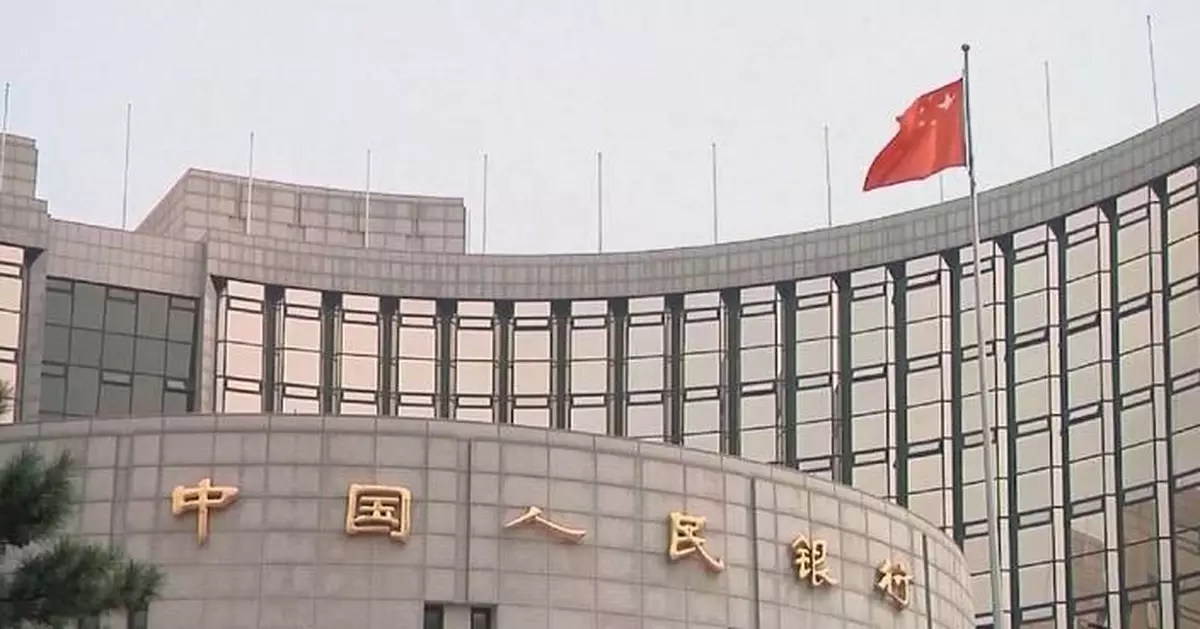
The People's Bank of China (PBOC), the country's central bank, conducted a 700-billion-yuan (about 98.11 billion U.S. dollars) outright reverse repo operation on Friday to maintain ample liquidity in the banking system.
This operation is conducted by using a fixed-quantity, interest-rate-bidding and multiple-price-bidding method, with a three-month tenor, according to a PBOC statement.
Outright reverse repo operations, a tool the central bank introduced in October 2024 to manage liquidity in the banking system, are carried out once each month with a tenor of no more than a year.
This new option has enriched the country's monetary policy toolkit following the earlier introduction of temporary repos, temporary reverse repos, and the buying and selling of treasury bonds.
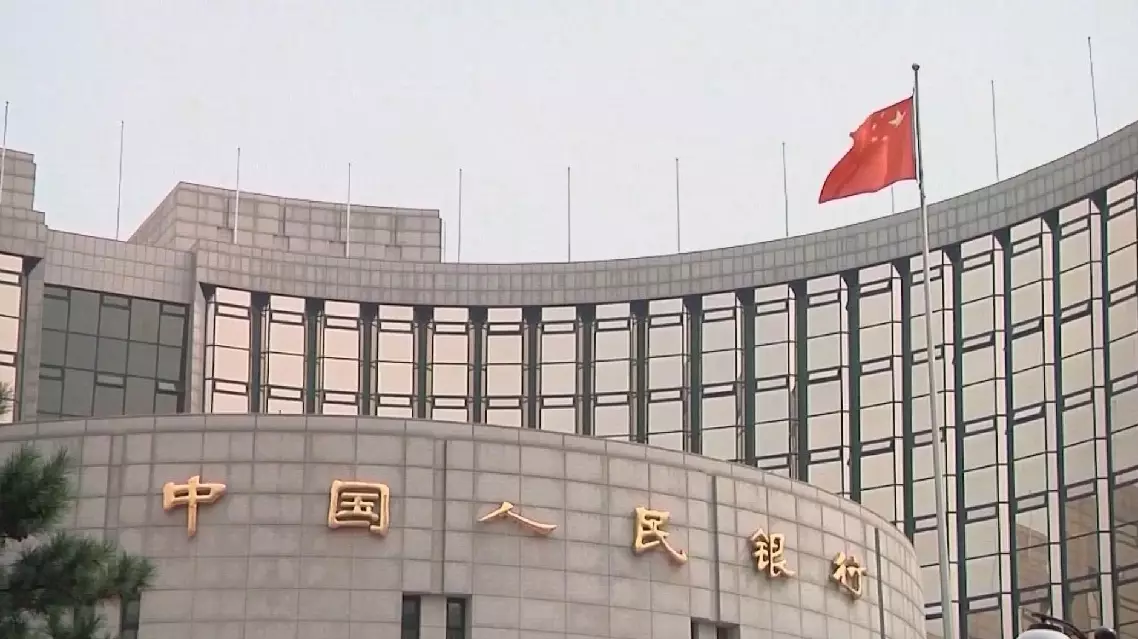
China's central bank conducts 700-billion-yuan outright reverse repo operation
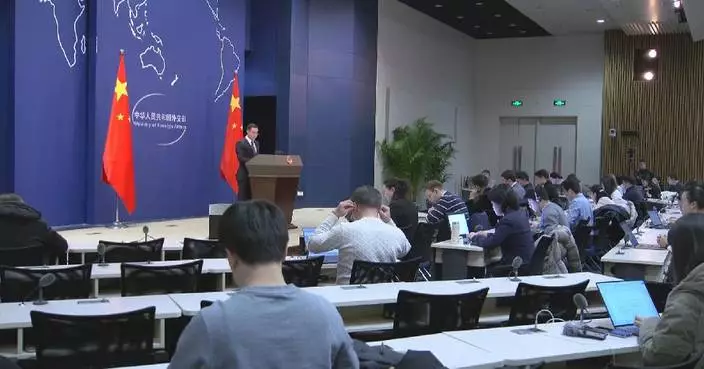
New growth points have emerged to drive China's consumption up in the transportation sector, Vice Minister of Transport Li Yang said at a press conference in Beijing on Tuesday.
He said efforts will be made to advance these new growth points.
One of the points is the expansion of cruise and yacht consumption in the country in recent years, and efforts are made to promote it, he said.
"Over the past three years, the average annual growth of newly registered yachts in China has remained above 40 percent, signaling a shift of yachts toward mass consumption and a new stage of scale development of the yacht industry. At present, we are studying to formulate a series of measures to expand yacht consumption and revise the Yacht Safety Management Regulations to promote consumption while ensuring safety," Li said.
Another new growth point is the small and mini passenger vehicle rentals in the country, he said, adding that the ministry is working to promote its high-quality development.
Currently, a total of approximately 4 million small and mini passenger vehicles are available for rental in China, and the industry remains in a stage of rapid development, Li said.
It is projected that during the 15th Five-Year Plan period (2026-2030), the national short-term rental vehicle market will maintain an average annual growth rate of around 15 percent, he said.
"Next year, we will address the current pain points, bottlenecks, and obstacles in the small and mini passenger vehicle rental sector, focusing more on enhancing vehicle supply during peak periods, collaborating with relevant departments to leverage transportation hubs such as high-speed railway stations, airports, and long-distance bus terminals, and promoting convenient, free or discounted one-way car rentals," Li said.
Still another growth point is the rise of road trips, he said, with a number of highways having become internet hype spots.
To encourage and sustain the trend, the ministry will also improve the highway service facility system, foster a batch of elite cross-regional routes for road trip makers, and make new growth points integrating transport with tourism, Li said.
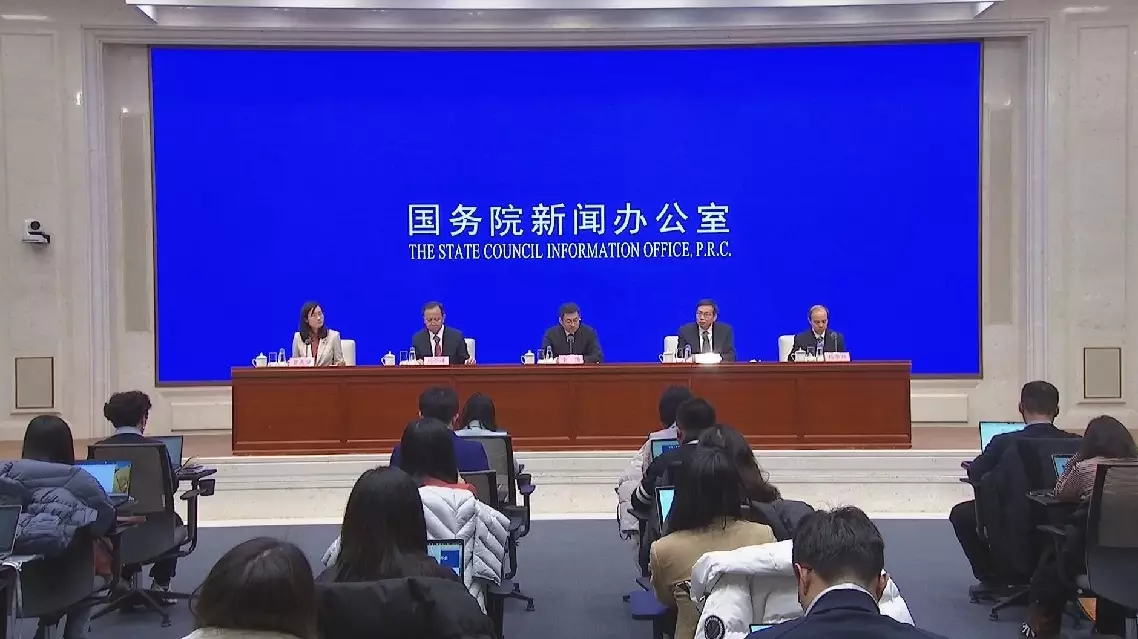
Official on new growth points in transportation consumption