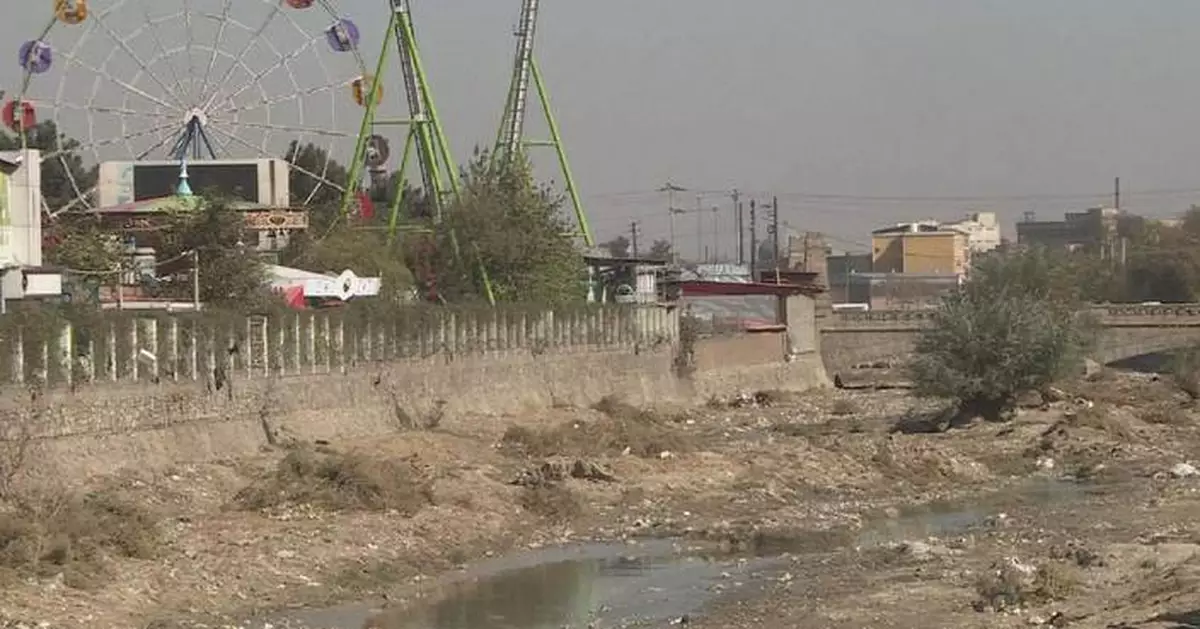
Twenty years after the U.S. military operations in Afghanistan, the toxic legacy still lives on in the drying water and contaminated soil across the country.
The U.S. war began in October 2001, and it ended in a chaotic withdrawal from Kabul on August 30, 2021. Though the withdrawal put an end to America's longest war, the environmental cost of nearly two decades of high-intensity combat continues to plague the Afghan people today.
"Bombers and tanks dropped munitions directly onto the land. Chemical agents released during the fighting flowed straight into canals and dams. The water was literally poisoned - undrinkable. Contaminated irrigation then drained the soil of its fertility," said Afghan international-affairs analyst Akram Zada.
Zada argues that the war damaged Afghanistan's environment on two fronts. Direct pollution from munitions was exacerbated by the indirect destruction caused by millions of displaced people who felled entire forests in their desperation for fuel, resulting in irreversible changes to the ecosystem.
"War created internal displacement. People moved from province to province, cutting down trees for firewood. Deforestation raised temperatures, affected the environment, and accelerated soil erosion," he explained.
The most dramatic single attack came in April 2017, when U.S. forces dropped the "Mother of All Bombs" on a tunnel complex in Nangarhar Province's Achin District. The 10,000-kg weapon was the largest conventional bomb ever used in combat. Analysts widely viewed the strike as a show of force, but its environmental impact is a long-term concern.
"In a place called Achin in Nangarhar, where allegedly extremists were hidden, the Americans deployed one of the most powerful and dangerous bombs in existence. This move led to years of contamination in the local environment, and this impact could persist for years to come. That area remains contaminated years later, and the effects could persist for years to come. Reliable sources also indicate that foreign troops used unauthorized weapons - possibly including chemical weapons and white phosphorus - which can cause extensive and lasting damage to the environment," Zada said.
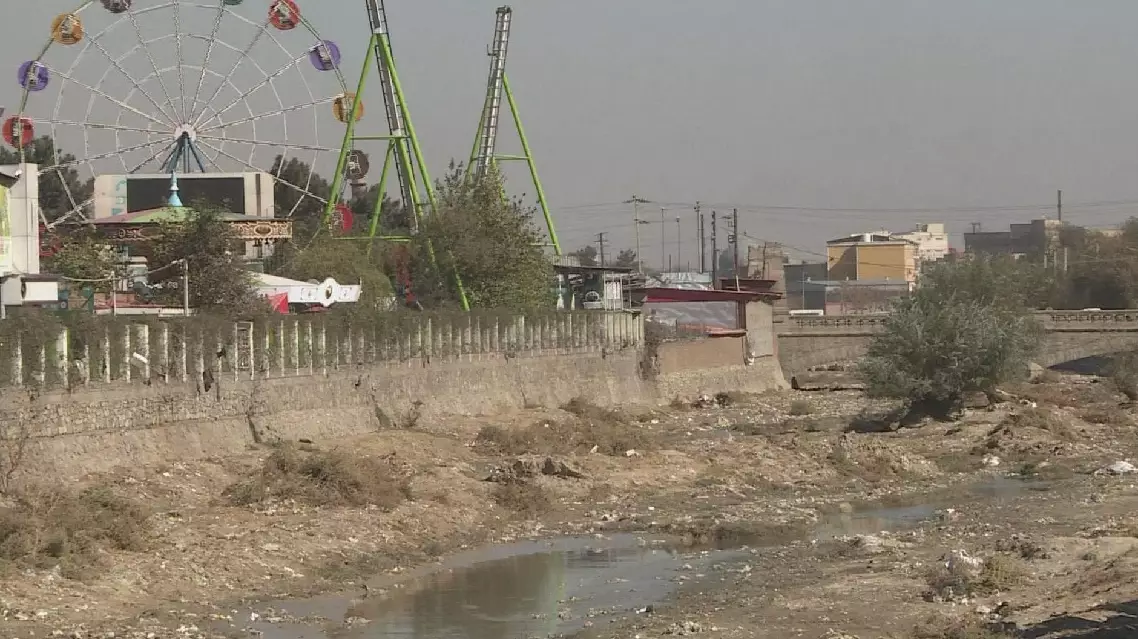
Environmental impacts of nearly 20 year War in Afghanistan linger after U.S. withdrawal
Chinese businesses said they are seeing rising sales of Mid-Autumn Festival goods boosted by demand from both domestic and international customers, with creative products that blend both classic and modern touches being most sought after.
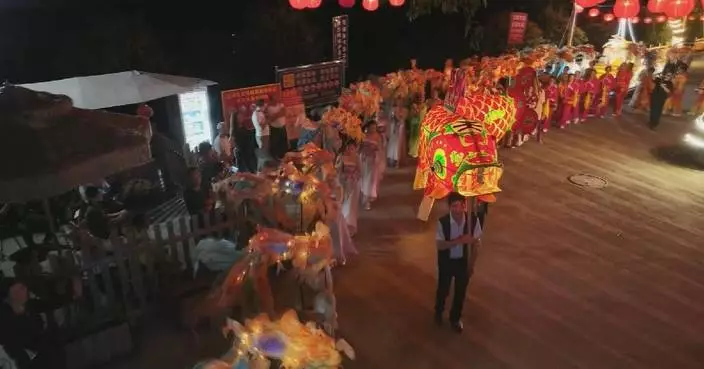
The Mid-Autumn Festival is a traditional Chinese holiday celebrated on the 15th day of the eighth month on the Chinese lunar calendar. Around China, people celebrate the day by gathering for moon-gazing, eating mooncakes, and lighting colorful lanterns. This year, the festival falls on Sept 25.
In east China's Yiwu City, Zhejiang Province, some business operators are busy sending Mid-Autumn Festival goods to international customers.
One of them is Sun Lingjuan, whose store has rolled out a set of special products, including earrings, bracelets, and necklaces to meet the rising demand.
"We informed our clients of the new products three months in advance. We received more orders for this set of products from Southeast Asian countries, such as Singapore, Thailand and Indonesia," said Sun.
Chinese lanterns with various Mid-Autumn Festival-themed patterns are also attracting increasing customers.
"We started wholesale shipments about half a month ago. Now, we are receiving growing offline orders from small buyers. We got large wholesale orders about half a month ago. We are also replenishing some of our products," said Yu Xiaoqian, a Chinese lantern seller.
In Shanghai, a novel type of mooncakes in yellow-rice-wine flavor is enjoying rising popularity among consumers.
Li Ronghua, general manager of Shanghai Liangxin Food Company Limited, said the mooncakes have seen higher-than-expected sales since they were put on the market last year, and the company is now producing over 50,000 pieces daily. Li said their products are also attracting Hong Kong customers and they have sent a batch of yellow-rice-wine flavored mooncakes to the region through cold chain.
"We decided to use five-year-old yellow rice wine for our mooncakes to produce layering flavors. Once customers get our pork mooncakes home, they can simply heat them up in an oven or air fryer and then enjoy a delicious treat," said Li.
According to the latest data, Shanghai Customs has supervised the export of over 40 tonnes of mooncakes valued at about 4 million yuan (about 600,000 U.S. dollars). They were destined for multiple countries and regions, including the United States, Australia, and Malaysia.
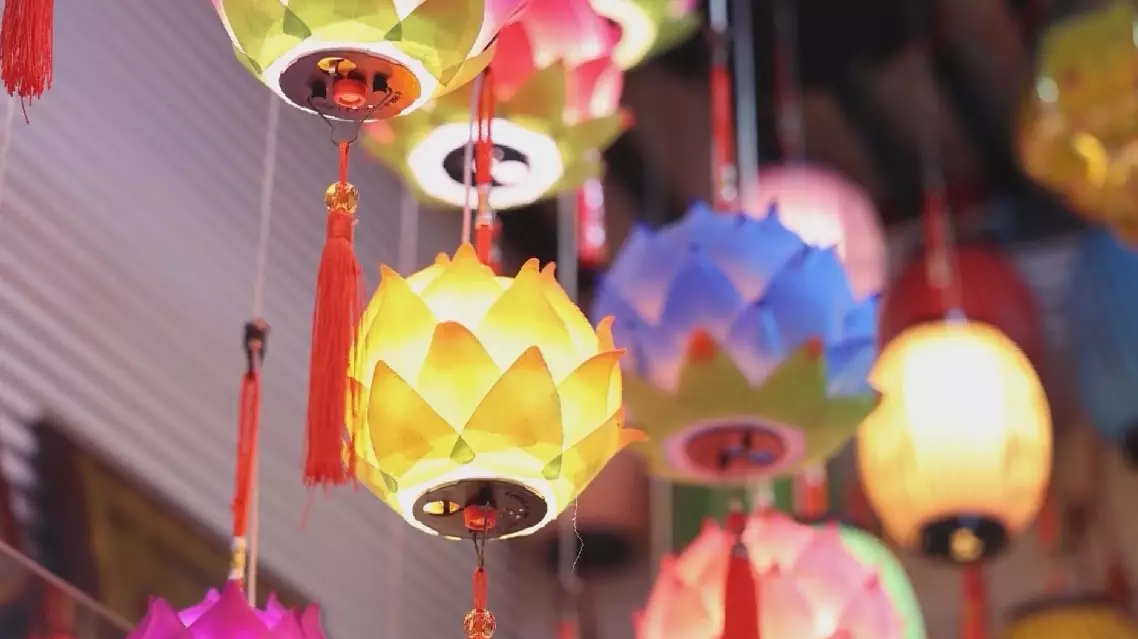
Chinese businesses see rising sales of Mid-Autumn Festival goods