Deqing County, located in east China's Zhejiang Province, has developed a successful tourism model that blends the region's natural beauty with enhanced homestay experiences, driving economic growth and rural revitalization.
In 2024, Deqing generated over 33 billion yuan (about 4.6 billion U.S. dollars) in tourism revenue, marking a seven percent annual increase. In the year, the county also received 20 million tourist visits, up 10 percent over the previous year.
In Deqing County, rural revitalization is flourishing through a unique "beauty economy" model. Workshops for making traditional attire Hanfu are empowering villagers, while high-end homestays are transforming formerly abandoned villages into thriving tourist destinations.
Shen Yan, a local entrepreneur, has turned her passion for traditional Chinese culture into a career. She opened a workshop nine years ago.
"We operate a Hanfu tailoring studio in our local community with a team of over 20 artisans, including part-time tailors. Many balance daytime careers with flexible evening and weekend shifts. This has enabled our villagers to find employment right at their doorstep," Shen said.
The idyllic, garden-like resort was built on a wasteland just 10 years ago. In the past, this area housed several pig farms, and the water here was essentially a black, foul-smelling river.
Through systematic remediation, such as relocating the farms, dredging silt and widening waterways, the restored landscape now attracts tourists seeking tranquility and natural beauty.
Shen Jiangrong, founder of Marvel Home-Stay Hotel, has played a key role in this transformation. He recognized the potential for high-end homestays in the area.
"I came back in 2014. In 2013, I began to notice that many people were calling to inquire about renting houses here. The average price for a night was over 1,000 yuan (139 U.S. dollars). But after thorough research, as a native, I knew I had to pioneer our village's first boutique home-stay. On May 1, 2015, I launched nine meticulously designed rooms priced above 1,300 yuan (181 U.S. dollars) nightly. Demand exploded. Every room stayed booked every day. Why do city dwellers come to the countryside? It's not just to enjoy rural life. We must combine activity with tranquility," he said.
"This revival is not limited to homestays. You can see that it has also boosted the development of various-sized restaurants in the entire village, countryside cafes, tent camps and water-based activities. All these diverse businesses have emerged. What has this driven? Employment in the village," Shen said.
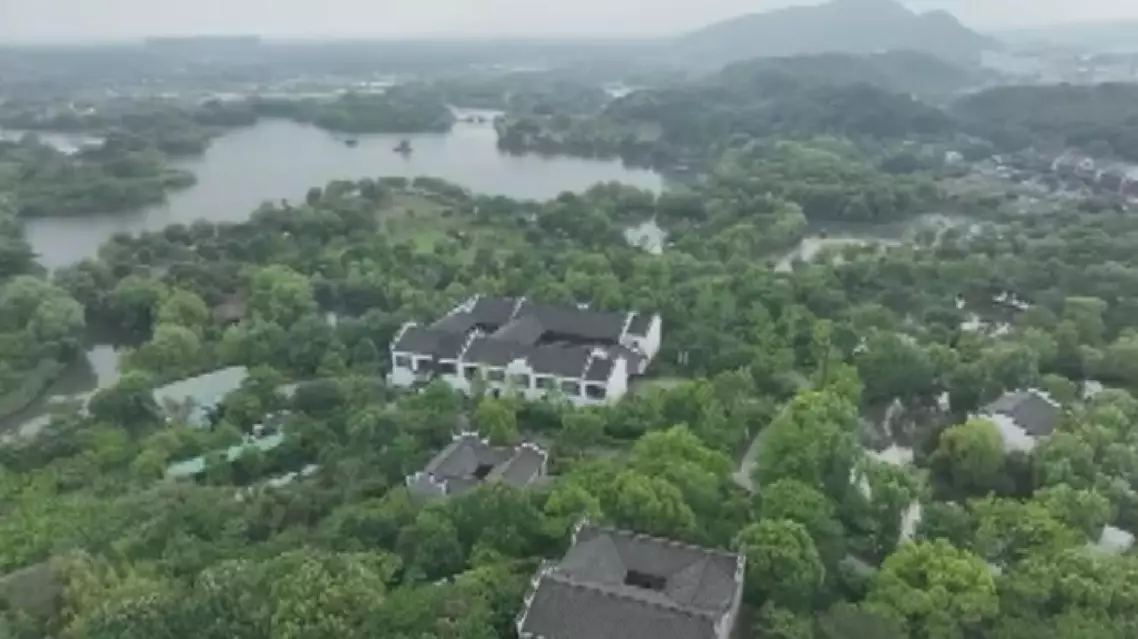
East China county's successful tourism model drives rural revitalization