Skip to Content Facebook Feature Image

China completes property rights registration for 5 national parks

China

China

China

China completes property rights registration for 5 national parks

2025-08-11 17:04 Last Updated At:23:17

China's Ministry of Natural Resources announced Monday that the country has completed property rights registration for its first five national parks, a key step in advancing ecological conservation.

The five national parks, namely the Sanjiangyuan National Park, the Giant Panda National Park, the Northeast China Tiger and Leopard National Park, the Hainan Tropical Rainforest National Park and the Wuyishan National Park, now have their ownership of various natural resource assets formally established and declared through statutory registration.

This registration defines the scope of authority for different levels of government, clarifies ownership, the oversight and responsibilities for natural resources, and strengthens property rights management in national parks.

"The registration for the first five national parks have all been completed, and now they have their own 'household registration books', which has solved problems such as unclear ownership of natural resource assets and fuzzy ownership boundaries, providing effective and strong property rights support for the construction of national parks," said Qiu Liefei, deputy director of the Natural Resources Rights Confirmation and Registration Bureau under the Ministry of Natural Resources.

National parks contain the most vital parts of China's natural ecosystems -- marked by unique landscapes, exceptional natural heritage and unparalleled biodiversity.

These five parks, established in 2021 as China's first batch of national parks, span a protected land area of 230,000 square km and are home to nearly 30 percent of the country's key terrestrial wildlife species.

Qiu said the ministry will continue to step up its efforts in the registration work of important natural resources.

"In the next step, we will basically complete the property rights registration of natural resources including newly-established national parks, international and national-level important wetlands, important rivers and lakes during the 15th Five-Year Plan period (2026-2030). We will also orderly promote the property rights registration of other natural resources such as nature reserves, national key forest areas, proven mineral resources, sea areas and uninhabited islands, and strive to achieve a total registered area of 1 million square kilometers during the period," he said.
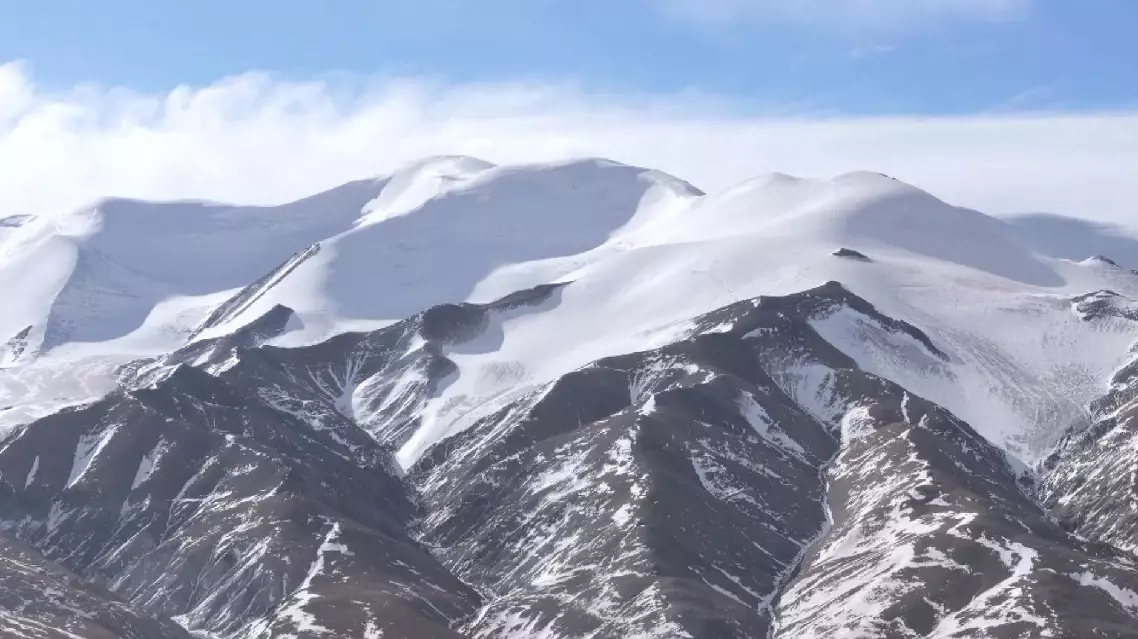
China completes property rights registration for 5 national parks
China completes property rights registration for 5 national parks
Cubans are navigating lengthening blackouts and longer lines for fueling as the United States moves to cut all oil shipments to the Caribbean country.

On Friday, the U.S. government formally announced its threat to impose tariffs on goods exported to the United States from countries that supply oil to Cuba, a move that marks a further escalation of U.S. economic blockade against the island country.

At a gas station in Havana, the line stretches nearly 700 meters, with drivers saying that they began queuing the night before in hopes of securing some gasoline.

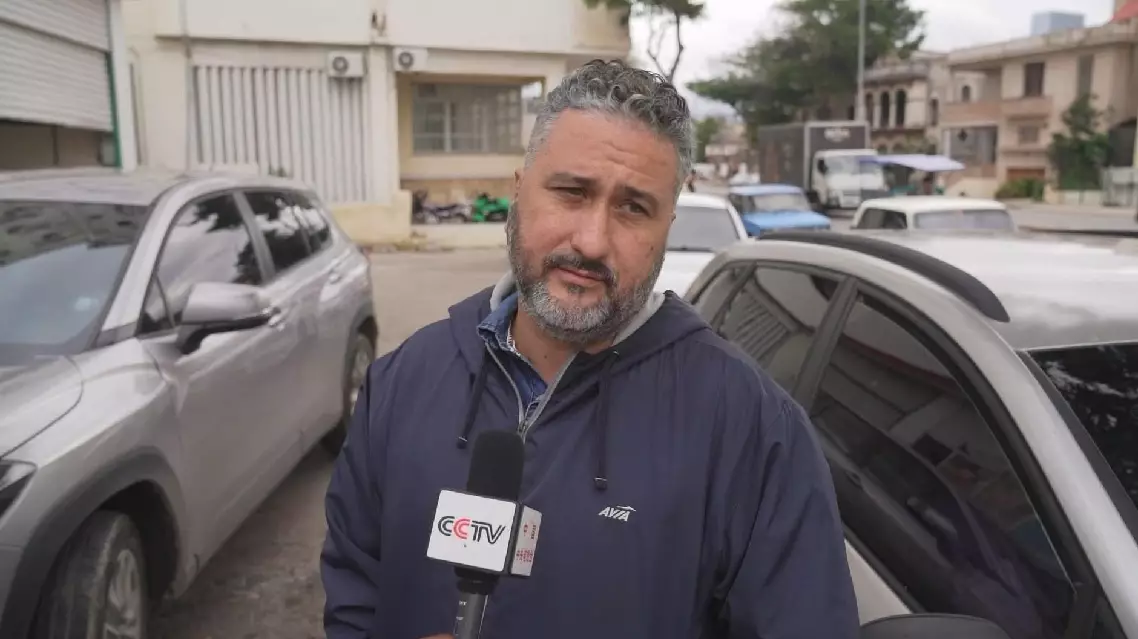
"I've been in line since last night, just to see if I can get any fuel. The line stretches through four or five blocks," said Yadier Lorenzo, a local resident.

Fuel shortage has severely affected electricity supplies nationwide. Power outages have become more frequent, which also disrupt internet access and water services, further straining daily life and economic productivity.

"Sometimes we have fuel but no electricity, or electricity but no internet. It's a complicated situation," said Cristian Caballero, another Havana resident.

"In just the past week, we've had about 26 hours of blackouts," said Fernando Blanco, a resident.

Facing the difficult time, many Cubans said they will not be defeated by the United States.

"The U.S. blockade is hurting ordinary Cubans. We can't use public transport, we generate less electricity, and fuel is vanishing. Everything is reduced. It's simply inhumane," said Mayra, a local resident.

"What the United States is doing to the Cuban people has serious consequences. They want to destroy us, children, the elderly, everyone. But we will find ways to move forward," said Evidio Aliaga, another resident.

While U.S. officials claim to support "freedom for the Cuban people," their actions have only made daily survival increasingly difficult for ordinary Cubans.

To offer relief, Mexico announced on Sunday that it will send humanitarian aid to Cuba, including food and basic supplies.

Mexican President Claudia Sheinbaum said the shipments will be handled by the Mexican navy.

Discussions on whether to include oil in the aid package are underway via diplomatic channels.

Cubans struggle with blackouts, fuel shortage amid mounting US pressure

Cubans struggle with blackouts, fuel shortage amid mounting US pressure

Recommended Articles