Multiple regions across China are increasingly transforming ecological landscapes into economic hubs, revitalizing barren lands into wine hubs, nurturing forest economies, and driving innovations in eco-agriculture and eco-tourism.
The Helan Mountain East Foothill region in northwest China's Ningxia Hui Autonomous Region, once a barren wasteland, has been revitalized into China's largest contiguous wine grape-growing area.
Benefiting from an ideal combination of latitude, altitude and terroir, the region produces up to 140 million bottles annually, accounting for half of China's total wine production.
The value of the region's wine production is expected to reach 50 billion yuan (about 6.96 billion U.S. dollars) this year.
"It's like a park nowadays. Everywhere you look, there's greenery. We make a lot more money than we used to," said Su Jinping, a farmer at a local vineyard.
In the northern foot of the Dabie Mountains in Xinyang City of central China's Henan Province, local authorities have worked to return cropland back to forests, raising the area's forest coverage from 50 percent to 70 percent.
This increase in forestland has attracted more birds, giving rise to a unique "birdwatching economy" that has boosted the annual per capita income of local villagers by over 20,000 yuan.
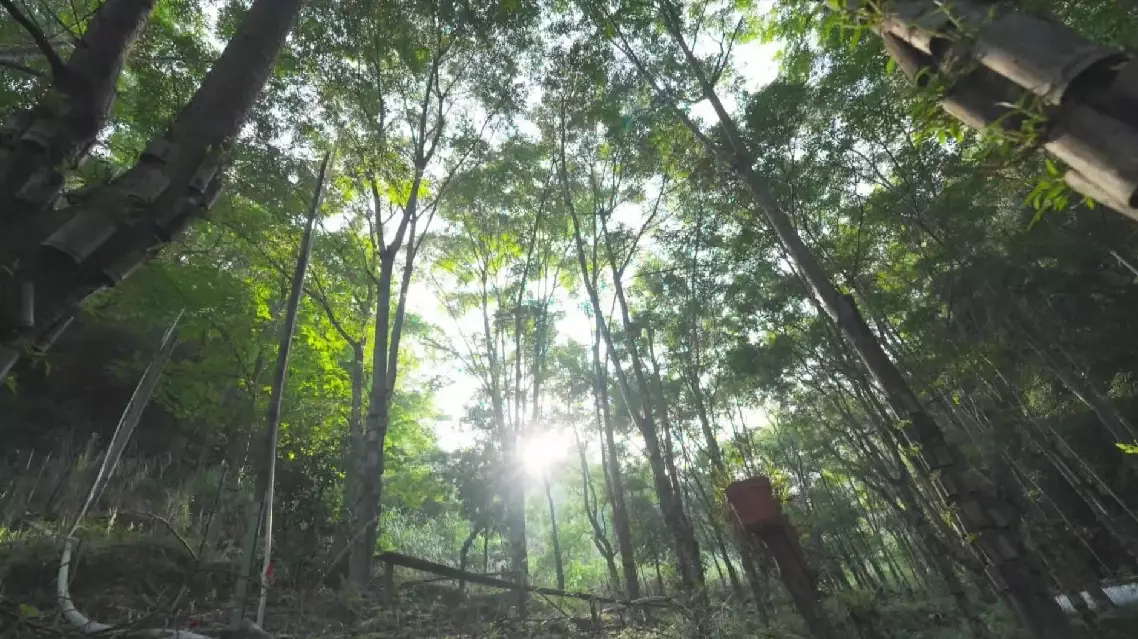
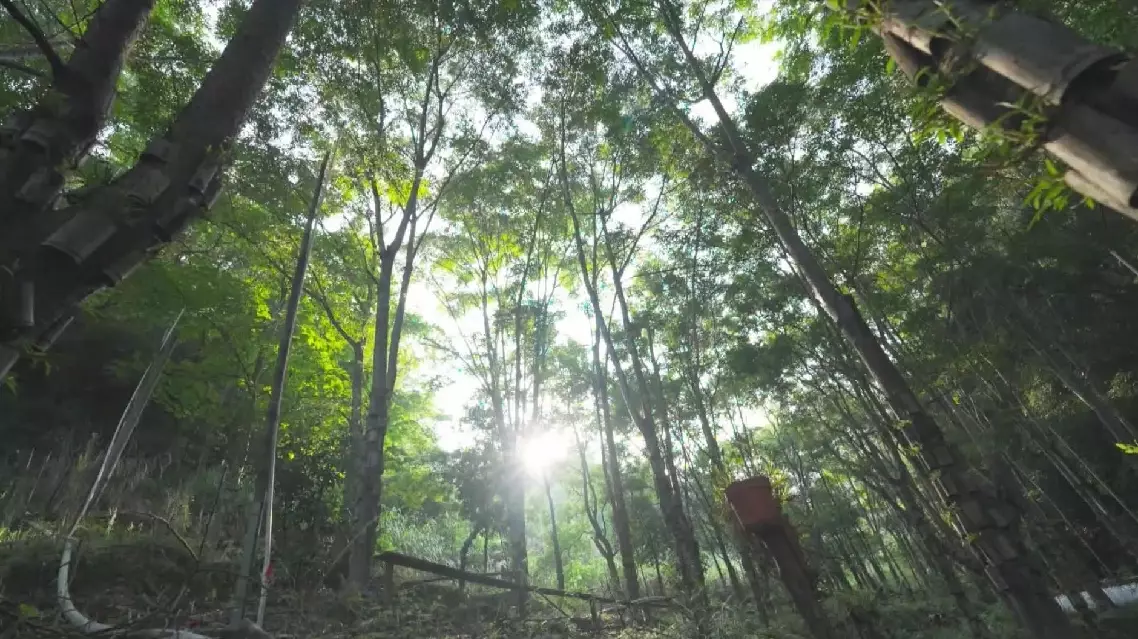
Sanming City of east China's Fujian Province has been cultivating forests for economic purposes, growing wild medicinal herbs and vegetables in the forest, which can generate an annual output value exceeding 100 million yuan.
China transforms ecological landscapes into economic hubs

China transforms ecological landscapes into economic hubs
China transforms ecological landscapes into economic hubs