Inclusion of etomidate under voluntary testing of Healthy School Programme
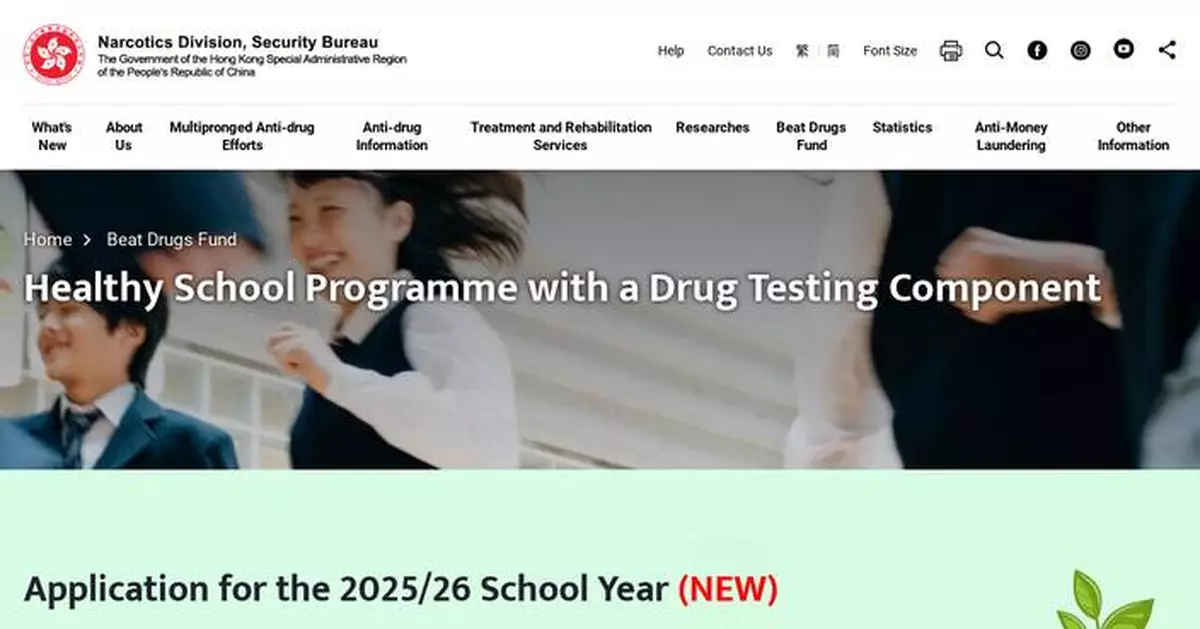
The Narcotics Division (ND)of the Security Bureau today (August 12) said that it has written to schools to confirm the inclusion of etomidate in the voluntary drug testing under the Healthy School Programme in the 2025/26 school year.
The ND today met with non-governmental organisations responsible for administering the drug tests to work out the details of etomidate testing under the Healthy School Programme. The procedures for etomidate testing will follow that of other drugs - participating schools may opt for rapid urine tests or hair tests under the current testing procedures, and testing will only be conducted after receiving a student's consent. Personal data collected during the voluntary testing are protected under the Personal Data (Privacy) Ordinance (Cap. 486). The testing procedures and implementation details can be found in the updated "Reference Protocol for the School Drug Testing Scheme" (www.nd.gov.hk/en/HSP.html).
The Healthy School Programme, supported by the Beat Drugs Fund, is a school-based anti-drug education initiative. The Programme is divided into two parts, including diversified personal growth activities and voluntary school drug testing by students. It aims to enhance students' resolve to stay away from drugs, establish a drug-free culture in schools, and encourage those in need to seek help. Currently, more than half of Hong Kong's secondary schools participate in the Programme. Apart from etomidate, the voluntary school testing covers drugs including ketamine, ecstasy, methylamphetamine, cannabis, and cocaine. The Programme incorporates comprehensive downstream support programmes, which include counselling, treatment, rehabilitation and referral services to handle and follow up on relevant cases.
The ND will continue to closely communicate with schools and testing teams of non-governmental organisations and review the operation of the Healthy School Programme from time to time in response to prevailing drug trends. For enquiries about the Programme, the ND can be reached by phone at 2867 5974/2867 5975/2867 5976 or by email at sb-hspdt@sb.gov.hk.
Source: AI-found images
Hong Kong Customs detects two drug trafficking cases involving passengers at airport
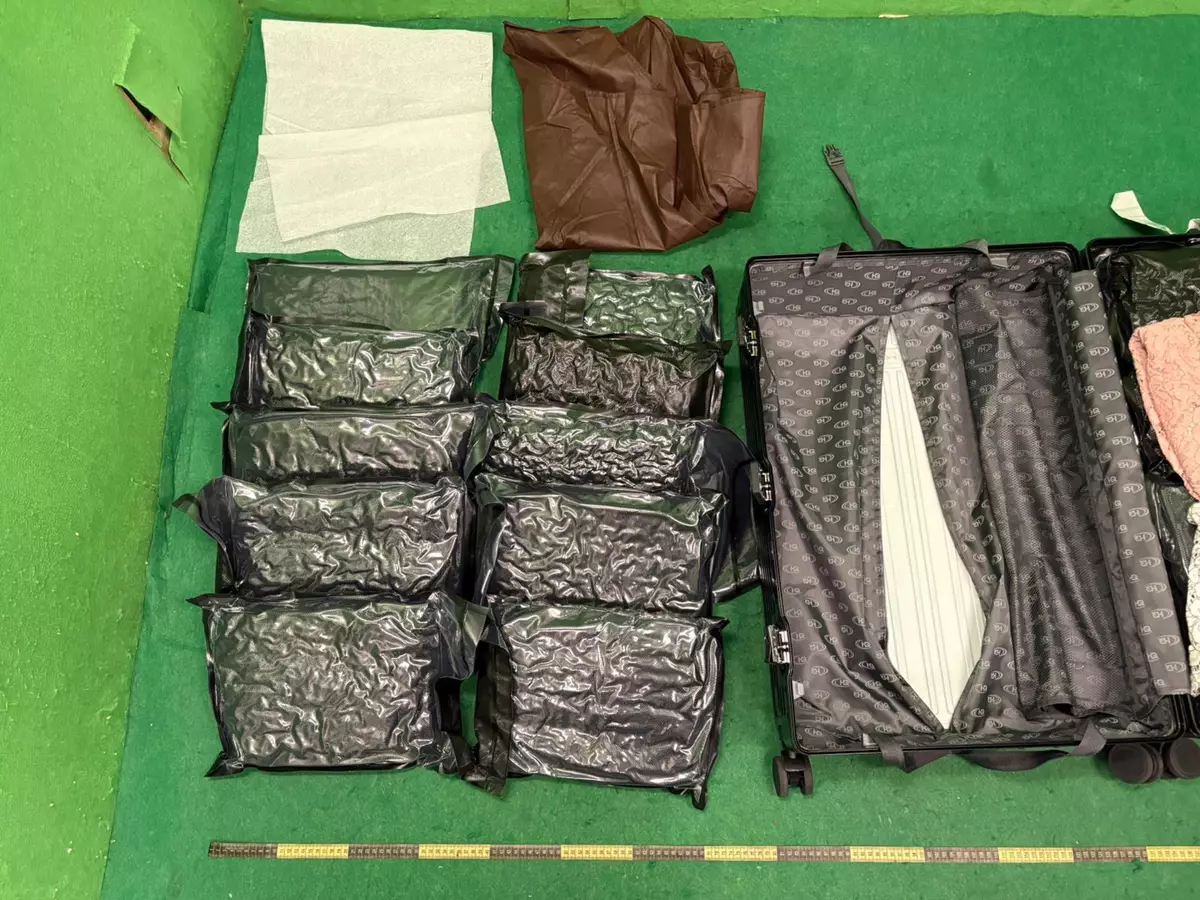
Hong Kong Customs today (May 26) detected two drug trafficking cases involving passengers at Hong Kong International Airport and seized about 11 kilograms of suspected cannabis buds and 18kg of suspected ketamine, with a total estimated market value of about $8.85 million. Two men were arrested.
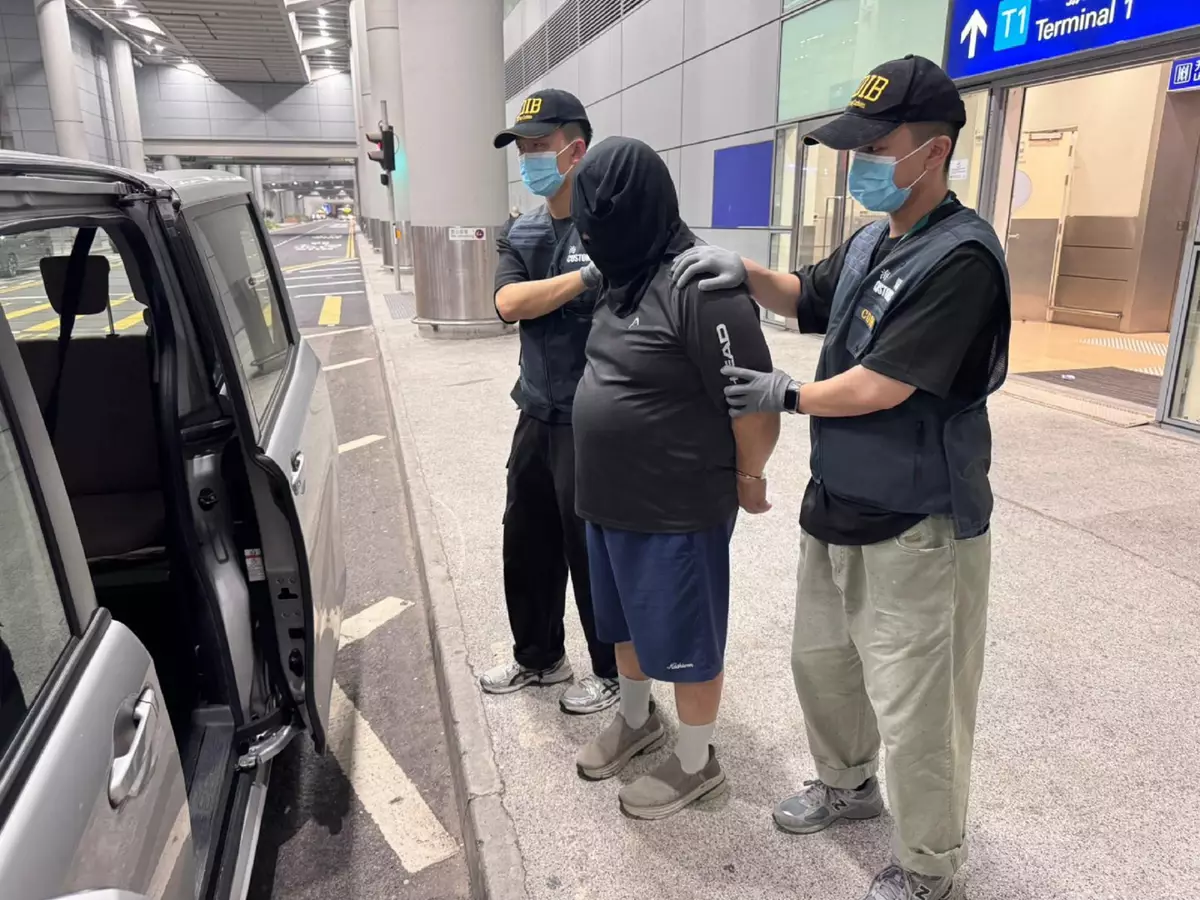
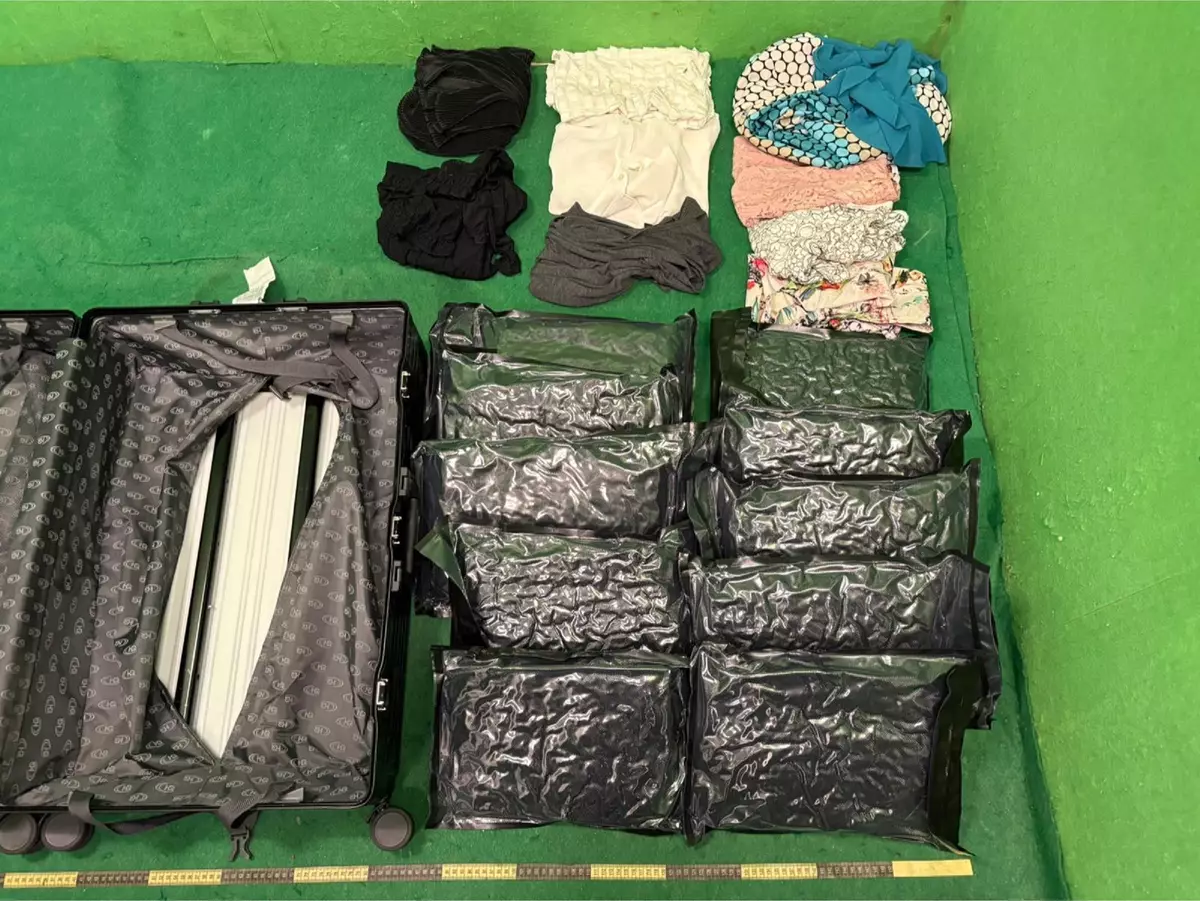
The first case involved a 62-year-old male passenger arriving in Hong Kong from Bangkok, Thailand, today. During customs clearance, Customs officers found about 11kg of suspected cannabis buds, with an estimated market of about $2 million, inside his check-in baggage. The man was subsequently arrested.
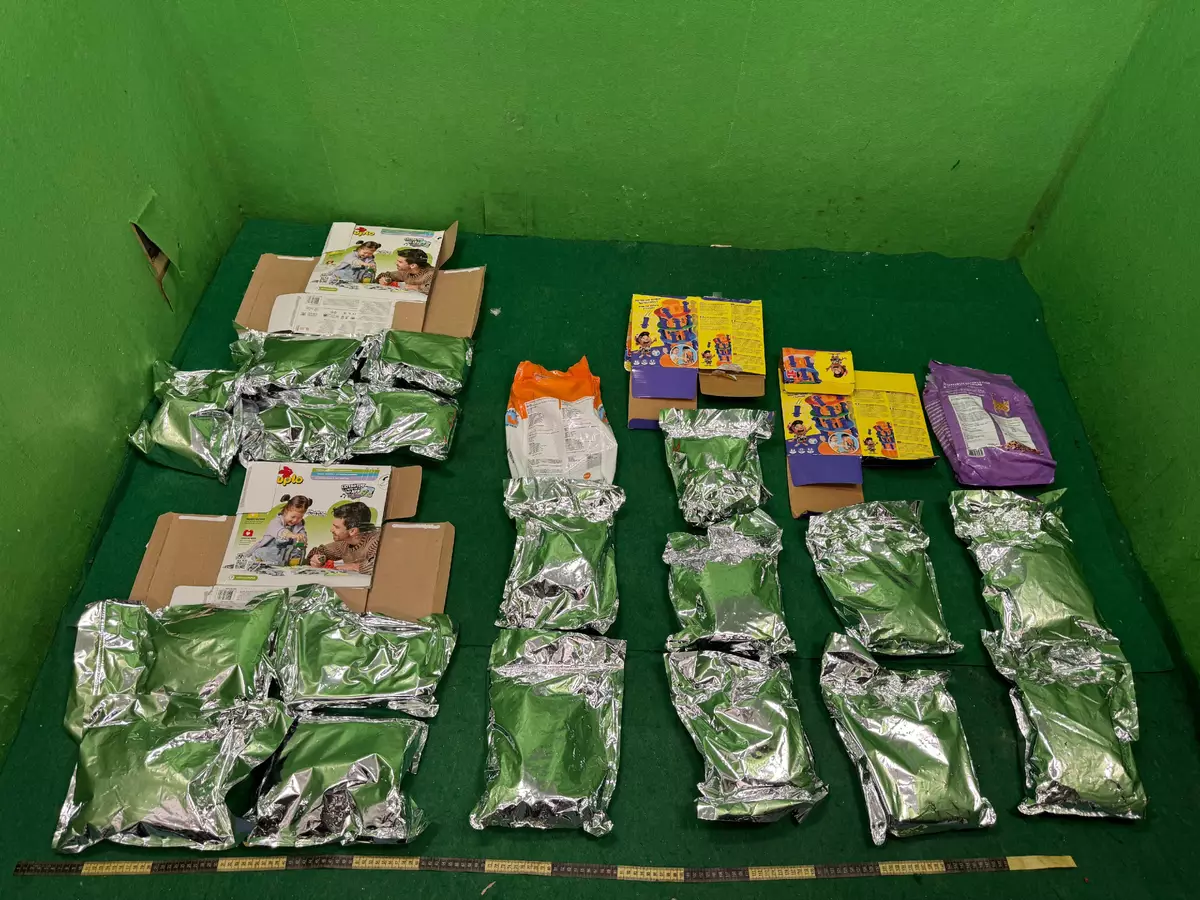
The second case involved a 58-year-old male passenger arriving in Hong Kong from Paris, France, today. During customs clearance, Customs officers found about 18kg of suspected ketamine, with an estimated market of about $6.85 million, inside his check-in baggage. The man was subsequently arrested.
The arrested person in the first case has been charged with one count of trafficking in a dangerous drug and the case will be brought up at the West Kowloon Magistrates' Courts tomorrow (May 27). For the second case, an investigation is ongoing.
Customs will continue to step up enforcement against drug trafficking activities through intelligence analysis. The department also reminds members of the public to stay alert and not participate in drug trafficking activities for monetary return. They must not accept hiring or delegation from another party to carry controlled items into and out of Hong Kong. They are also reminded not to carry unknown items for other people.
Customs will continue to apply a risk assessment approach and focus on selecting passengers from high-risk regions for clearance to combat transnational drug trafficking activities.
Under the Dangerous Drugs Ordinance, trafficking in a dangerous drug is a serious offence. The maximum penalty upon conviction is a fine of $5 million and life imprisonment.
Members of the public may report any suspected drug trafficking activities to Customs' 24-hour hotline 182 8080 or its dedicated crime-reporting email account(crimereport@customs.gov.hk) or online form (eform.cefs.gov.hk/form/ced002).
Hong Kong Customs detects two drug trafficking cases involving passengers at airport Source: HKSAR Government Press Releases
Hong Kong Customs detects two drug trafficking cases involving passengers at airport Source: HKSAR Government Press Releases
Hong Kong Customs detects two drug trafficking cases involving passengers at airport Source: HKSAR Government Press Releases
Hong Kong Customs detects two drug trafficking cases involving passengers at airport Source: HKSAR Government Press Releases