WASHINGTON (AP) — The Trump administration on Tuesday released human rights reports for countries worldwide, which eliminate mentions of discrimination faced by LGBTQ people, reduce a previous focus on reproductive rights and criticize restrictions on political speech by U.S. allies in Europe that American officials believe target right-wing politicians.
The reports, which cover 2024 before President Donald Trump took office, reflect his administration’s focus on free speech and protecting the lives of the unborn. However, the reports also offer a glimpse into the administration’s view of dire human rights conditions in some countries that have agreed to accept migrants deported from the United States under Trump's immigration crackdown.
“This year’s reports were streamlined for better utility and accessibility in the field and by partners,” the State Department said.
The congressionally mandated reports in the past have been frequently used for reference and cited by lawmakers, policymakers, academic researchers and others investigating potential asylum claims or looking into conditions in specific countries.
The reports had been due to be released in March. The State Department said in an overview that the delay occurred because the Trump administration decided in March to “adjust” the reports, which had been compiled during the Biden administration. Among other deletions, the reports do not include accounts from individual abuse survivors or witnesses.
“Frequently, eyewitnesses are intimidated or prevented from reporting what they know,” the overview said. “On the other hand, individuals and groups opposed to a government may have incentive to exaggerate or fabricate abuses. In similar fashion, some governments may distort or exaggerate abuses attributed to opposition groups.”
Human rights groups decried the changes in focus and omissions of certain categories of discrimination and potential abuse.
“With the release of the U.S. State Department’s human rights report, it is clear that the Trump Administration has engaged in a very selective documentation of human rights abuses in certain countries,” Amnesty International said in a statement.
“In addition to eliminating entire sections for certain countries – for example discrimination against LGBTQ+ people – there are also arbitrary omissions within existing sections of the report based on the country,” it said.
The reports do follow previous practices in criticizing widespread human rights abuses in China, Iran, North Korea and Russia.
Although such deportations did not begin until after Trump took office, the reports, with one notable exception, detail general poor human rights conditions in many of the countries that have agreed to accept migrants, even if they are not citizens of that nation.
The exception is El Salvador, which was the first of several countries in Latin America and Africa to agree to accept non-citizen migrant deportees from the U.S. Despite claims from rights advocates to the contrary, the report about the country says “there were no credible reports of significant human rights abuses” in El Salvador in 2024 and that “the government took credible steps to identify and punish officials who committed human rights abuses.”
Human rights groups have accused authorities of abuses, including at a notorious prison where many migrants are sent.
However, for Eswatini — a small country in Africa formerly known as Swaziland — South Sudan and Rwanda, the reports paint a grimmer picture. All have agreed to accept third-country deportees from the United States.
In all three countries, the reports noted “significant human rights issues included credible reports of arbitrary or unlawful killings, torture and cruel, inhuman, or degrading treatment or punishment … serious restrictions on freedom of expression and media freedom, prohibiting independent trade unions or significant or systematic restrictions on workers’ freedom of association.”
Those governments “did not take credible steps or action to identify and punish officials who committed human rights abuses,” the reports said.
South Africa was also singled out for its human rights situation “significantly worsening.” The report pointed to unfair treatment of white Afrikaners following the signing of major land reforms that the Trump administration has said discriminate against that minority, which ran the country’s apartheid government.
That system brutally enforced racial segregation, which oppressed the Black majority, for 50 years before ending in 1994.
With the signing of that law in December, the report said that “South Africa took a substantially worrying step towards land expropriation of Afrikaners and further abuses against racial minorities in the country.”
It also said the government “did not take credible steps to investigate, prosecute and punish officials who committed human rights abuses, including inflammatory racial rhetoric against Afrikaners and other racial minorities, or violence against racial minorities.”
This year, the administration admitted as refugees some groups of white Afrikaners.
The reports take issue with what the Trump administration believes are restrictions on free speech imposed against generally right-wing voices in the United Kingdom, France and Germany. The reports use identical language to say that human rights conditions in each of the three NATO allies “worsened during the year.”
The executive summaries for each of the three reports say “significant human rights issues included credible reports of serious restrictions on freedom of expression, including enforcement of or threat of criminal or civil laws in order to limit expression; and crimes, violence, or threats of violence motivated by antisemitism.”
These governments have rejected such assertions that have been made by senior U.S. officials, including Trump, Vice President JD Vance and Secretary of State Marco Rubio.
Similar freedom-of-speech issues were raised in Brazil, which has more recently provoked Trump’s ire by prosecuting his ally — former right-wing President Jair Bolsonaro — and led to the imposition of massive U.S. tariffs and sanctions against Brazil’s Supreme Court chief justice.
“The human rights situation in Brazil declined during the year,” the report said. “The courts took broad and disproportionate action to undermine freedom of speech and internet freedom by blocking millions of users’ access to information on a major social media platform in response to a case of harassment.”
It added that the government “undermined democratic debate by restricting access to online content deemed to undermine democracy” and specifically mentioned suppressing the speech of Bolsonaro and his supporters.
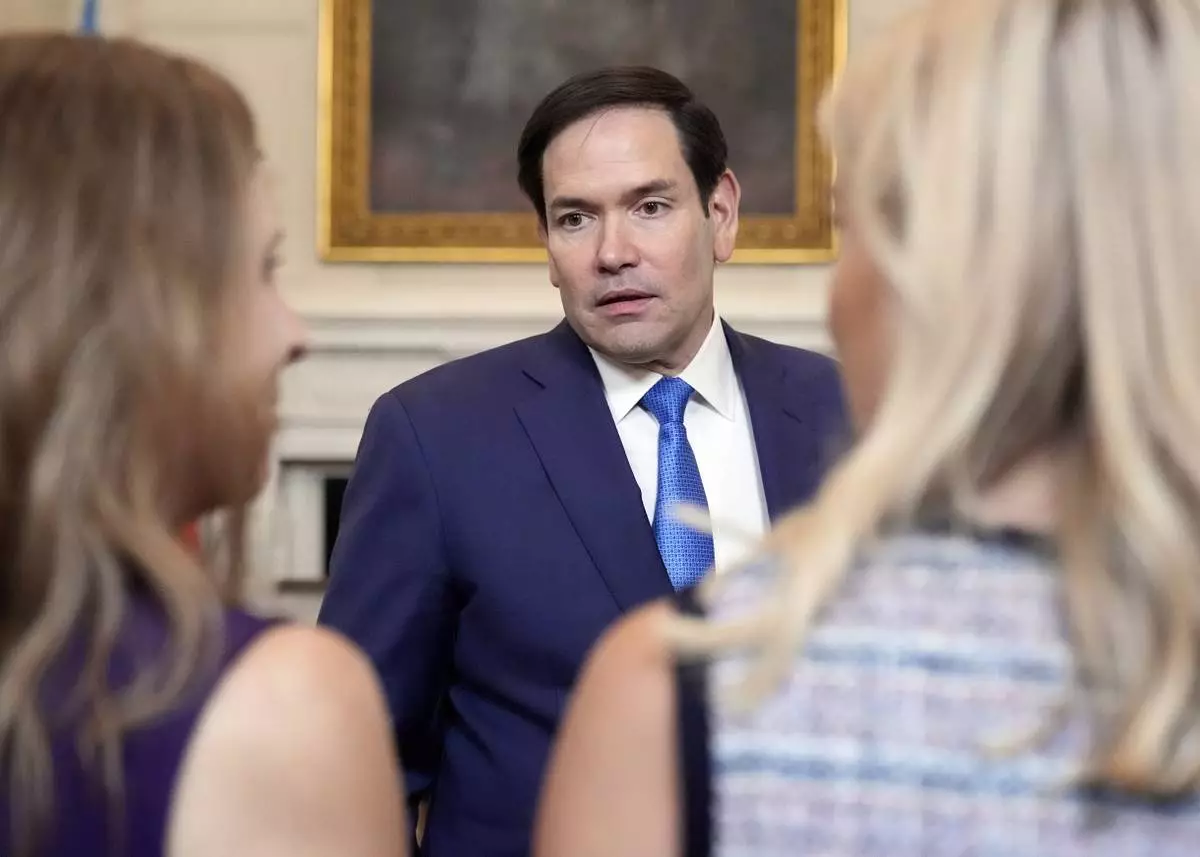
Secretary of State Marco Rubio arrives before a trilateral signing with Azerbaijan's President Ilham Aliyev and Armenia's Prime Minister Nikol Pashinyan in the State Dining Room of the White House, Friday, Aug. 8, 2025, in Washington. (AP Photo/Mark Schiefelbein)
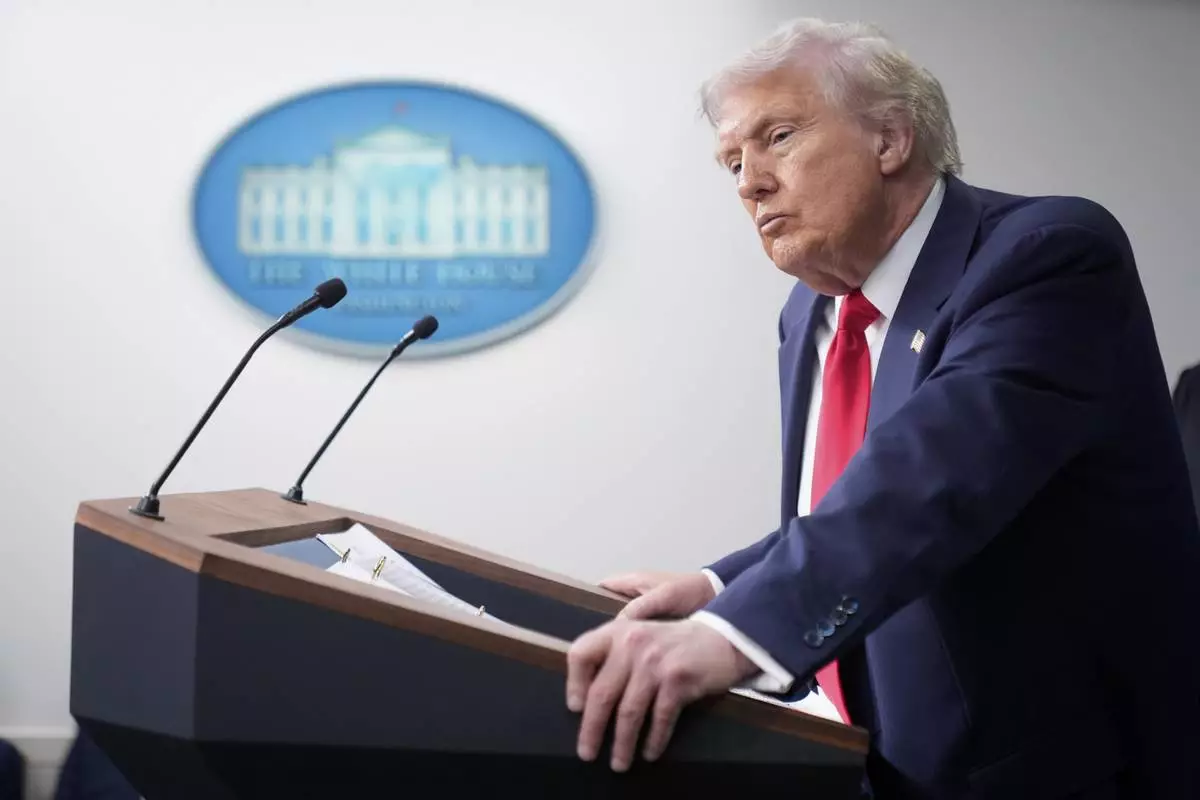
President Donald Trump listens to a question from a reporter in the James Brady Press Briefing Room at the White House, Monday, Aug. 11, 2025, in Washington. (AP Photo/Mark Schiefelbein)