The U.S. dollar fell in late trading on Friday.
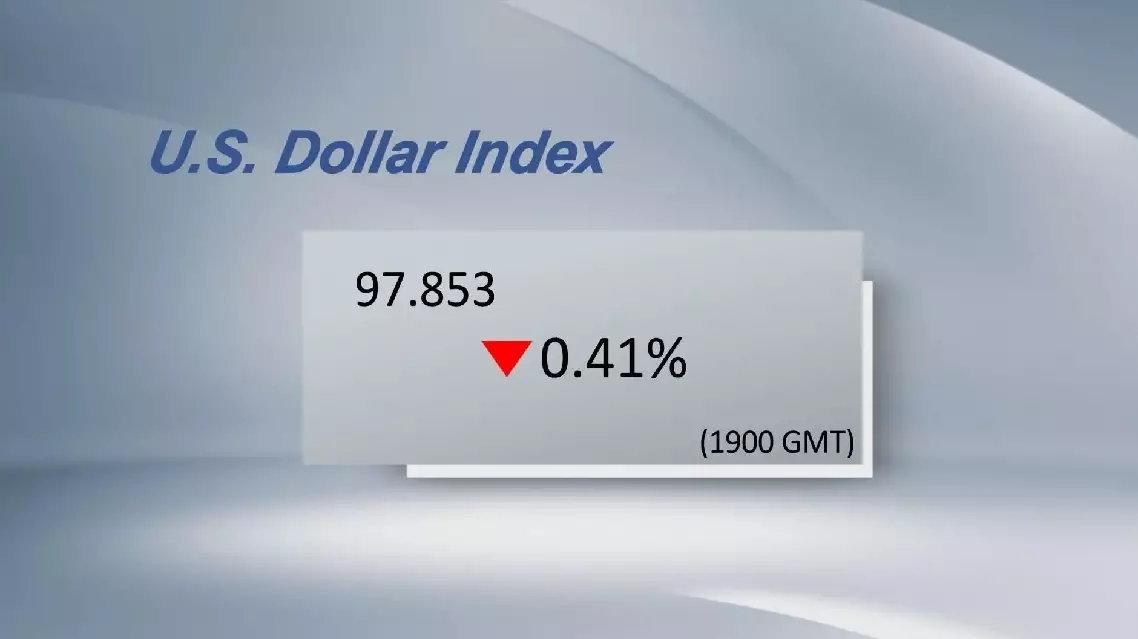
The dollar index, which measures the greenback against six major peers, dropped 0.41 percent to 97.853 at 1900 GMT.
In late New York trading, the euro advanced to 1.1703 dollars from 1.1642 dollars in the previous session, and the British pound rose to 1.3554 dollars from 1.3533 dollars in the previous session.
The U.S. dollar bought 147.21 Japanese yen, lower than 147.88 Japanese yen of the previous session. The U.S. dollar was down to 0.8062 Swiss francs from 0.8085 Swiss francs, and it decreased to 1.3813 Canadian dollars from 1.3814 Canadian dollars. The U.S. dollar lost to 9.5524 Swedish kronor from 9.5888 Swedish kronor.
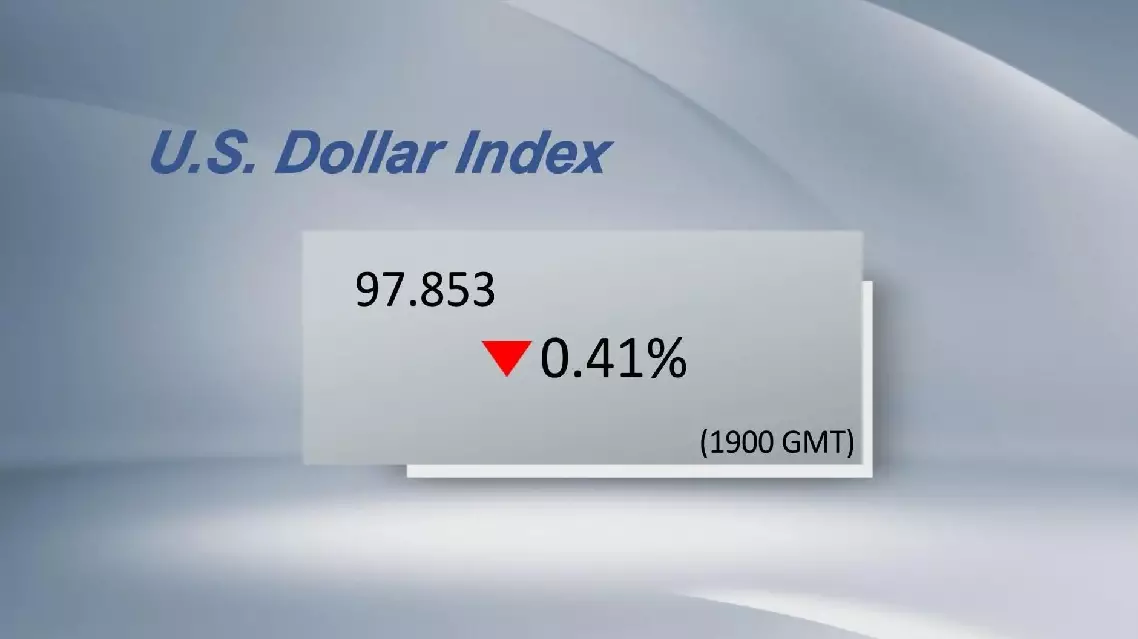
U.S. dollar ticks down
U.S. dollar ticks down
China's outstanding aggregate social financing -- the total amount of financing to the real economy -- reached 442.12 trillion yuan (about 63.4 trillion U.S. dollars) as of the end of 2025, up 8.3 percent year on year, central bank data showed on Thursday.
The country's aggregate social financing stood at 35.6 trillion yuan (about 5.1 trillion U.S. dollars) in 2025, up by 3.34 trillion yuan (about 479 billion U.S. dollars) from the year 2024, said the People's Bank of China (PBOC), the country's central bank.
According to the data, the M2, a broad measure of money supply that covers cash in circulation and all deposits, increased 8.5 percent year on year to 340.29 trillion yuan (about 48.8 trillion U.S. dollars) as of the end of December.
In addition, outstanding yuan loans stood at 271.91 trillion yuan (about 39 trillion U.S. dollars) at the end of 2025, up 6.4 percent year on year.

China's aggregate social financing maintains high growth in 2025